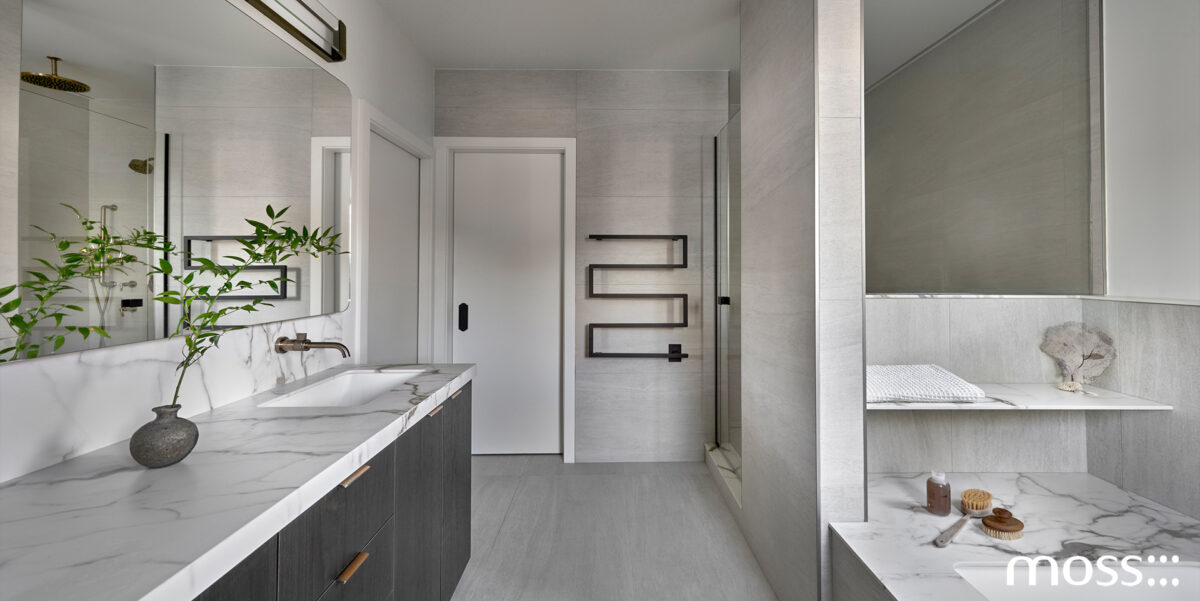
Chicago has always been a city where architecture matters. From iconic skyscrapers to carefully crafted residential neighborhoods, design here is expected to be thoughtful, functional, and enduring.
In recent years, more clients have begun to seek out interior architects in Chicago. These professionals seamlessly blend architectural thinking with interior design expertise. This integrated approach creates spaces that feel cohesive from the building envelope all the way to the smallest interior detail.
At moss Design, we believe the most successful projects happen when architecture and interiors are developed together. Whether you’re planning a custom home, renovating a commercial space, or reimagining an existing building, understanding how Chicago architects and interior designers can work as one is key to achieving lasting value.
What Is an Interior Architect?
An interior architect goes beyond decoration or surface-level styling. While traditional interior design often focuses on finishes, furnishings, and aesthetics, interior architecture addresses how interior spaces are structured, organized, and experienced.
At moss Design, we provide complete interior design architecture services covering every detail, from cabinets, lighting, plumbing, and fixtures to appliances, tiles, fabrics, and furniture.
Interior architects also typically work on:
- Space planning and circulation
- Structural coordination with walls, ceilings, and openings
- Integration of building systems (lighting, HVAC, acoustics)
- Material selection tied to durability and performance
- Code compliance and life-safety considerations
In a city like Chicago, where many projects involve historic buildings, tight urban sites, or adaptive reuse, this architectural mindset is especially valuable. Interior architects understand how interiors must respond to the larger building context while still meeting modern lifestyle and business needs.
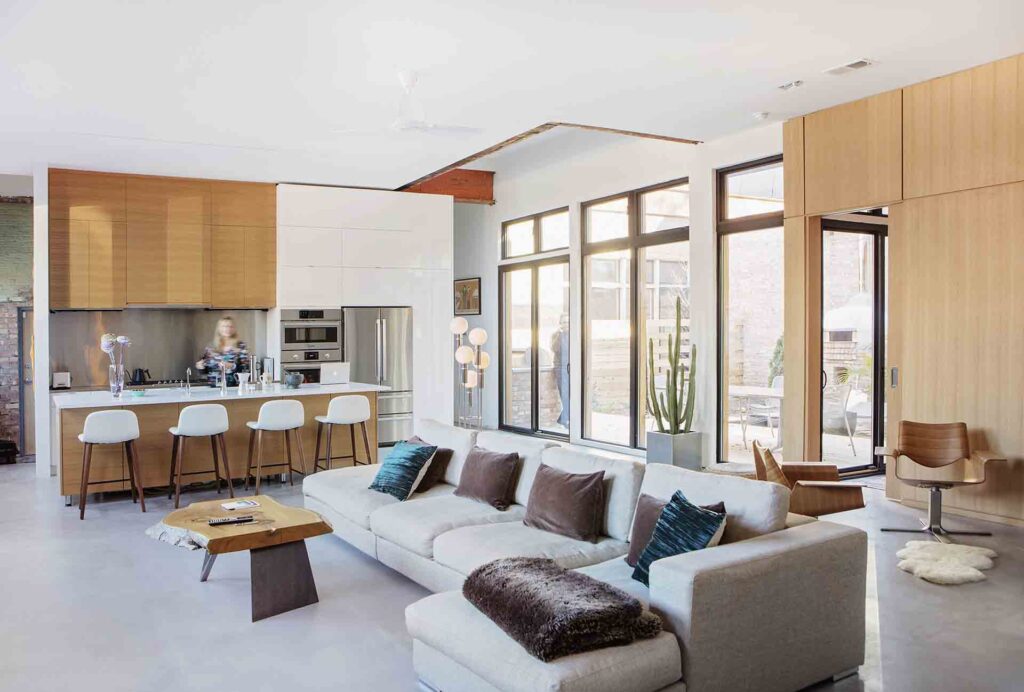

Why Chicago Clients Are Choosing Integrated Design Services
More clients today are looking for Chicago architects and building designers who can manage both architecture and interiors under one roof. This integrated model offers several advantages, particularly in a complex urban environment.
1. Cohesive Design from Day One
When architecture and interiors are developed together, design decisions reinforce one another. Window placement influences furniture layouts. Structural grids inform lighting plans. Material palettes feel intentional rather than layered on later.
2. Fewer Gaps, Fewer Surprises
Separate teams can sometimes lead to misalignment, drawings that don’t quite match, or design intent that gets lost during handoffs. Integrated teams reduce these gaps, resulting in smoother construction and fewer costly revisions.
3. Efficient Project Timelines
With one coordinated team, decisions happen faster. This efficiency can be critical in Chicago, where permitting, zoning, and construction schedules already demand careful management.
Why Integrated Architecture and Interior Design Services Matter
Clients seeking interior design services increasingly want one unified team rather than separate architects and interior designers. Integrated architecture and interior design services offer significant advantages throughout the design and construction process.
A Unified Vision
When architecture and interiors are designed together, every decision supports a cohesive concept. Structural grids align with furniture layouts. Window placement enhances daylight and interior ambiance. Materials flow seamlessly from exterior to interior.
Fewer Conflicts During Construction
Disjointed teams can lead to mismatched drawings or unclear responsibilities. Integrated firms reduce coordination errors, helping contractors build more efficiently and accurately.
Better Budget and Schedule Control
With one team overseeing both architecture and interior design, decisions are made faster and with greater awareness of cost and constructability, an important benefit in Chicago’s complex construction environment.
What Do Interior Architects in Chicago Do?
Interior architects bridge the gap between traditional architecture and interior design. While interior designers often focus on finishes, furnishings, and aesthetics, interior architects are trained to address spatial planning, structural coordination, and building systems, while still maintaining a refined design sensibility.
Typical responsibilities of interior architects include:
- Interior space planning and layout optimization
- Coordination of walls, ceilings, stairs, and openings
- Integration of lighting, HVAC, and acoustic systems
- Material selection based on performance and longevity
- Code compliance and life-safety planning
In a dense, design-forward city like Chicago, interior architecture is especially valuable. Many projects involve renovations, historic buildings, or constrained urban sites, where interior decisions must respond directly to existing architectural conditions. This is where architects and building designers with interior expertise truly excel.

The Role of Interior Architects in Residential Projects
For homeowners, working with interior architects in Chicago means every square foot is thoughtfully considered. This is especially important in urban homes, condos, and townhouses where space is often limited.
Interior architects help residential clients by:
- Reconfiguring layouts to improve flow and daylight
- Designing custom millwork that maximizes storage
- Coordinating finishes with structural and envelope decisions
- Ensuring renovations meet Chicago building codes
Rather than treating interiors as an afterthought, this approach creates homes that feel intentional, calm, and timeless.
Commercial and Workplace Interiors: Architecture From the Inside Out
In commercial settings, the line between architecture and interiors becomes even more blurred. Offices, retail spaces, and hospitality projects rely on interior architecture to shape brand experience, employee well-being, and operational efficiency.
Interior architects working on commercial projects consider:
- How circulation supports workflow and customer experience
- Acoustic performance in open-plan environments
- Durable materials suited to high-traffic use
- Flexibility for future growth or change
For those investing in interior design services in Chicago, this architectural approach ensures spaces are not only visually compelling but also highly functional and adaptable over time.
Adaptive Reuse and Historic Buildings in Chicago
Chicago’s architectural legacy is one of its greatest assets, and one of its biggest challenges. Many projects involve renovating historic structures or adapting older buildings for new uses. Interior architects are uniquely suited to this work.
They understand how to:
- Respect historic fabric while introducing modern systems
- Navigate preservation guidelines and approvals
- Insert new programs into existing structural frameworks
- Balance old and new through material and detail choices
This sensitivity is crucial when working within Chicago’s diverse building stock, from early 20th-century masonry buildings to mid-century modern landmarks.
Interior Design Services Chicago: More Than Decoration
While interior architecture focuses on structure and space, Chicago interior design plays an equally important role. When combined, these disciplines create environments that are both technically sound and emotionally resonant.
Interior design services may include:
- Finish and material selection
- Furniture, lighting, and textile specification
- Color and texture coordination
- Art and accessory curation
When interior designers and architects collaborate closely, or operate as one integrated team, clients benefit from a holistic vision. The result is a space that feels complete, rather than assembled from disconnected parts.
Sustainability and Performance in Interior Architecture
Sustainability is increasingly central to architectural practice in Chicago. Interior architects contribute by making choices that improve building performance and reduce environmental impact.
Key strategies include:
- Selecting low-VOC and responsibly sourced materials
- Designing for daylight to reduce energy use
- Creating flexible spaces that extend a building’s lifespan
- Prioritizing durability over short-term trends
This approach aligns with Chicago’s broader commitment to sustainable design and helps clients invest in spaces that will age gracefully.
Choosing the Right Interior Architect in Chicago
Not all design firms approach interiors the same way. When evaluating potential partners, clients should look for teams that demonstrate both architectural rigor and interior design sensitivity.
Questions to consider include:
- Does the firm offer integrated architecture and interior services?
- Do their past projects show cohesive design throughout?
- How do they collaborate with consultants and contractors?
- Are they experienced with Chicago-specific codes and conditions?
Working with experienced Chicago architects who understand the city’s regulatory and cultural context can make a significant difference in project outcomes.
Architecture and Interiors Designed Together
As Chicago architecture continues to evolve, so does our thinking about design. The growing demand for interior architects reflects a broader shift toward integration, efficiency, and long-term value. When architecture and interiors are conceived together, spaces feel more natural, more functional, and more enduring.
At moss Design, we see interior architecture as an opportunity to elevate everyday environments: homes, workplaces, and shared spaces alike. By blending architectural expertise with thoughtful interior design services, we help clients create spaces that are both beautiful and deeply practical.
Whether you’re planning a new build, a renovation, or an adaptive reuse project, partnering with interior architects in Chicago can ensure your space is designed with clarity, purpose, and care inside and out.

Frequently Asked Questions
What is the difference between an interior architect and an interior designer?
An interior architect focuses on space planning, structure, building systems, and code compliance, while an interior designer typically concentrates on finishes, furnishings, and aesthetics. Interior architects in Chicago bridge architecture and interior design to create cohesive, fully integrated spaces.
Why are clients choosing interior architects in Chicago instead of separate design teams?
Clients choose interior architects in Chicago because integrated architecture and interior design services reduce coordination issues, improve efficiency, and create more cohesive results. Having one unified team also helps control budgets, timelines, and design intent throughout construction.
What services do interior architects in Chicago typically provide?
Interior architects handle space planning, structural coordination, building systems integration, material selection, and life-safety compliance. Many Chicago architects with interior expertise also provide full interior design services, from custom millwork to lighting and furniture selection.
How do interior architects support residential projects in Chicago?
For residential projects, interior architects optimize layouts, improve flow and daylight, and design custom solutions that respond to tight urban footprints. This approach ensures homes feel intentional, functional, and aligned with Chicago’s building codes and architectural context.
When should you hire an interior architect instead of a traditional architect or designer?
You should consider hiring an interior architect when your project involves renovations, adaptive reuse, or complex interior reconfiguration. Architects and building designers with interior architecture expertise are especially valuable in Chicago’s historic buildings and dense urban environments.