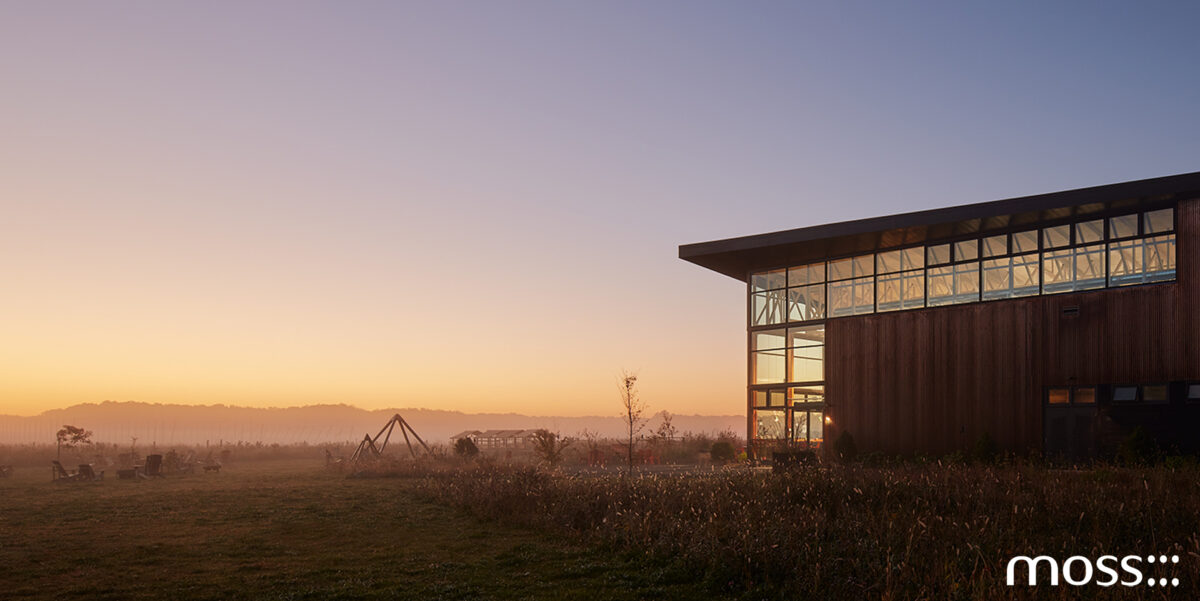
For any modern house architect, daylight is not an afterthought. It is a primary design material. Natural light defines how a home feels, how spaces flow, and how architecture is experienced throughout the day. One of the most effective tools for shaping light in modern house design is a well-considered skylight house plan.
We see skylights as architectural elements, not accessories, at moss Design. When designed by experienced architects and building designers, a skylight house can transform everyday living, reduce energy use, and elevate residential architectural design from functional to exceptional.
In dense urban environments like Chicago, where neighboring buildings, setbacks, and lot constraints often limit vertical light, skylights play an especially powerful role. Below, we’ll explore modern house architect insights and cover how you can maximize daylight using a skylight house strategy that is intentional, refined, and built-to-last.
Why Daylight Is Central to Modern House Architecture
Daylight is foundational to modern architecture. A thoughtful modern house architect prioritizes light not just for aesthetics, but for wellness, energy efficiency, and spatial clarity.
Natural light supports:
- Visual comfort and reduced reliance on artificial lighting
- A stronger connection between interior and exterior spaces
- Improved mood, productivity, and circadian rhythms
- Clear expression of architectural form and materiality
In contemporary residential architectural design, daylight is often what distinguishes a well-designed modern home from one that merely looks modern.
Skylights allow architects and building designers to sculpt light from above, bringing illumination deeper into the plan where traditional residential windows cannot reach.
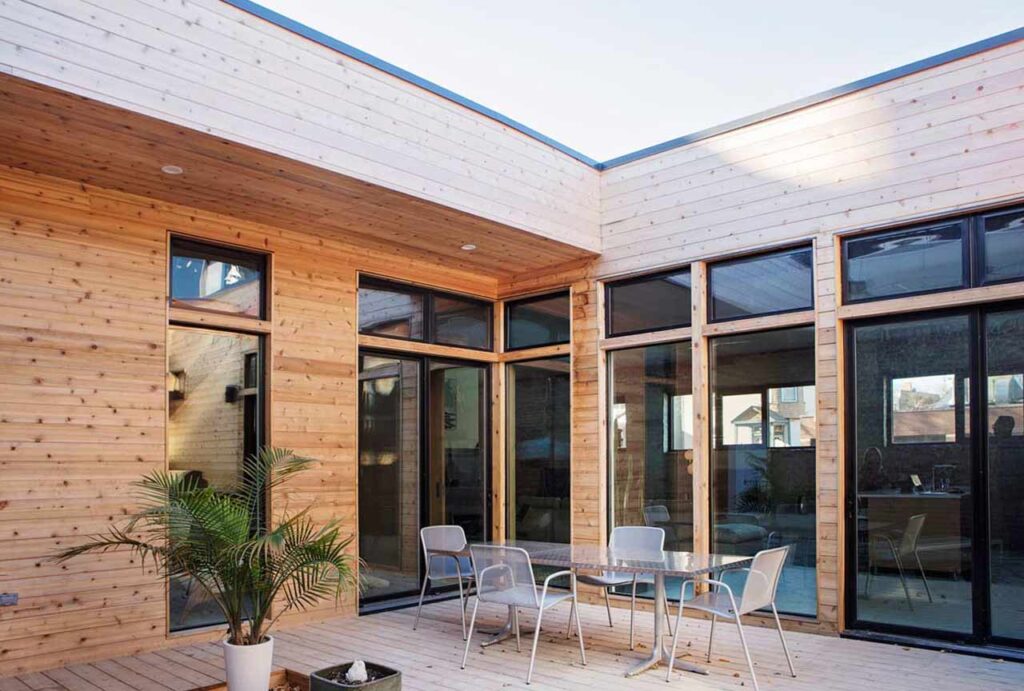

What Is a Skylight House Plan?
A skylight house plan integrates skylights as a core architectural strategy rather than a late-stage addition. In modern house design, skylights are planned alongside structure, roof form, and interior layouts.
Unlike standard windows, skylights:
- Deliver consistent daylight throughout the day
- Illuminate interior rooms away from exterior walls
- Emphasize vertical space and ceiling height
- Create dynamic light patterns that change with time and season
For a modern house architect, the skylight house plan becomes a way to choreograph light—directing it precisely where it adds the most value.
Types of Skylights Used in Modern Residential Architecture
Not all skylights are the same. Architects and building designers select skylight types based on orientation, room function, and overall modern house design goals.
Common skylight strategies include the following.
Linear Skylights
Long, narrow skylights are frequently used in modern house design to wash walls with light or define circulation paths.
Central Skylights
Placed over stairs or atriums, these skylights bring daylight into the core of a house with skylight planning.
North-Facing Skylights
These skylights are preferred by many modern house architects for soft, consistent light without glare.
Operable Skylights
In residential architectural design, these skylights are used strategically to enhance natural ventilation and passive cooling.
Each option contributes differently to how light is experienced, making early planning essential.
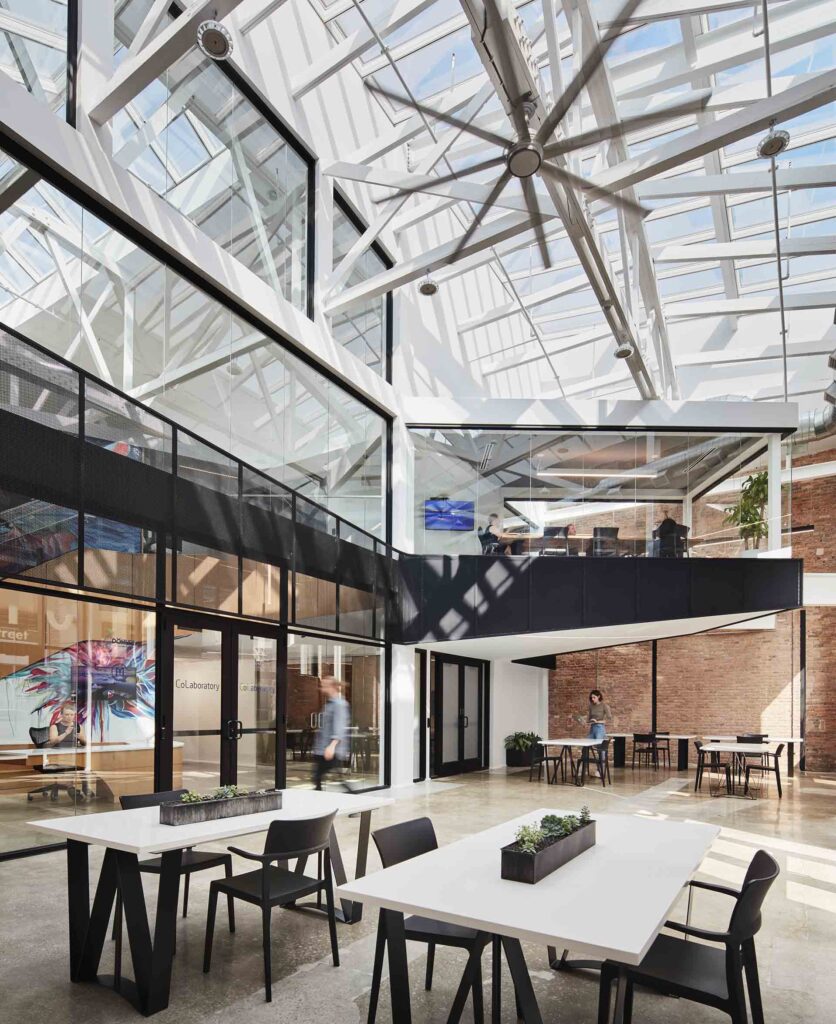
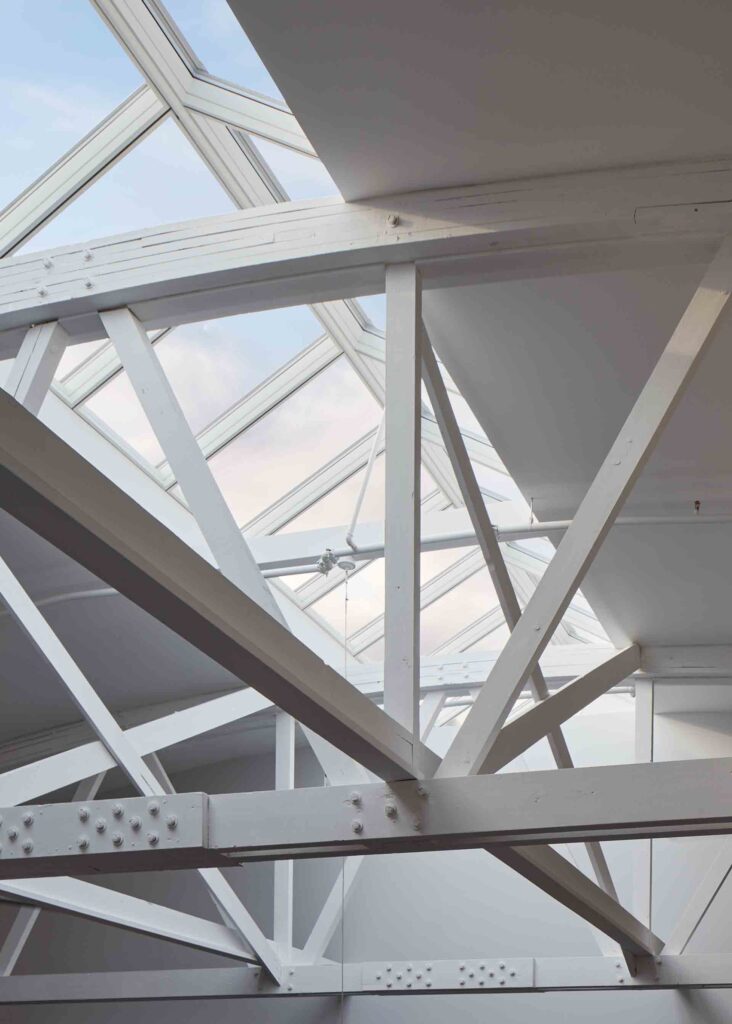
Designing a House With Skylight Features
A successful house with skylight design depends on precise placement. Architects and building designers consider solar orientation, roof geometry, and interior function before finalizing skylight locations.
Key placement considerations include:
- Kitchen and living areas: Creating bright, welcoming social spaces
- Bathrooms: Providing daylight without compromising privacy
- Hallways and stairs: Turning transitional spaces into architectural moments
- Home offices: Delivering balanced light for focus and comfort
For a modern house architect, skylights are never randomly placed. Each opening in the roof is a deliberate response to how the home is lived in.
Skylights and Energy Performance in Modern House Design
When properly detailed, skylights enhance energy performance. Today’s residential architectural design relies on high-performance glazing and advanced detailing.
Modern skylight systems offer:
- Low-E coatings to control heat gain
- Insulated frames and curbs
- Integrated shading options
- Compatibility with green roofs and solar strategies
Architects and building designers coordinate skylights with ventilation, air barriers, and roof assemblies to ensure long-term comfort and durability. A skylight house plan should always be both beautiful and technically sound.
Urban Challenges: Skylight Design in Chicago Homes
In urban settings like Chicago, skylights are often essential rather than optional. Row homes, infill lots, and renovations frequently lack sufficient perimeter windows.
A modern house architect working in Chicago uses skylights to:
- Bring daylight into narrow floor plates
- Improve privacy while increasing brightness
- Transform top floors and attic conversions
- Respect zoning and setback constraints
For architects and building designers, skylights offer a way to unlock light without compromising context or privacy, an increasingly important consideration in urban residential architectural design.
Integrating Skylights With Interior Architecture
Skylights are most successful when coordinated with interior architecture. Ceiling planes, wall finishes, and material choices all affect how daylight is perceived.
Modern house architects often pair skylights with:
- Light-colored plaster or wood ceilings
- Vertical surfaces that reflect daylight deeper into rooms
- Built-in millwork aligned with light patterns
- Minimal detailing to let light take center stage
In a well-designed house with skylight features, daylight becomes an architectural language defining form, rhythm, and mood.

Why Hire a Modern House Architect for Your Skylight House
Even in modern house design, skylights can fail if poorly executed. Experienced architects and building designers help clients avoid common pitfalls such as:
- Oversizing skylights, leading to glare or overheating
- Ignoring roof structure and drainage
- Poor detailing that causes leaks or condensation
- Treating skylights as decorative rather than architectural elements
A skilled modern house architect understands that restraint and precision are key. The goal is balance, not brightness alone.
Designing a skylight house is a major architectural decision. Working with experienced architects and building designers ensures skylights are integrated from the earliest stages of residential architectural design.
Benefits include:
- Better coordination between structure and daylighting
- Improved long-term performance and durability
- A cohesive modern house design vision
- Fewer construction issues and surprises
At moss Design, we approach skylights as part of a larger architectural narrative that values clarity, sustainability, and livability.
How Modern House Architects Approach Skylight Design
For a modern house architect, skylight design begins long before they produce construction drawings. Skylights are most effective when architects embed them in the earliest phases of residential architectural design. This is where they develop form, structure, and light together.
During concept design, architects and building designers study how the sun moves across the site throughout the day and across seasons. This analysis informs roof geometry, skylight orientation, and ceiling heights: critical factors in successful modern house design. In a skylight house plan, even small adjustments in placement can dramatically change how light enters and animates a space.
As the design progresses, the modern house architect coordinates skylight locations with structural systems, ensuring that openings align cleanly with beams, rafters, and roof framing. This coordination allows skylights to feel integrated rather than applied, reinforcing architectural clarity in a house with skylight features.
Material selection is also guided by daylight strategy. Interior surfaces, floor finishes, and wall textures are chosen to reflect or soften light depending on the desired atmosphere. For architects and building designers, this level of coordination ensures that the skylight house performs visually and technically, not just aesthetically.
Finally, during construction documentation and administration, experienced residential architectural design teams focus on detailing. Proper flashing, insulation, and air sealing are essential to long-term performance. A well-designed skylight house is one where daylight, energy efficiency, and durability work together— an outcome best achieved through collaboration with a skilled modern house architect.
Daylight as a Skylight House Design Philosophy
For any modern house architect, daylight is about illumination and the experience. A thoughtfully designed skylight house plan allows natural light to shape space, enhance comfort, and express architectural intent.
In contemporary residential architectural design, skylights are among the most powerful tools available. When designed by experienced architects and building designers, a house with skylight features becomes brighter, calmer, and more connected to the outdoors.
Whether you’re planning a new custom home or reimagining an existing residence, integrating skylights early and intentionally can transform how your home feels and functions for years to come.
To learn how a house with skylight features can transform your home with natural light, contact moss Design to begin a collaborative design process focused on clarity, performance, and timeless architecture.
Frequently Asked Questions
Why do modern house architects prioritize daylight in residential design?
A modern house architect treats daylight as a core design element that shapes space, comfort, and energy performance. Natural light improves wellness, reduces reliance on artificial lighting, and helps express the form and materials of modern house design.
What is a skylight house plan, and how is it different from adding skylights later?
A skylight house plan integrates skylights into the architecture from the earliest design phases rather than treating them as add-ons. Architects and building designers coordinate skylights with structure, roof form, and interior layout to ensure better performance, durability, and visual clarity.
How do skylights improve modern house design in urban settings like Chicago?
In dense urban environments, skylights bring daylight into areas where perimeter windows aren’t possible. A house with skylight features can feel brighter, more private, and more spacious while respecting zoning constraints and neighboring buildings.
Do skylights affect energy efficiency in residential architectural design?
When properly designed, skylights can improve energy efficiency by reducing the need for artificial lighting and supporting passive ventilation. Modern residential architectural design relies on high-performance glazing, insulation, and detailing to prevent heat loss or overheating.
Why should architects and building designers plan skylights early in the design process?
Planning skylights early allows architects and building designers to align daylight strategy with structure, materials, and interior architecture. This approach reduces construction issues and ensures the skylight house performs visually, environmentally, and technically over time.