When you begin planning a custom home, renovation, or even a mixed-use project, one of the first choices you’ll have to make is choosing who should lead the way in making your vision a reality. Many homeowners find themselves comparing residential design firms and architectural firms, unsure of how their roles differ or which approach will get them the home they’ve been dreaming of. The answer can feel murky, especially when the vernacular around design and construction overlaps or is opaque.
At moss Design, we believe clarity leads to better outcomes. Understanding how these practices differ, how the design process unfolds, and where a residential architect fits into the equation can help you choose a partner who aligns with your values, your lifestyle, and your long-term vision. In this article, we’ll guide you through the design process, what architecture and residential design firms each bring to the table, and how moss Design stands apart in a city renowned for stunning, innovative design.
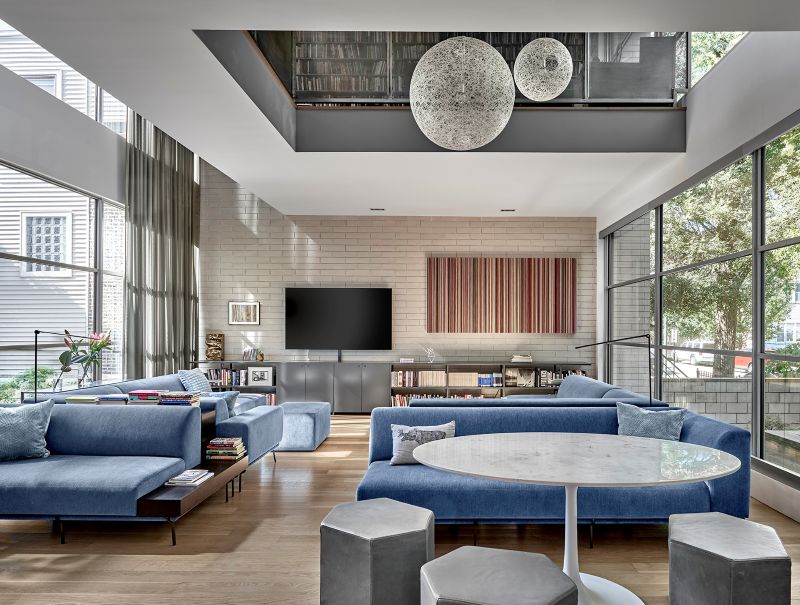
Understanding the Difference: Design-First vs. Architect-First Studios
At the highest levels, residential design firms often focus on spatial planning, interiors, and aesthetic direction. They may excel at material palettes, furniture layouts, and visual storytelling, but frequently rely on outside consultants to handle structural systems, permitting, and construction documentation.
Traditional architectural firms, on the other hand, are typically responsible for the technical drawings, obtaining code compliance, and building systems. While many are highly skilled, their process can sometimes separate architecture from interiors, treating finishes and furnishings as secondary details to be decided on later.
A residential architect bridges these worlds, shaping the structure, flow, and lived experience of a home from the inside out. When architecture and interiors are conceived together, the result is often more cohesive, functional, and enduring, serving the homeowners’ specific needs and unique vision.
The Residential Design Process: Where Vision Takes Shape
Regardless of who you hire, every successful project begins with listening. At moss Design, our process starts by understanding how clients live and need their houses to function for them, not just how they want their home to look. We explore daily routines, long-term needs, and the emotional qualities a space should evoke.
Some residential design firms enter the process once the architectural shell is already defined. In contrast, an architect-led studio integrates proportion, light, circulation, and sustainability from the first sketch. This approach allows a residential architect to guide decisions that affect everything from energy performance to how natural light moves through a space during the day.
Because moss Design is both an architecture and construction studio, we test ideas against real-world constraints early, ensuring concepts are not only beautiful, but buildable.

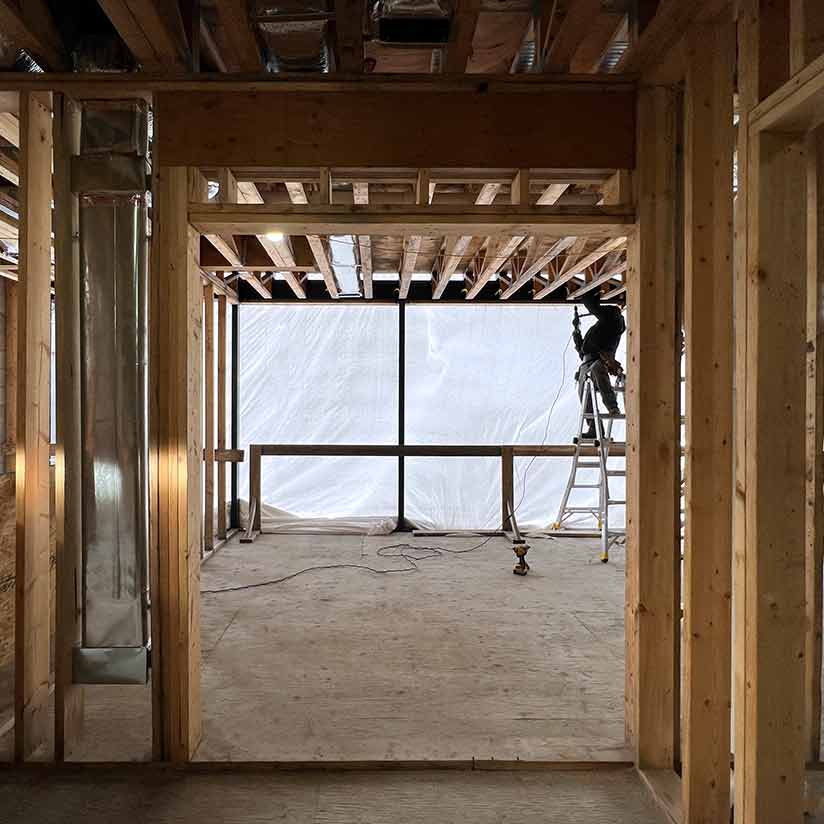
Architecture and Interiors as One Continuous Conversation
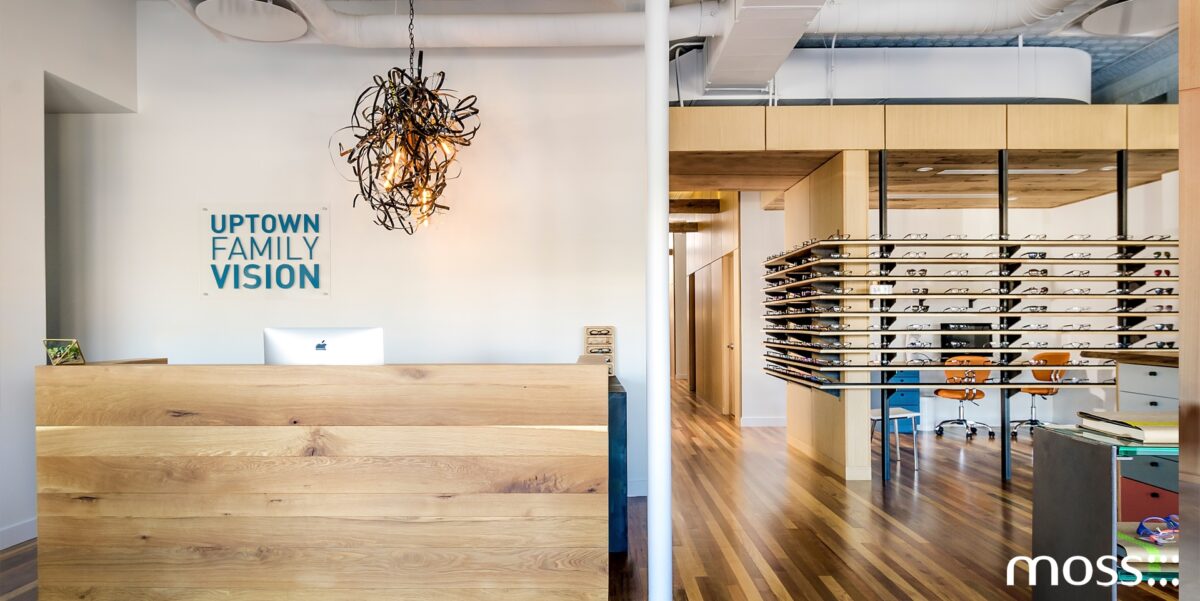
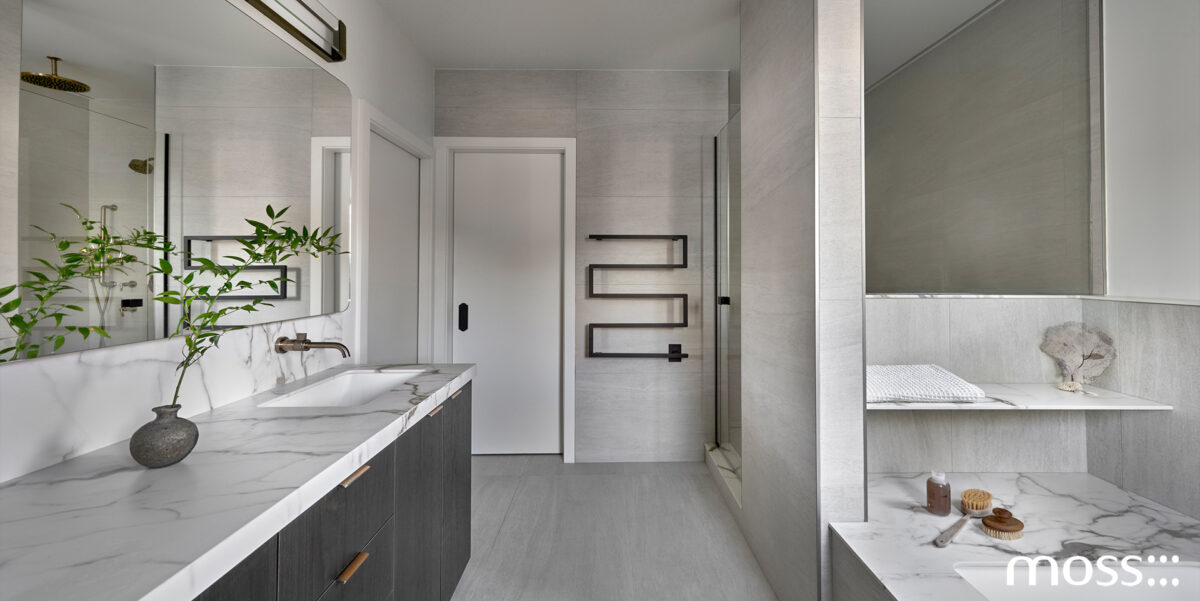
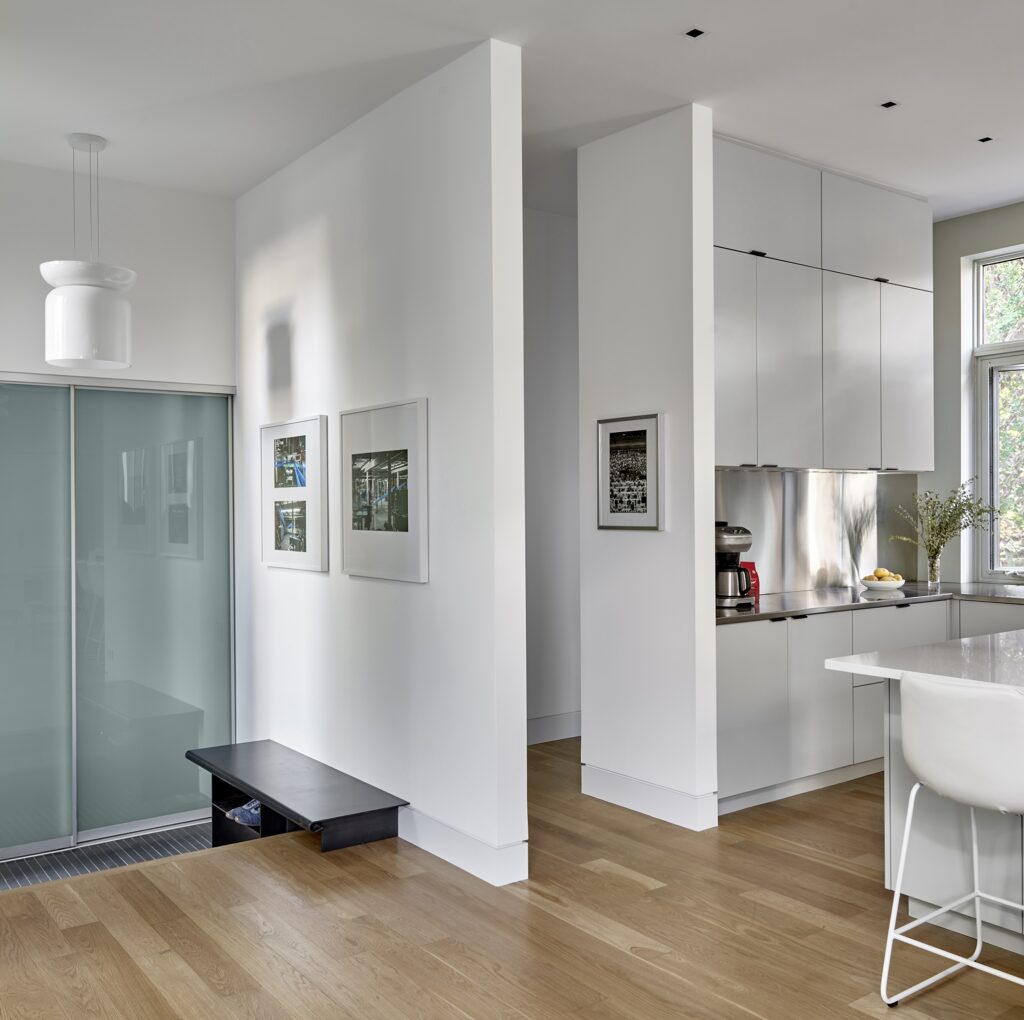
One of the most meaningful distinctions between residential design firms and architect-led studios is how interiors are treated. Too often, cabinetry, lighting, and material transitions are resolved late in the process, leading to compromises homeowners weren’t expecting to make. At moss Design, interiors are inseparable from architecture. Our work in residential architecture emphasizes harmony among aesthetics, functionality, connectivity, and sustainability. Whether designing custommillwork or selecting fixtures, each choice reinforces the architectural intent. This holistic approach is something many large architectural firms struggle to deliver consistently, especially when teams are segmented across departments. As a small studio, moss Design offers direct collaboration, accountability, and craft at every step of the process.
Our Work Speaks for Itself
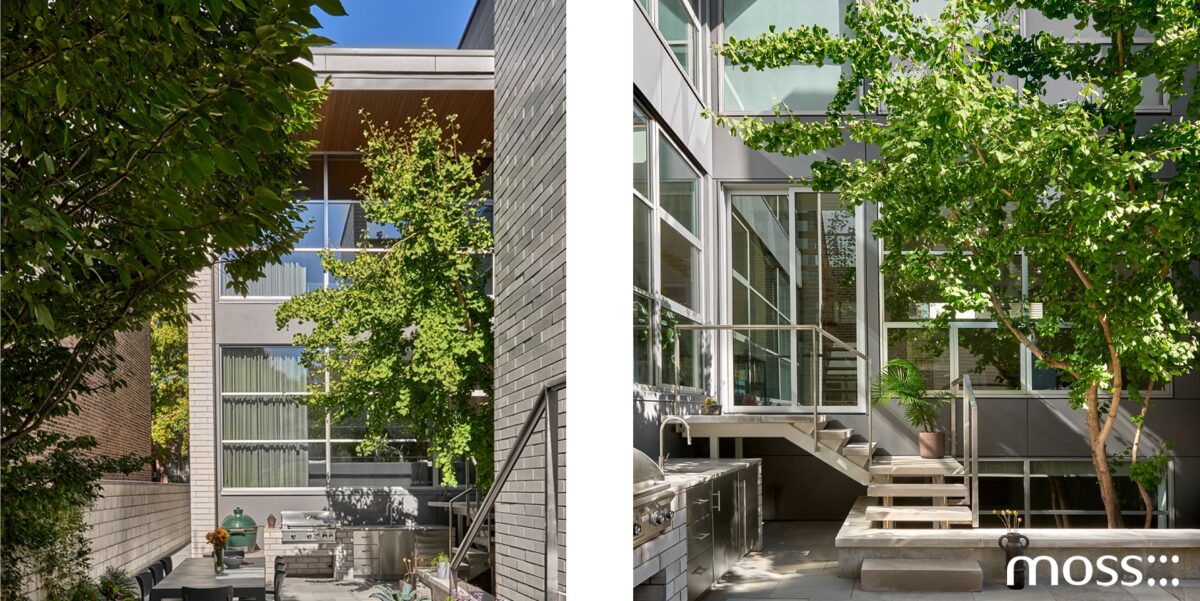
Our completed projects throughout Chicago reflect our integrated philosophy. In a modern urban townhouse renovation, moss Design reimagined the interior layout to improve daylighting and flow, while preserving the home’s relationship to its historic streetscape. Structural changes, custom stair design, and built-in furniture were developed simultaneously, resulting in a seamless experience.
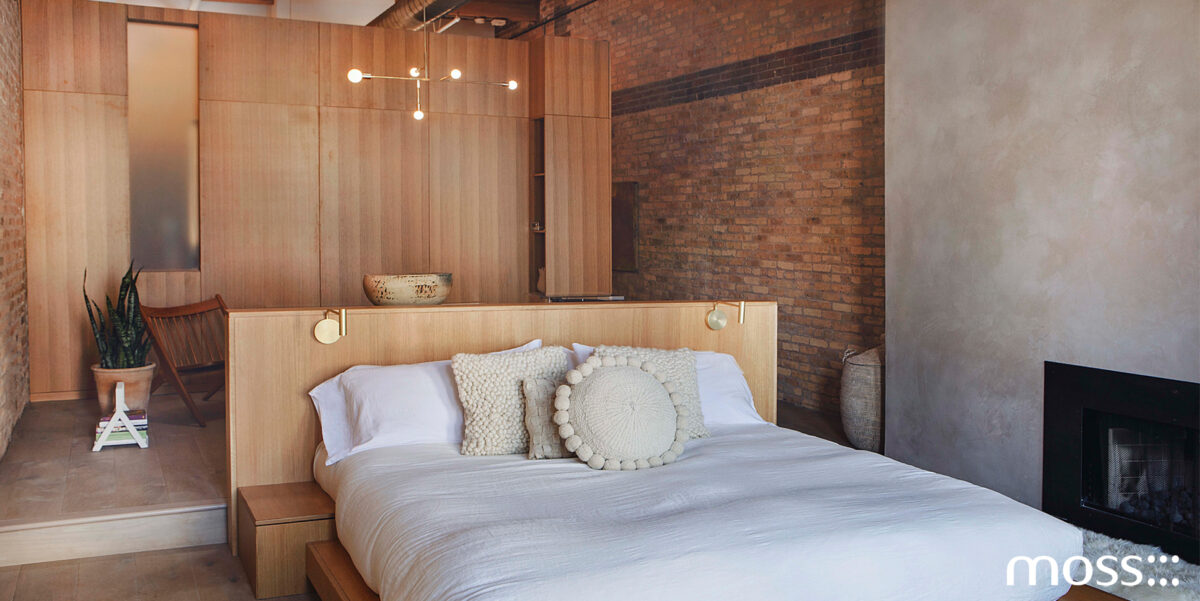
In another adaptive reuse project, a former industrial space was transformed into a warm, livable home. By applying principles of residential architecture, we balanced raw materials with refined detailing, designing custom cabinetry and furniture that honored the building’s past while supporting modern living. These projects demonstrate how residential design firms that operate without architectural leadership can miss opportunities embedded in the structure itself—opportunities a residential architect is trained to see.
Sustainability as the Cornerstone of Design
Sustainability is often discussed, but not always meaningfully integrated. At moss Design, it informs every decision, from building envelope performance to material sourcing and long-term durability. Rather than treating sustainability as a checklist, we view it as essential to good and responsible residential architecture.
This approach differs from many architectural firms that address sustainability later in the process. By embedding these values early, we create homes that feel better to live in and stand the test of time.


Finding the Right Fit
Homeowners often begin their journey by searching “architectural designer near me,” hoping to find someone who understands both design and construction. While search results may list dozens of options, the most important questions are about quality and how those professionals work.
Do they integrate interiors and architecture?
Do they understand construction firsthand?
Will you work directly with the people designing your home?
If you’re comparing residential design firms and considering an architectural designer near me, it’s worth asking who will truly lead the vision from concept through completion. An architect-led studio can offer continuity that minimizes friction and maximizes clarity.
Let moss Design Be Your Guide
Ultimately, choosing between residential design firms and a residential architect comes down to how holistic you want the process to be. If you value architecture, interiors, sustainability, and construction expertise working together, an integrated studio may be the right partner.
At moss Design, we combine the rigor of architecture with the intimacy of design-build practice. As licensed architects and general contractors, we ensure ideas move seamlessly from concept to reality. Clients searching for an architectural designer near me often discover that what they’re really seeking is a team that listens deeply, designs thoughtfully, and builds with care.
Whether you’re planning a new home, renovation, or adaptive reuse project, understanding the differences between architectural firms and design-led studios empowers you to choose a partner who will honor and elevate your vision. Reach out to our team today to learn more about our process and get your project on the books.

Frequently Asked Questions
What is the difference between residential design firms and architectural firms?
Residential design firms typically focus on interiors, finishes, and visual planning, while architectural firms handle structure, codes, and construction documentation. A residential architect combines both, leading residential architecture from concept through construction for a more cohesive result.
When should a homeowner choose a residential architect instead of a design-first firm?
A residential architect is the best choice for projects that involve structural changes, custom homes, or renovations that require architectural coordination. Architect-led studios integrate layout, light, sustainability, and buildability from the beginning, unlike many residential design firms.
How does a residential architect shape the design process differently from architectural firms?
A residential architect considers how people live in a space while shaping structure, circulation, and light from the first sketch. This integrated approach allows residential architecture to feel intentional and functional, rather than separating architecture from interiors.
Why is it important to integrate architecture and interiors in residential architecture?
When architecture and interiors are designed together, cabinetry, lighting, and materials reinforce the overall vision instead of becoming last-minute additions. This is a key advantage of working with a residential architect rather than segmented architectural firms.
What should homeowners look for when searching for an architectural designer near me?
When searching for an architectural designer near me, homeowners should look for a studio that leads both design and construction with clarity. A residential architect who integrates architecture, interiors, and sustainability can guide the project seamlessly from concept through completion.