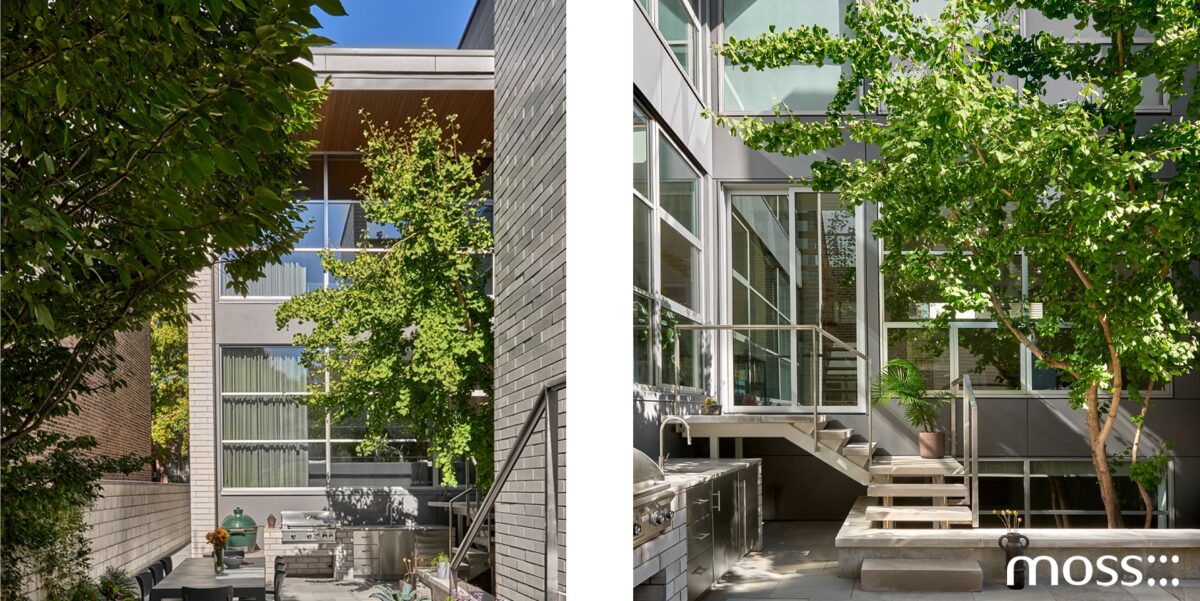
As Chicago homeowners become more intentional about how their spaces support wellness, longevity, and environmental responsibility, sustainable residential architects are increasingly turning to nature as both a guide and a partner in design. At moss Design, we’re known for creating thoughtful, human-centered spaces, and the integration of biophilic principles has become a powerful way to connect people, place, and purpose. When executed with care, biophilic strategies elevate daily living while reinforcing long-term sustainability goals.
At its core, biophilic design is about more than aesthetics. It is a philosophy rooted in the idea that humans thrive when they maintain a close relationship with nature. For residential projects, this approach has the potential to transform how homes feel, function, and perform, particularly when paired with a broader commitment to environmental responsibility. In this article, we explain exactly what biophilic design is and how it’s closely tied to our ethos here at moss Design.
What Is Biophilic Design?
Biophilic design is an architectural and interior design approach that intentionally incorporates natural elements into the built environment. This may include access to daylight, views of greenery, natural materials, organic forms, and spatial experiences that echo the patterns of nature. Rather than simply adding plants or visual references, biophilic strategies are integrated into the structure and planning of a home.
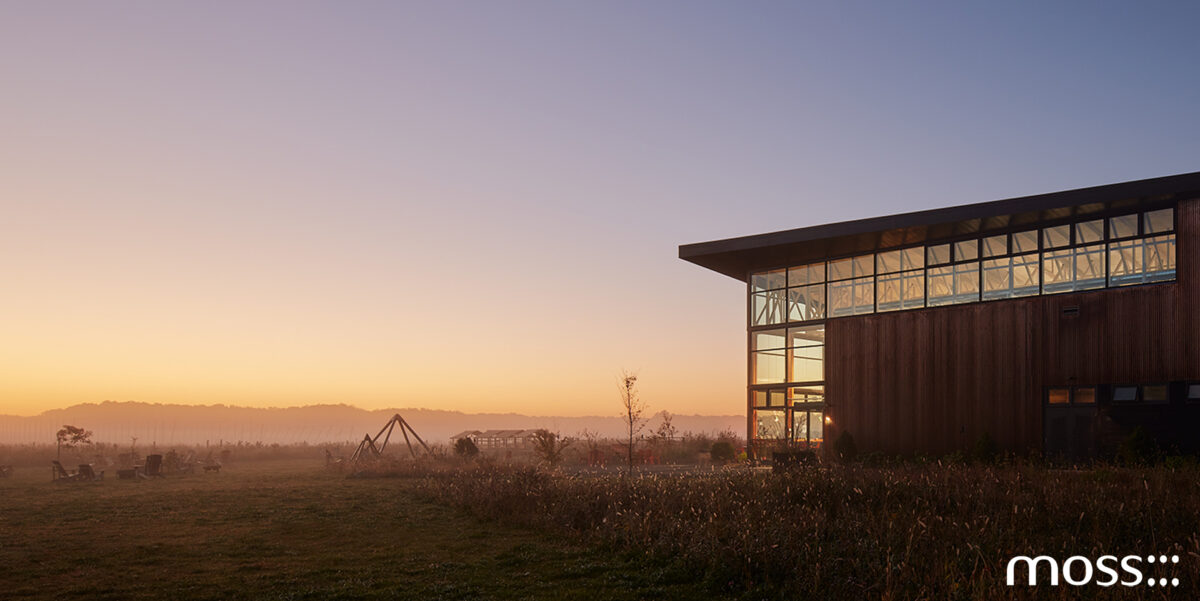
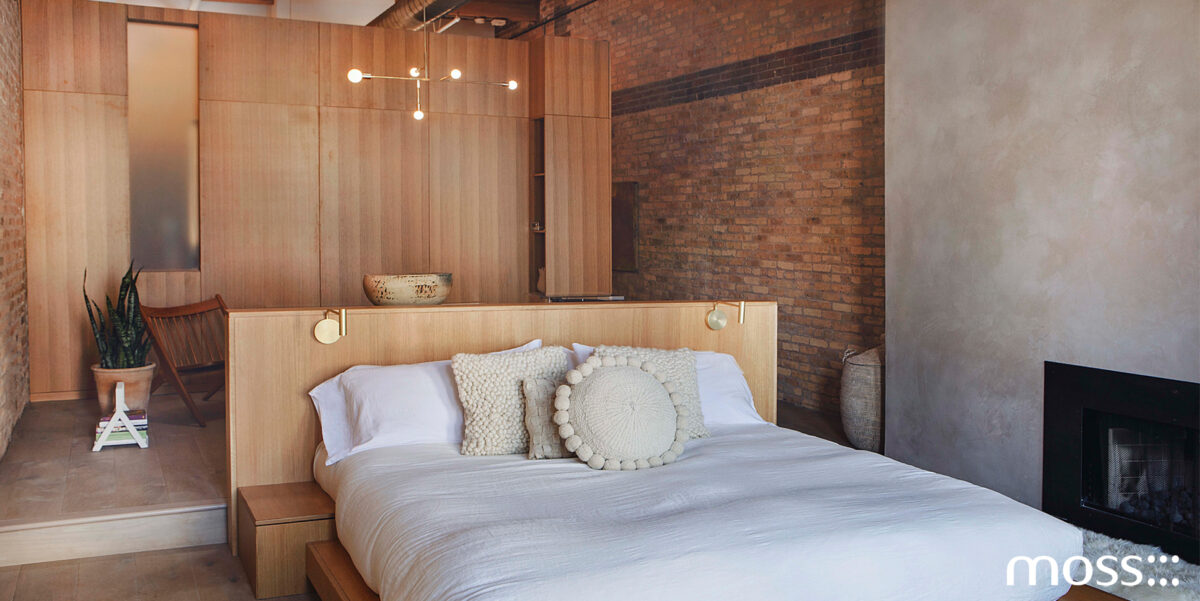
In residential settings, biophilic design often manifests through large windows that frame outdoor views, seamless indoor-outdoor transitions, wood or stone finishes, and layouts that promote airflow and natural light. These elements work together to create environments that feel calming, restorative, and inherently human.
When aligned with sustainable architecture, biophilic principles become even more impactful. Thoughtful orientation, passive solar strategies, and landscape integration support both human well-being and environmental performance.


Why Biophilic Design Matters for Homeowners
Research consistently shows that environments connected to nature can reduce stress, improve cognitive function, and enhance overall well-being. For homeowners, this translates into spaces that feel healthier and more enjoyable to live in over time. Biophilic design supports mental clarity, emotional balance, and even better sleep by regulating light, air, and sensory input.
Beyond wellness, biophilic homes often align naturally with sustainable architecture goals. Increased daylight reduces reliance on artificial lighting, while improved ventilation can lower energy consumption. When these strategies are thoughtfully planned, homeowners benefit from reduced operating costs and a smaller environmental footprint.
At moss Design, these outcomes are never accidental. Each residential project is carefully evaluated to determine how biophilic principles can enhance the lived experience while reinforcing broader sustainability objectives.
Biophilic Design and Sustainable Architecture in Practice
While biophilic design focuses on the human-nature connection, sustainable architecture addresses how buildings interact with the environment over their lifecycle. The most successful residential projects balance both, ensuring that beauty and performance work hand in hand.
This integrated approach often includes high-performance building envelopes, energy-efficient systems, and responsibly sourced materials. When paired with nature-inspired design strategies, the result is a home that feels grounded, efficient, and enduring. In urban contexts like Chicago, this balance is especially important, as residential projects must respond to climate, density, and neighborhood character.
By weaving sustainable architecture principles into every phase of design, moss Design ensures that biophilic elements are not superficial additions but essential components of a home’s long-term success.
Supporting Sustainable Design Through Nature
A commitment to sustainable design means considering how a home impacts both its occupants and the environment. Biophilic strategies naturally reinforce this mindset by encouraging efficiency, durability, and adaptability. Homes designed with nature in mind tend to age more gracefully, remaining relevant and comfortable as lifestyles evolve.
Sustainable design also prioritizes material health and indoor air quality. Natural finishes, low-VOC products, and breathable assemblies contribute to interiors that feel fresh and welcoming. These decisions align seamlessly with biophilic goals, reinforcing the connection between environmental responsibility and personal well-being.
For homeowners, this means investing in spaces that support both immediate comfort and long-term value.
Green Architecture in a Residential Context
Incorporating green architecture into residential projects requires more than selecting energy-efficient products. It involves a holistic understanding of site conditions, climate responsiveness, and occupant needs. Biophilic strategies help bridge these considerations by grounding design decisions in real human experience.
Through green architecture, homes can integrate rainwater management, native landscaping, and passive heating and cooling strategies that reduce environmental impact. When these systems are paired with biophilic elements, such as courtyards, terraces, or garden views, the result is a residence that feels connected rather than constrained.
moss Design approaches green architecture as an opportunity to create homes that are both responsible and deeply personal, reflecting how clients want to live today and in the future.
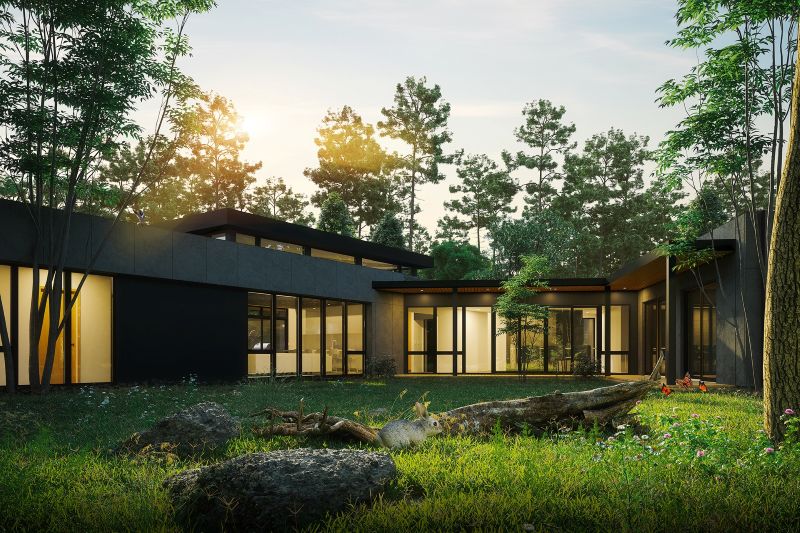

The Role of Biophilic Architecture in Residential Projects
Biophilic architecture applies the principles of biophilic design at the structural and spatial levels. This might include sculpting forms that echo natural geometries, designing circulation paths that unfold gradually, or creating moments of refuge and prospect within a home.
In residential architecture, these ideas translate into spaces that feel intuitive and emotionally resonant. Homes designed with biophilic architecture often encourage slower movement, deeper relaxation, and stronger connections between family members and their surroundings.
By embracing biophilic architecture, moss Design creates residences that are not only visually compelling but experientially rich.
Sustainable Architecture as a Long-Term Investment
Choosing sustainable architecture is not simply an environmental statement; it is a strategic investment in quality of life. Homes that prioritize efficiency, durability, and adaptability tend to perform better over time, both financially and functionally.
When sustainable architecture is combined with biophilic thinking, homeowners gain spaces that actively support health and comfort while minimizing resource consumption. This synergy reflects a broader shift in how residential projects are conceived, moving away from short-term trends and toward lasting value.
moss Design’s Approach to Residential Architecture
At moss Design, residential architecture is guided by a belief that homes should nurture both people and the planet. Every project begins with listening, understanding how clients live, what they value, and how their environment can better support them. By integrating residential architecture with biophilic principles and sustainability goals, the firm creates spaces that feel intentional, grounded, and enduring. This approach reflects a deep respect for craft, context, and the everyday experiences that define home.
Ultimately, residential architecture rooted in nature and responsibility offers more than shelter. It offers a way of living that feels balanced, connected, and aligned with a more sustainable future. If this philosophy aligns with the values you want your home to reflect, contact moss Design to get started.
Frequently Asked Questions
What is biophilic design in residential architecture?
Biophilic design is an approach that integrates natural light, materials, views, and spatial patterns into residential architecture to strengthen the connection between people and nature. When thoughtfully applied, it enhances comfort, wellness, and the overall experience of living at home.
How does biophilic design support sustainable architecture?
Biophilic design naturally complements sustainable architecture by encouraging daylighting, passive ventilation, and climate-responsive planning. These strategies reduce energy use while creating healthier, more comfortable living environments.
Why are sustainable residential architects incorporating biophilic principles?
Sustainable residential architects use biophilic principles because they support both human well-being and long-term environmental performance. Homes designed this way tend to feel calmer, function more efficiently, and age more gracefully over time.
Is biophilic architecture only about adding plants to a home?
No. Biophilic architecture goes beyond decorative greenery and focuses on spatial planning, material selection, natural light, airflow, and how a home interacts with its surroundings. These elements are integrated into the structure of the home rather than added as surface-level features.
How does green architecture benefit homeowners in the long term?
Green architecture supports lower operating costs, improved indoor air quality, and greater resilience over time. When combined with biophilic design, it creates residential spaces that feel healthier to live in while supporting sustainable design goals.