



Your home isn’t just where you end up at the end of the day. It’s where life actually happens; from the first cup of coffee in a sunny kitchen to the hallway that’s seen birthdays, first steps, and muddy boots after a snowy commute.
In a city packed full of greystones, bungalows, two-flats, and converted walkups, daily moments feel shaped by the walls around them. That’s why residential architecture services are so important here. Each Chicago home carries its own history, quirks, and potential. Designing one means understanding what you need from it now and what you hope it will hold in the future. In a place where classic blocks meet bold new ideas, creating a home becomes both personal and deeply connected to the city that frames it.
Architectural firms in Chicago do more than make drawings. From the first site analysis and schematic design to permitting, construction, and interior detailing, architects in Chicago shape spaces that fit how you actually live. The result should feel right on the day you move in and still feel like home years later.
For anyone exploring Chicago residential architecture services, this article walks through what the full residential architecture journey actually encompasses. We’ll look at why choosing local architects in Chicago matters, how each design phase unfolds, from site analysis and schematic ideas to construction documents and permitting, and what architects in Chicago do during bidding, construction, and move-in.
By the end, you’ll have a grounded sense of how a home in Chicago begins to take form or new shape, phase by phase, and what to expect when you partner with architectural firms in Chicago that know the city block by block.


Why Hire Chicago Residential Architecture Services
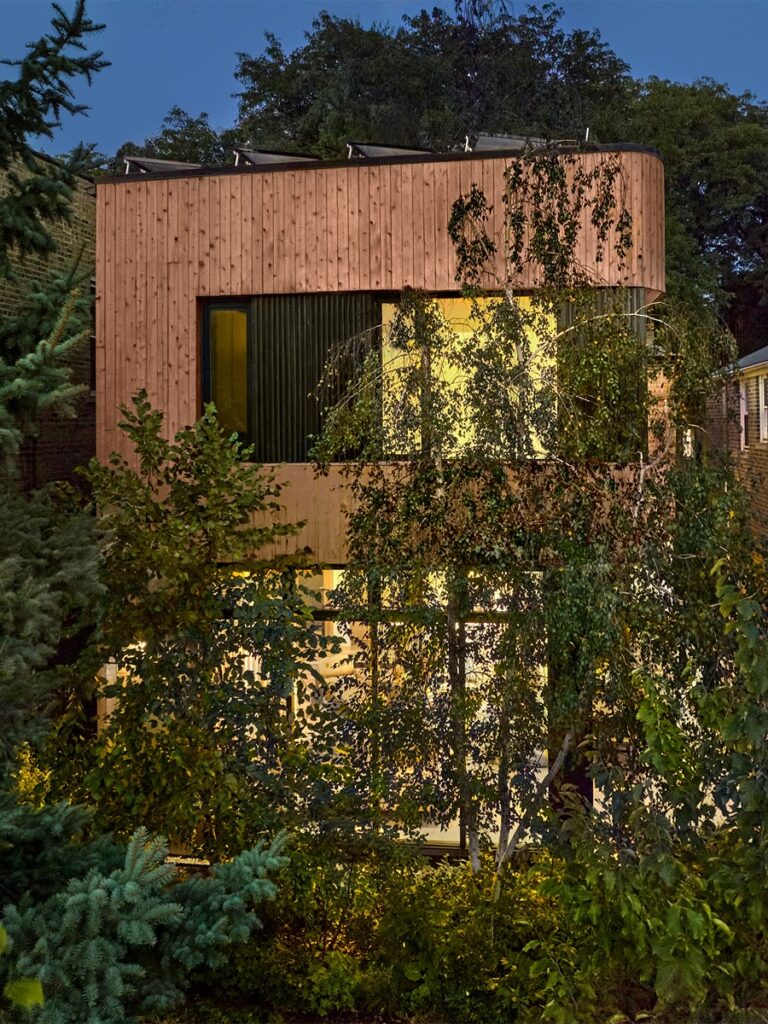
Chicago builds its neighborhoods in layers, where tree-lined streets connect Prairie-style homes, mid-century walkups, workercottages, and converted lofts. It’s a city where each neighborhood holds its own architectural lineage. Shaped by waves of migration, industry, reinvention, and stubborn pride. Designing a home here means reading those layers with care.
Thoughtful Chicago residential architecture services help you understand the story your site is already telling and how your home can add its own chapter. Local experience becomes essential the moment a residential architectural project evolves into something real. Seasoned architects in Chicago know the city’s microclimates the way others know the backs of their hands: how lake winds move through East Rogers Park; how deep afternoon shadows fall across a Bucktown lot in winter; how the narrow side yards common in Lincoln Square can influence the layout of a second-floor addition, from window placement to the way natural light reaches the rooms you use most. They’ve walked these streets, studied their patterns, and learned how to make new work feel both contemporary and contextually grounded.
Navigating Chicago’s Neighborhoods and Regulations
That same familiarity extends to the city’s regulatory landscape. Chicago’s permitting system can be unpredictable. Historic districts, from Old Town Triangle to parts of Bronzeville, come with their own review processes. Skilled architectural firms Chicago residents count on anticipate these checkpoints before they become roadblocks. They navigate aldermanic priorities, manage permit sequencing, and flag potential zoning surprises early, keeping your project moving rather than stalling in an administrative loop.
Working with specialists in Chicago residential architecture also means getting design ideas shaped by the city’s long architectural history. They understand why a limestone facade welcomes a modern addition, how a narrow Wicker Park lot can still feel bright, or why a rear mudroom can be a lifesaver during slushy winters. These lived-in design strategies make daily life noticeably better.
The most trusted architects in Chicago combine technical expertise with a grounded understanding of how Chicagoans actually live: commutes, coats, bikes, dogs, messy seasons, long dinners with friends. They design not just for aesthetics, but for real life.
The Residential Architecture Services Process for Chicago Homes
Every home tells a different story, and the design process should make space for yours. Thoughtful residential architecture services don’t rush the early steps or gloss over the technical ones; they guide you through each phase with a mix of creativity, clarity, and steady support. Here’s how the work unfolds, one phase at a time.
Discovery, Site Analysis, and the Architectural Master Plan
This stage opens the door to everything that follows. The process begins by understanding what a homeowner loves, what isn’t working, and what the space needs to support the homeowner’s goals.
From there, the site is studied through a Chicago lens with close attention to zoning rules that shift from neighborhood to neighborhood, lot lines that run tight in places like Lincoln Square or Wicker Park, how daylight moves across the block, and what existing materials reveal about the home’s history.
The aim is to define what’s possible, what’s practical, and what will genuinely support the way a household lives day to day.

Schematic Design
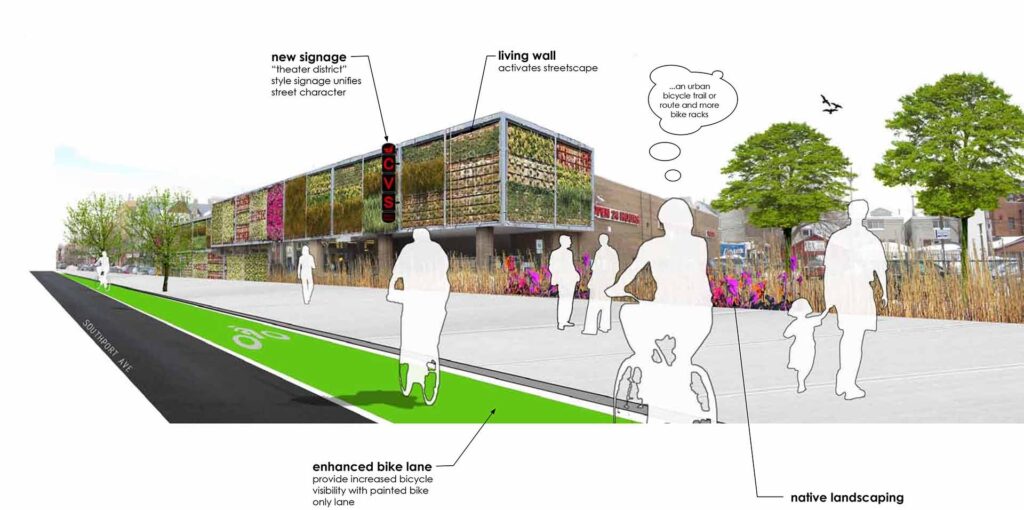
When it comes to residential architecture in Chicago, schematic design translates needs into early concepts. Floor plan options, massing studies, and conceptual sketches help you see how your home could expand, reorganize, or open up to create a connection to the outdoors or backyard (Chicago or urban-specific, with many clients wanting to eliminate the Chicago tacked-on porch and create a seamless connection to the yard). It’s a stage full of possibilities and a chance to explore versions of your future before committing to any.
For many Chicago homeowners, this is where they begin to picture how their two-flat could become a single-family home, or how a narrow lot could still feel bright and generous.
Design Development
Design development turns promising ideas into something more grounded and buildable. After selecting a general direction, the design team refines the design through material choices, precise dimensions, and systems designed for year-round comfort. In Chicago, this often means selecting windows that handle winter winds without sacrificing light, choosing insulation strategies suited to older masonry walls, and coordinating structural decisions that respect both the age and condition of the existing building.
This phase turns a Chicago residential architecture concept into a tangible design: one with weight, texture, and intention. It invites Chicago homeowners to react, revise, and imagine before any decisions are locked in, creating a low-pressure way to understand the direction a Chicago residential architecture project could take.
For those seeking guidance on Chicago residential architecture, schematic design provides the first clear glimpse of what a future home might feel like.
Construction Documents & Permitting
Here, clarity becomes everything. Detailed drawings give builders what they need and keep surprises off your invoice. Local experience matters, too, because Chicago’s permitting process demands precision and patience. The best architectural firms Chicago homeowners rely on already know what reviewers will ask for and assemble construction documents that move through the system cleanly.
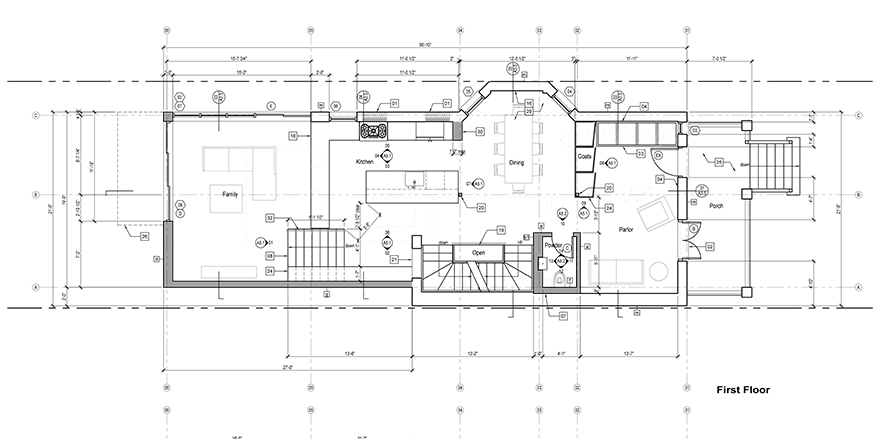
These documents hold the design together: floor plans, elevations, sections, structural coordination, and life-safety details form a set that guides both permit reviewers and the contractors who will bring your home to life.

Bidding & Contractor Selection
Once construction documents are complete, the focus shifts to selecting the right builder. This stage is about comparing bids with both cost and craft in mind. A low number doesn’t always signal value; a high one doesn’t always guarantee quality. Clear scopes of work, thorough bid reviews, and careful attention to omissions and assumptions help ensure that every contractor estimates the same project.
For homeowners exploring residential architecture services, this step provides the clarity needed. Knowing what each contractor is actually proposing, and why prices differ, allows for a more confident decision before construction begins. Transparency here sets the tone for the entire build.
Construction Administration
Once construction begins, the Chicago architect shifts into an advocate’s role. Site visits, submittal reviews, and responses to RFIs keep the project aligned with the approved design. Issues are addressed before they grow, and day-to-day decisions stay grounded in the original intent rather than convenience or guesswork.
Chicago-specific construction details, such as restoring historic trim profiles, managing winter sequencing, or coordinating masonry repairs on older structures, often surface during this phase. Experienced architects in Chicago understand these conditions firsthand and know how to navigate them with care and foresight.
Move-In & Follow-Up
Move-in marks more than the end of construction; it marks the beginning of living in the new space. This stage gives homeowners time to familiarize themselves with the systems, finishes, and the flow of daily life in the redesigned home. Any lingering questions are addressed, and small adjustments can be made once the space is experienced as intended.
For those seeking Chicago residential architecture support, this final phase brings the whole process full circle.
An Integrated Approach for Chicago Residential Architecture
While every project follows a similar sequence, the experience can vary significantly depending on who guides it. Moss Design brings a multidisciplinary approach that strengthens each phase from the first conversation to the moment a homeowner turns the key in the door.
As a full-service design studio and architectural firm in Chicago, and a licensed General Contractor for select projects, moss Design is able to keep design and construction closely connected. The same team that studies daylight on a tight Lincoln Square lot or sketches a modern reconfiguration of a two-flat can also coordinate subcontractors, manage budgets, oversee daily site activity, and make sure construction decisions honor the original vision.
During schematic design and design development, moss Design transforms ideas into spaces that support real life, grounding concepts in the practical realities of Chicago’s climate, codes, and historic housing types. In the construction documents phase, drawings are prepared with sufficient clarity to keep permitting on track and to provide builders with the information they need to work efficiently and accurately.
For custom elements like cabinetry, built-ins, and specialty millwork, moss Design collaborates directly with fabricators and cabinet makers to prepare shop drawings, ensuring the details match both function and aesthetic intention. And during construction administration, moss Design’s dual expertise allows issues to be resolved quickly, with fewer layers between decision and action.
The benefit is a clearer process, fewer surprises, and a home that feels cohesive because the people who designed it also understand how it’s built. It’s a more comprehensive way of delivering residential architecture services in Chicago, one that supports homeowners at every step, right up to move-in and beyond.


Frequently Asked Questions About Chicago Residential Architecture Services
What residential architecture services do architects in Chicago typically provide from concept to completion?
Architects in Chicago guide homeowners from the earliest idea through move-in. This includes site analysis, schematic design, design development, construction documents, permitting support, bidding, construction administration, and final walkthroughs. Many firms also help coordinate consultants, manage revisions, review contractor questions, and ensure the design aligns with daily life once construction begins.
How do schematic design and design development differ in the Chicago residential architecture process?
Schematic design explores possibilities: early layouts, massing ideas, and concept sketches that help a homeowner understand what could work on a Chicago lot. Design development builds on those ideas with real materials, clearer dimensions, furniture layouts, and structural considerations. It bridges inspiration and construction, giving the project shape and clarity.
What should homeowners know about permitting and zoning when working with Chicago residential architects?
Chicago’s permitting process values precision and complete documentation. Zoning rules vary block by block, and factors like setbacks, lot coverage, and landmark status can influence what’s possible. A firm experienced in Chicago residential architecture, like moss Design, can anticipate reviewer questions, help homeowners understand constraints, and prepare drawings that move through approvals more smoothly.
How do architectural firms in Chicago support clients during construction administration and move-in?
During construction administration, architectural firms Chicago homeowners hire typically review submittals, answer RFIs, attend site visits, and help contractors interpret the drawings accurately. They address issues before they grow, keeping decisions aligned with the design intent. Near move-in, architects assist with system orientations and follow-up questions so the home feels comfortable and understood from day one.
What are the benefits of hiring a single Chicago architecture firm for full-service residential design?
A single full-service team offers continuity from the first conversation to the final touch. Homeowners experience fewer communication gaps, a clearer decision-making process, drawings that align with construction needs, and a design that remains consistent from concept to completion. With one team guiding everything, transitions are smoother, surprises are minimized, and the final result is more cohesive.


