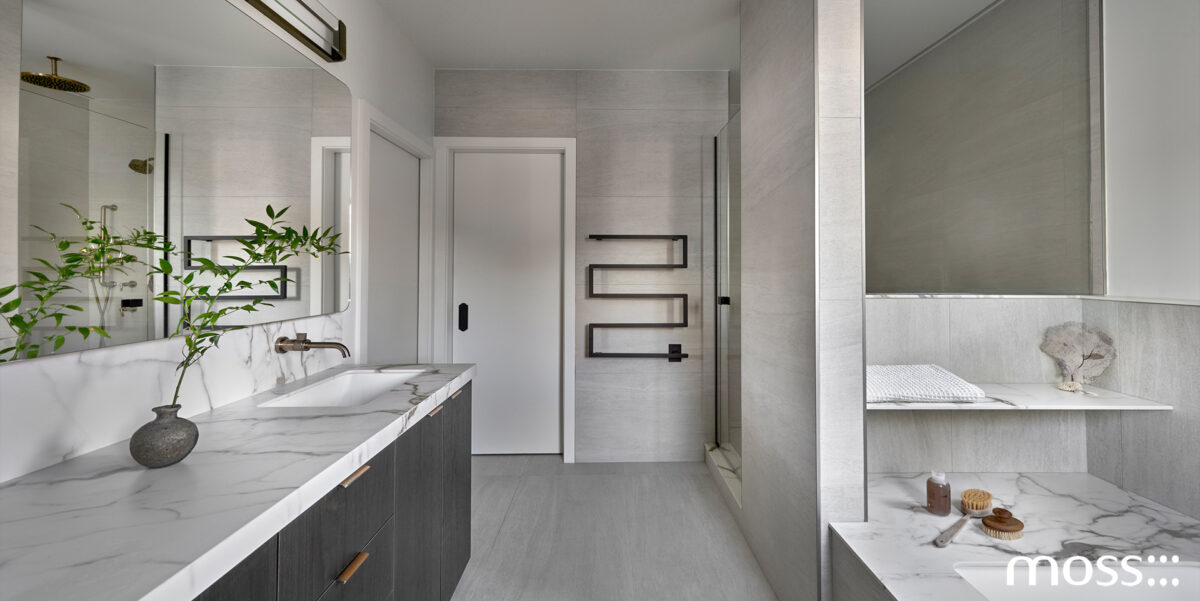
Planning a home remodel often starts with one big question: do you need an architect for a home remodel? While small cosmetic updates may only require a contractor, larger renovations, especially in Chicago’s older housing stock, benefit significantly from architectural planning. An architect for home remodel projects helps homeowners clarify scope, improve layout and flow, navigate permits, and make design decisions that add long-term value.
Renovating a home is exciting, but it’s also a process that requires time, decisions, and a lot of coordination. For smaller projects, like refreshing a bathroom or replacing kitchen countertops, a good contractor may be all you need. But once you move into more complex territory, like rethinking the footprint of your home, opening up multiple rooms, or creating indoor–outdoor connections, the smartest investment you can make is hiring an architect for home remodel projects.
And if you’re in Chicago and wondering whether you need an architect to guide your renovation, the short answer is almost always yes — especially when structure, layout, and long-term value are involved.
Contractors are essential, but managing them (and making every design decision yourself) can quickly become overwhelming. An architect ensures your project doesn’t just “get built,” but rather, is designed holistically to improve the way you live.
We’ve written extensively before about kitchen remodels and the renovation process. While all this information is vital knowledge for any homeowner rethinking their space, this guide focuses on when and why to hire an architect for remodel projects (spoiler: pretty much always), and what to consider before starting your home renovation, particularly here in Chicago.
When You Need an Architect for a Home Remodel
Many homeowners start a project believing they only need a contractor… until they realize the design decisions are overwhelming or the scope is larger than expected.
You likely need an architect for a home remodel if your project involves:
- Removing or relocating walls
- Adding onto your home
- Reconfiguring layouts
- Improving natural light, circulation, or flow
- Updating an older Chicago home with structural quirks
- Integrating indoor–outdoor living
At this point, design-first thinking becomes essential.
Why Working With an Architect for Home Remodel Projects Changes Everything
Solving Problems Holistically With Design
Even the most skilled contractor or interior designer can’t replace the value of design-first thinking. Architects are trained to see not only the immediate task at hand, but the big picture, all the way from how the space flows, how the structure supports it, and how the design will serve you over time.
Think of it this way: a contractor can take down a wall to give you a bigger kitchen. An architect will ask: Should this wall come down at all? Maybe the space works better by shifting circulation or opening up to the outdoors. That crawl space in your foyer you always ignored? An architect might turn it into a cozy reading nook. The backyard that feels disconnected from your living room? We design homes where interior and exterior spaces work together to increase usable living space
Take our Ravenswood Charred Wood & Glass Addition Project, for example. The home’s early-aughts expansion had severed its connection to the backyard, leaving interior spaces disjointed. Rather than simply replacing the existing addition, we reimagined the home’s overall layout, introducing a split-level design that connects a new family room, kitchen, and dining area. A folding glass NanaWall dissolves the boundary between indoors and out, creating an open, light-filled environment perfect for family gatherings. By addressing both layout and lifestyle, the home now feels larger, brighter, and better connected; all without expanding its footprint unnecessarily.
Beyond layouts, we also advise on fixtures and finishes, helping you select materials, appliances, and systems that balance budget, style, and durability. Where a contractor might focus on what can be installed, an architect helps you choose what should be installed for the best long-term results. Another reason for hiring an architect for home remodeling: it pays off in the long term.

Before and after photos of the Ravenswood renovation, an example of how we designed an indoor/outdoor connection with an expansive NanaWall system


Timeless Over Trendy — A Chicago Home Remodel Architect’s Perspective
Pinterest and Instagram are great for inspiration, but they’re also full of trends that can feel dated in just a few years. An architect brings a timeless perspective grounded in building codes, structural integrity, and design history – that ensures your remodel ages gracefully.
We consider:
- How finishes and materials perform over time.
- What styles feel authentic to your home’s architecture?
- Which design decisions protect or increase resale value?
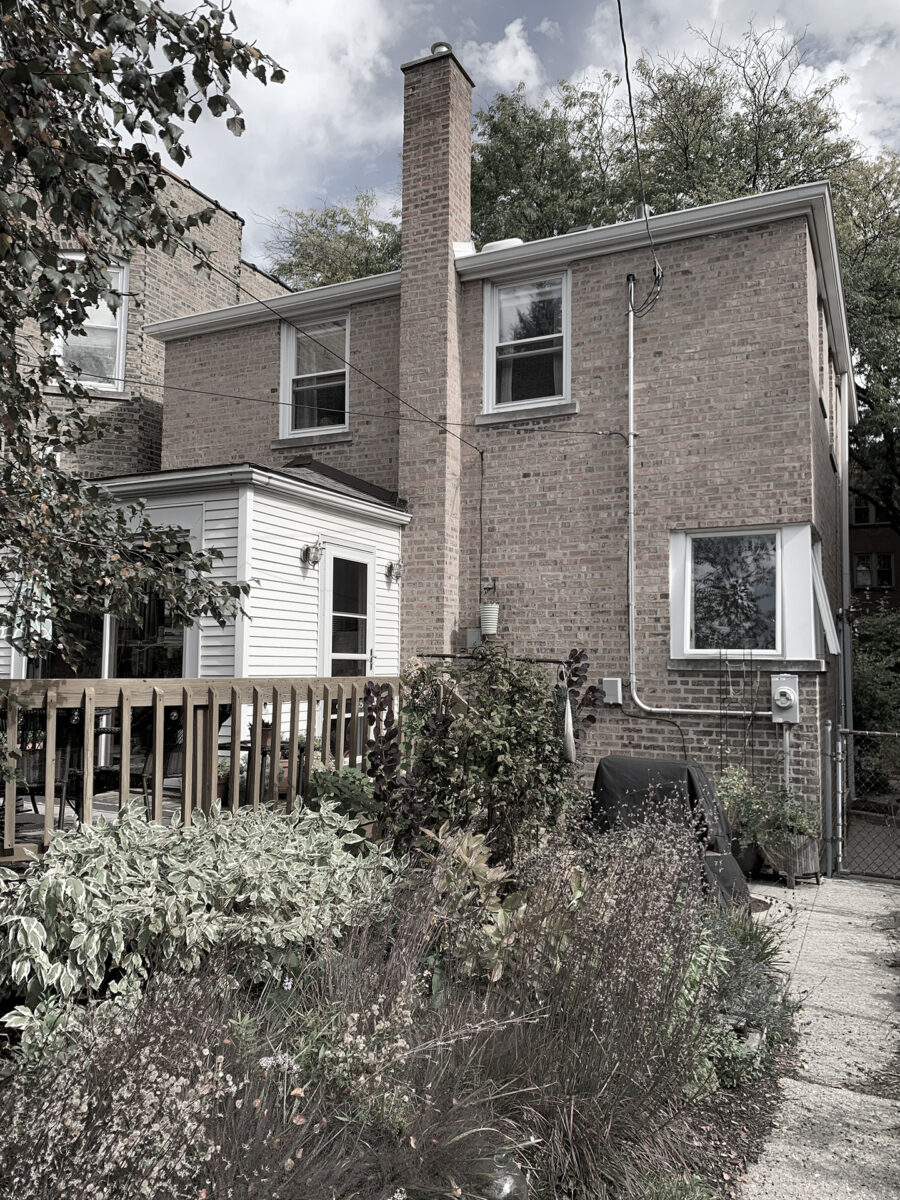
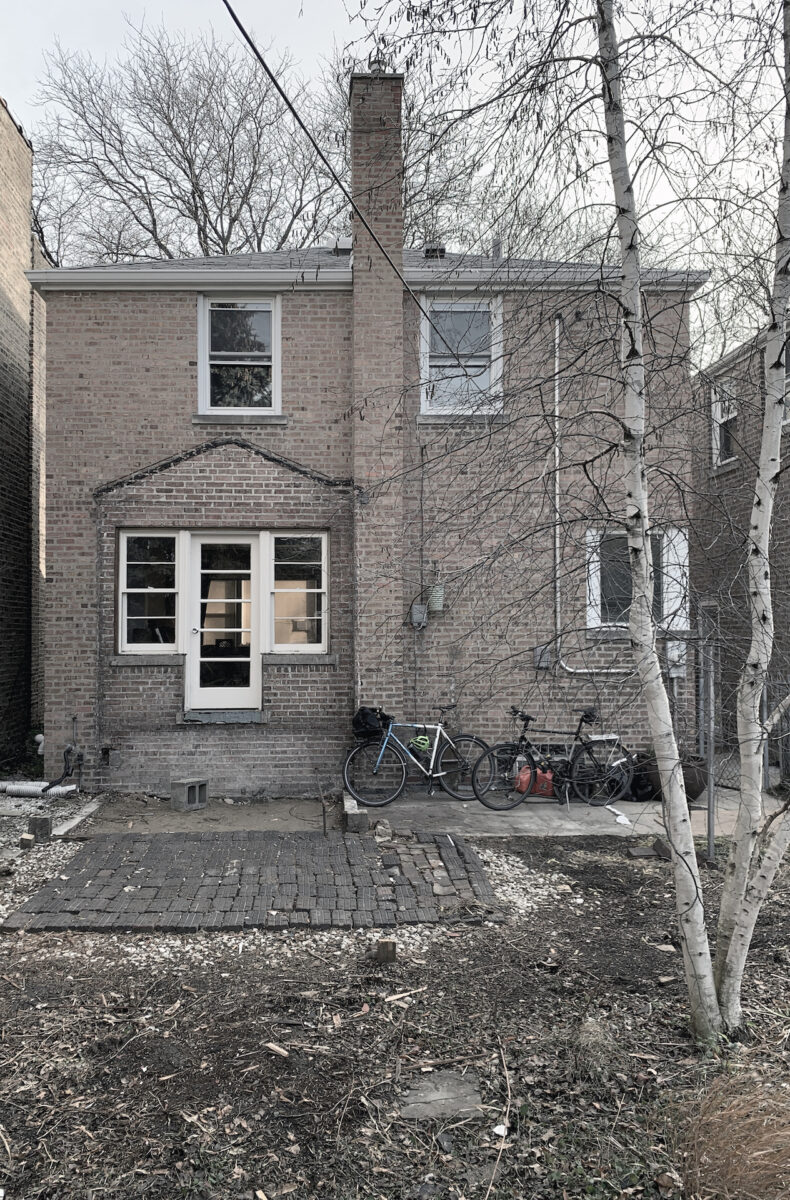
For instance, our Cedar Siding Home Renovation Project in Chicago balances natural warmth and modern design. We wrapped a 1940s Georgian Revival in curved cedar siding while preserving a beloved backyard birch tree, creating architectural harmony with the landscape. Natural materials like cedar and walnut millwork age gracefully, developing a patina that enhances the wood’s beauty over time. The result isn’t trendy; it’s timeless, grounded in craftsmanship and connection to place.
Instead of chasing fads, architects guide clients toward choices that look fresh now and endure for decades.


Before-and-after photos of the Cedar siding home renovation: we reconfigured the layout and redesigned the home’s functionality for this Chicago 1940s-era Georgian Revival home.



How an Architect Can Actually Save You Money During a Home Renovation
This is one of the biggest surprises for homeowners. Hiring an architect is often seen as an added cost, but in reality, a well-designed remodel can prevent costly mistakes, reduce unnecessary construction, and increase long-term value. It may sound counterintuitive, but investing in an architect can help you avoid overspending. Here’s how:
- Avoiding extraneous costs: By understanding your goals, an architect can design smarter within your existing footprint, reducing the need for unnecessary additions or costly structural modifications. Sometimes the right reconfiguration can make your home feel brand new without adding square footage.
- Increasing market value: A remodel guided by an architect often has higher resale potential. Modern layouts, updated finishes, and thoughtful design decisions not only improve your daily life but also boost your home’s appeal to future buyers.
- Alternative to moving: If you’re tempted to buy a larger home, working with an architect might give you the space you need right where you are, which saves you the cost of moving, new mortgages, and/or higher property taxes.
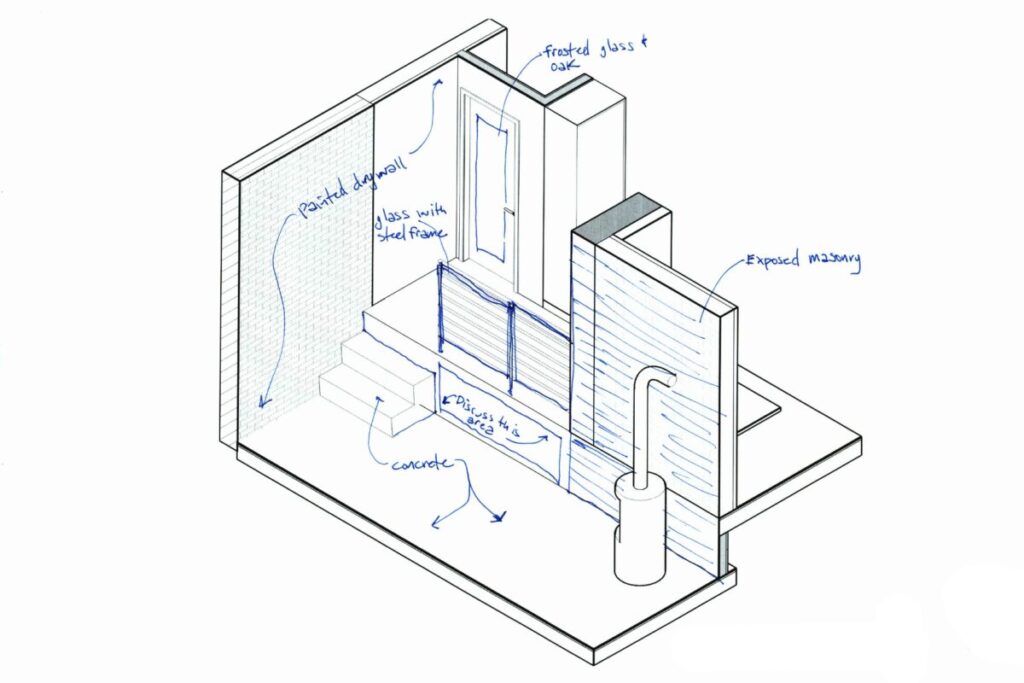
A great example of “doing more with what you have” is our Wicker Park Wine Enthusiast Retreat Project, where a modest 300-square-foot addition completely redefined the home’s functionality. If a contractor had been hired solely for this job, a major expansion would have been required to provide the family with the extra space it needed. We, however, created a welcoming entertainment space and a stronger connection to the garden by strategically lowering the basement floor, adding radiant heat, and connecting the interior to a new trellised balcony.
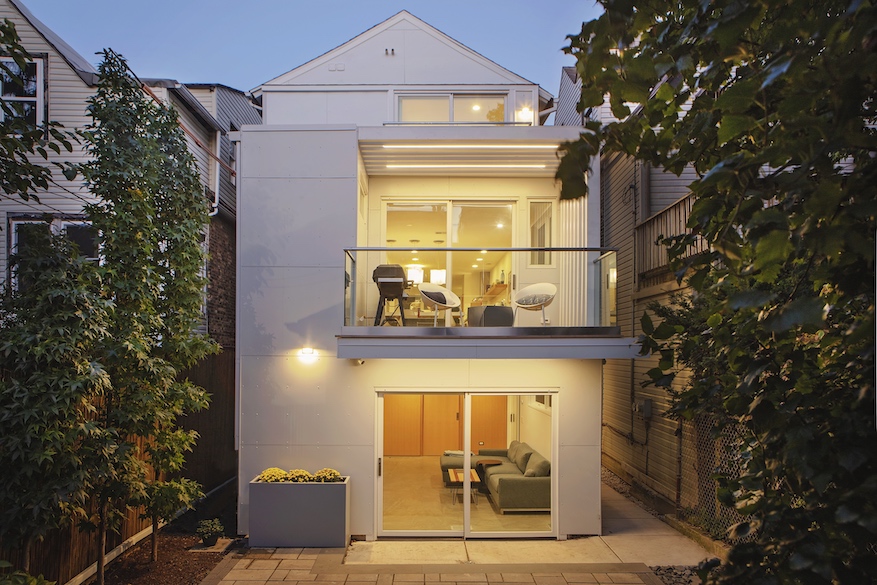
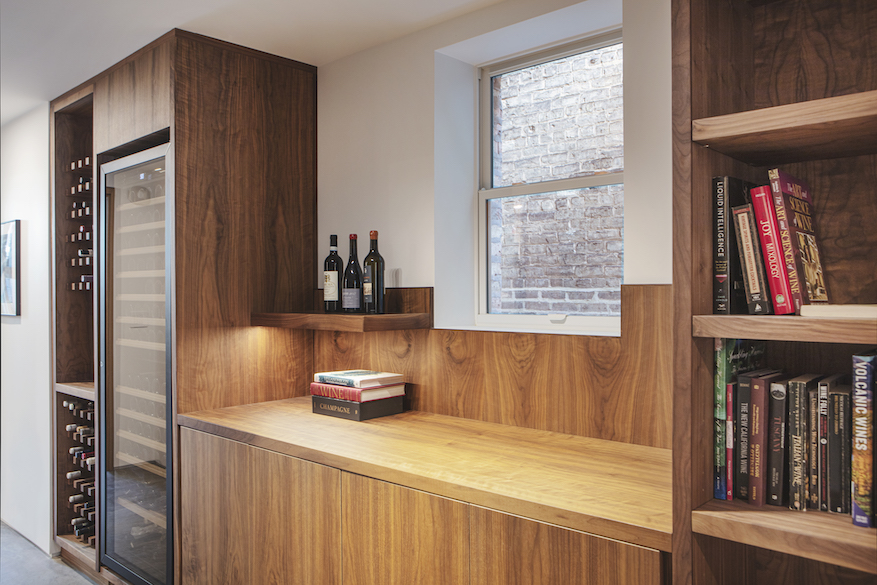

The renovation of the Wicker Park Wine Enthusiast Retreat improves access to the patio and adds a new upper deck, expanding how the home is used, while custom millwork provides integrated wine storage and a warm, cohesive interior.
Our Combining Condo Units Project is a similar story. In this project, rather than moving to gain more space, a family purchased the adjacent unit in their timber loft to create a new master suite. Through smart reconfiguration, we resolved complex floor height differences and structural barriers, designing custom stairs and a spa-like suite that felt like a brand-new home.
Architectural thinking helps uncover opportunities like these – elegant solutions that elevate your home and make financial sense.
A Keen Ear and a Glove-Like Approach: How an Architect Guides the Whole Remodel
Architects aren’t just designers; they’re your guide throughout planning and construction. The best architects listen deeply and translate your needs, lifestyle, and constraints into a home that fits you.
Beyond drawing plans, we:
- Manage contractors and coordinate consultants
- Keep the project on schedule and on budget
- Advocate for design integrity, ensuring the final result matches the vision you started with
This “tailored fit” is one of the biggest advantages of hiring an architect for home remodel projects; it enhances your daily experience of your home.
Remodel or Rebuild? An Architect Can Help You Decide — And Can Do Both
One of the biggest questions homeowners face is whether it’s smarter to remodel their current home or rebuild entirely. The answer depends on budget, goals, existing conditions, and emotional connection. Especially in a city like Chicago, where older homes may have structural surprises.
An architect can help you weigh both options objectively. Sometimes, a thoughtful remodel is the most cost-effective path, allowing you to adapt your home to your lifestyle without the expense of moving or rebuilding. Other times, if the structure is outdated, poorly built, or can’t support your long-term vision, new construction may actually save money in the long run.
Our Historic Workers Cottage project shows how a thoughtful renovation can bring a historic home into the present without compromising its character. The outdated rear addition – inefficient, dark, and mismatched – was removed and replaced with a new light-filled volume designed to strengthen the home’s relationship to its yard. By bringing the main family room and kitchen down to grade, the design creates a seamless indoor-outdoor connection, allowing everyday living to extend naturally into the landscape. At the same time, the street-facing facade of the workers’ cottage was meticulously preserved to honor the neighborhood’s historic fabric. The result is a residence that performs like new construction, offers a modern way of living, and still retains the authenticity and value of a protected landmark.
Unlike contractors who may focus solely on feasibility, architects provide a holistic cost-benefit analysis needed to make confident decisions. We consider the condition of the existing structure, zoning and code requirements, design potential, and resale value to guide you toward the choice that best aligns with your goals.

The Bottom Line
If you’re planning a remodel that goes beyond cosmetic updates, hiring an architect isn’t just worth it; it’s the key to getting the project right. From problem-solving and timeless design to budget control and long-term market value, an architect ensures your investment results in a home that’s more functional, beautiful, and valuable. And if you’re torn between renovating or starting fresh with new construction, an architect can help you weigh the options. We look at the condition of your current home, your goals, and your budget to determine whether a remodel makes sense — or if building new will serve you better in the long run.
So before you pick paint swatches or call a contractor, take the step that sets your project up for success: talk to an architect for guidance on your home remodel.
Frequently Asked Questions About Hiring an Architect for a Home Remodel
Do I really need an architect for my home remodel?
If your project involves reconfiguring space, adding to your home, or improving structure and flow, then yes, an architect is essential. We think holistically about light, circulation, materials, and long-term value to ensure your remodel is cohesive and functional. For minor updates such as replacing cabinets or fixtures, a contractor may be enough, but anything beyond cosmetic changes benefits from architectural design thinking.
What can I generally expect from the process?
Working with an architect at moss Design begins with a conversation to understand your goals and confirm a shared design vision. From there, we assess existing conditions, develop design concepts, refine them into detailed drawings, and support you through construction to ensure the final result aligns with the plan. For a deeper look at each step, this piece we wrote goes more into depth.
What does an architect actually do during a home renovation?
Architects design, coordinate, and problem-solve. We develop plans that meet your goals, navigate building codes and permits, manage consultants, and ensure construction aligns with the design intent. Beyond drawings, we’re your advocate throughout the process — translating ideas into spaces that feel intentional and livable.
Is hiring an architect for a renovation expensive?
It can feel like an upfront cost, but architects often save you money in the long run. We help avoid unnecessary construction, design efficiently within your footprint, and select durable materials that perform over time. Smart design decisions made early prevent costly mistakes later — and typically increase your home’s resale value.
What’s the difference between an architect and a contractor?
A contractor builds; an architect designs and oversees the big picture. A contractor can construct what’s on a plan, but an architect creates the plan, ensuring the result is beautiful, functional, and structurally sound. Ideally, both work together to bring your vision to life.
When should I hire an architect during the remodeling process?
Bring an architect in as early as possible, ideally before you engage a contractor. Early involvement allows us to explore options, guide your budget, and ensure the design fits your goals before construction begins. This prevents scope creep, delays, and redesigns down the line.
Can an architect help me decide whether to remodel or rebuild?
Absolutely. Architects analyze your home’s structure, zoning limits, and long-term goals to determine whether a remodel or new build makes more sense. Sometimes a thoughtful renovation delivers all the benefits of new construction without the cost or environmental impact of starting over.
Does hiring an architect increase my home’s value?
Yes, well-designed homes hold and often increase their market value. Buyers recognize quality layout, natural light, and durable materials. A renovation guided by an architect tends to feel more cohesive and timeless, which translates directly into higher resale appeal.
Why is it often a good idea to start with a master plan?
Starting with a master plan is often the smartest decision because it gives you clarity before you commit to major design or construction costs. Through early conversations, zoning research, program development, site analysis, and multiple design options, a master plan identifies what’s possible, what it will take, and what it will cost, allowing you to make informed decisions. This “diagnosis before design” approach ensures your project begins on the right track, aligns with your goals, and avoids costly missteps later. For a deeper breakdown of the process, see the article we wrote.