As cities like Chicago continue to grow more dense and their people become more environmentally conscious, architects are increasingly looking to the natural world for design intelligence. One of the most compelling movements shaping contemporary practice is biomimicry, a design philosophy that studies nature’s forms, systems, and processes to solve human challenges. At moss Design, this approach aligns seamlessly with our commitment to sustainability, performance, and thoughtful design. By embracing biomimicry in architecture, architects and designers are creating buildings that are not only visually striking but also resilient, efficient, and deeply connected to their surroundings. This evolution toward nature-inspired architecture is a part of our ethos at moss Design, and reflects a broader cultural shift, embracing nature’s beauty and strength to create spaces that are truly inspired.
What is Biomimicry? Hint: It’s More Than Houseplants
At its core, biomimicry is the practice of learning from and emulating natural ecosystems to address human design problems. In architecture, this can mean studying how natural organisms regulate temperature, manage water, optimize structure, or adapt to environmental stressors—and translating those observations into designs that reflect the graceful ebbs and flows of the world around us.
When applied thoughtfully, biomimicry in architecture extends far beyond surface-level aesthetics and provides the foundation for how the home or building functions. It informs how a building breathes, cools, and heats itself, collects and expends energy, and responds to seasonal changes. For example, while termites in your home are the last thing you want, their surprisingly sophisticated mounds naturally regulate internal temperature and have inspired modern passive ventilation systems. The structures of animal skeletons and thick forests of trees have influenced the design of structural frameworks that are lightweight but incredibly strong. These influences from nature help architects design buildings that consume fewer resources, making a smaller impact on the natural world around them.


Biomimicry Examples in Action
Some of the most celebrated sustainable projects around the world demonstrate how powerful this approach can be. Frequently celebrated biomimicry examples include the Eastgate Centre in Harare, Zimbabwe, which uses the aforementioned passive cooling inspired by termite mounds to dramatically reduce energy consumption. Another popular biomimicry example is the Beijing National Aquatics Center, whose bubble-like façade draws inspiration from the molecular structure of soap bubbles to optimize light diffusion and structural efficiency.
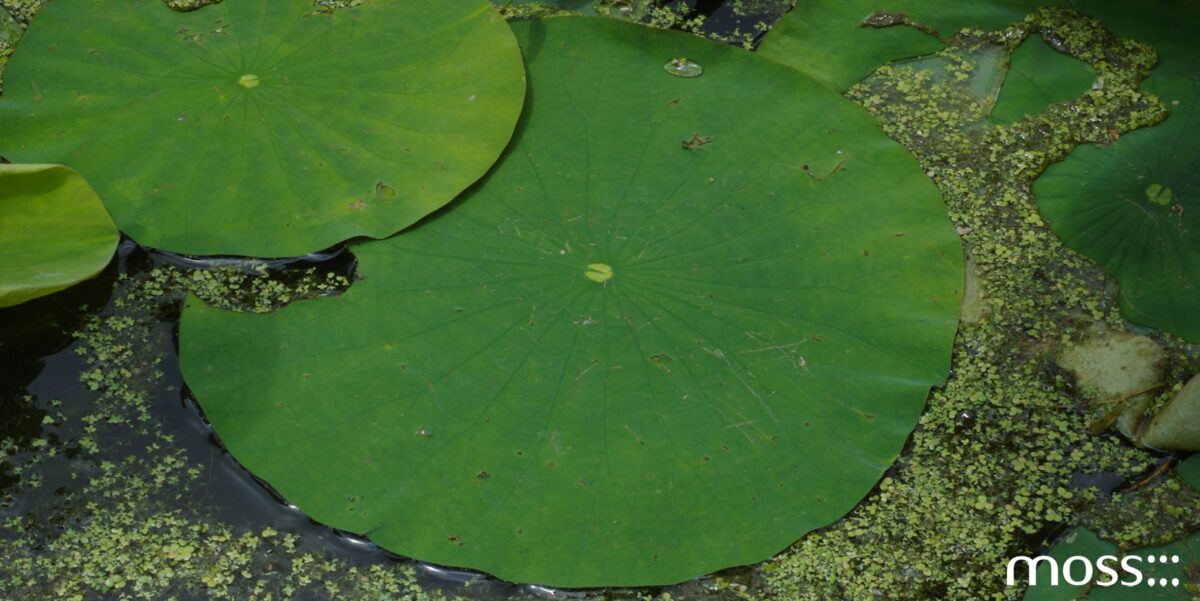
Additional biomimicry examples appear in structural systems modeled after plant leaves that maximize solar gain while minimizing heat load. They also appear in rainwater management systems inspired by forest floors that absorb, filter, and slowly release water. In each case, biomimicry offers proven strategies that millions of years of evolution have tested and refined. This allows architects to skip trial-and-error experiments and utilize solutions that are guaranteed to work.
As sustainability standards become more stringent, architects increasingly value biomimicry not as a novelty but as a rigorous methodology. It represents a research-driven design approach that supports long-term environmental responsibility for one-of-a-kind projects and personal homes alike.
Antoni Gaudí and Early Nature-Inspired Innovation
Long before the term was formally defined, some architects intuitively practiced principles aligned with biomimicry. Few figures exemplify this better than acclaimed architect and designer Antoni Gaudí. While he worked in the late 19th and early 20th centuries, his projects are often cited as early milestones in the nature-inspired architecture scene. The flowing forms, organic structures, and structural logic found throughout Antoni Gaudi buildings reveal a deep study of natural geometry and growth patterns.
In projects such as the unfinished but no less stunning Sagrada Família, Gaudí used catenary arches and branching columns modeled after trees, distributing loads in ways that mirror natural systems. These design strategies, visible across many Antoni Gaudi buildings, demonstrate an intuitive understanding of efficiency and structure rooted in observation of nature rather than rigid classical rules. His work continues to influence contemporary architects exploring biomimicry in architecture, particularly those seeking expressive forms that remain structurally and environmentally sound.
By studying Antoni Gaudi buildings, modern designers can see how nature-driven logic can coexist with artistry, an idea that remains central to sustainable architectural practice today.

Applying Biomimicry to Contemporary Urban Design
In dense urban environments like Chicago, biomimicry offers practical solutions to challenges such as heat islands, stormwater runoff, and energy demand. Green roofs that function like meadows, façades that open and close in response to sunlight, and structural systems inspired by cellular geometry all contribute to buildings that behave more like living organisms.
At the city scale, biomimicry in architecture encourages designers to think in systems rather than isolated objects. Buildings become part of an ecological network, interacting with wind patterns, water cycles, and surrounding landscapes. This systems-based thinking aligns well with the values of firms like moss Design, where architects integrate sustainability from concept through construction rather than applying it as an afterthought.
Incorporating Biomimicry Principles at Home
Prospective home builders don’t need to commission landmark projects to benefit from these ideas. Having an understanding and interest in biomimicry, even at a basic level, can inform smarter residential design choices. Simple strategies include orienting a home to maximize natural daylight and ventilation, much like organisms that position themselves for optimal energy intake. Materials that mimic natural insulation, like layers of fallen leaves or a tree’s dense bark, can improve comfort while reducing energy use.
Landscaping is another very accessible entry point to nature-inspired architecture. Rain gardens that function like wetlands, shading systems inspired by tree canopies, and natural ventilation paths modeled after breezeways all reflect biomimicry principles at a domestic scale. Homeowners can use this methodology not just as a stylistic choice, but as a way of thinking that prioritizes harmony with local climate and ecology. When we ask ourselves, “What is biomimicry?” the answer can be scaled and proportioned to our individual needs and resources.
As interest grows, biomimicry in architecture is becoming more approachable through collaborations between architects, builders, and clients who value sustainability. Even modest projects can integrate these concepts to create healthier, more efficient living environments.

Looking Around to Look Ahead
As climate challenges intensify, biomimicry will continue to shape the future of sustainable design. By learning from natural systems that have already solved many of the problems we face, architects can create buildings that are adaptive, efficient, and inspiring. From the enduring lessons found in Antoni Gaudi buildings to cutting-edge contemporary projects, the influence of nature remains one of the most powerful tools available to modern architecture, especially for forward-thinking firms like moss Design in Chicago. Contact our office today to learn more about how to bring these concepts into your project.