This Queen Anne single-family renovation began with a simple goal from our clients: restore the home, expand its livable area, and bring in modern amenities without erasing its history. It was originally configured as a two-flat, with one apartment on the first floor and another above. The house retained the proportions and ornamental detailing of its era, but it didn’t support daily living, and the rear elevation was underutilized. Our design reconnected the two levels, transforming the building into a single-family home with a primary suite, strengthening the envelope, expanding the footprint where necessary, and allowing old and new to coexist with clarity.
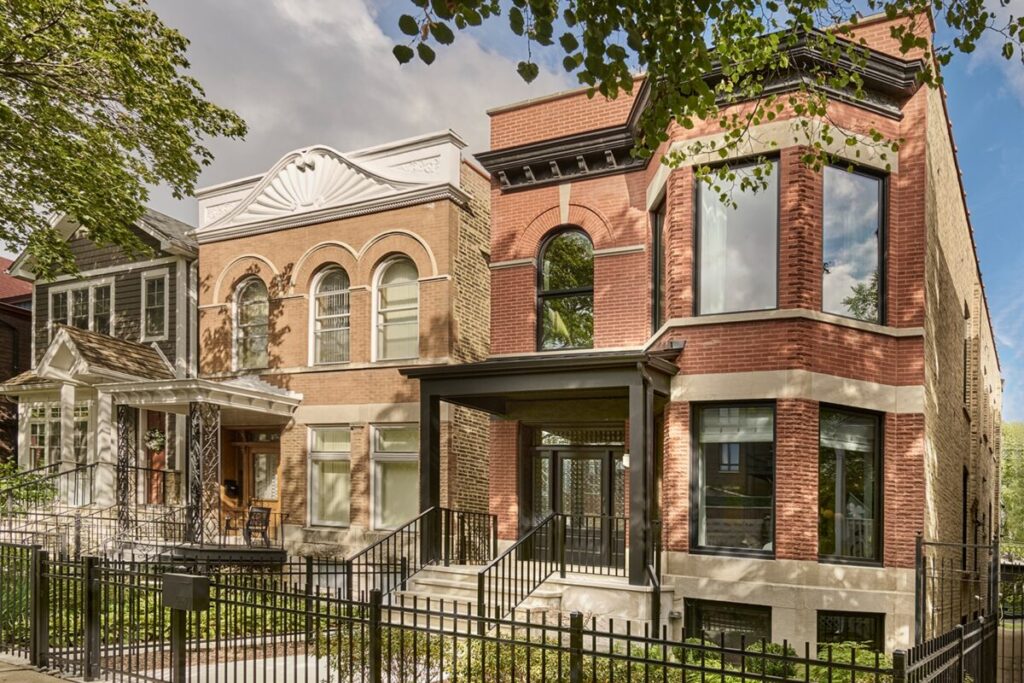
At the front facade, we preserved the home’s scale while upgrading its performance. New windows replaced the original ones, including a custom arched-top unit that replicates the profile of the historic window it replaces. Brick was carefully tuckpointed to stabilize and refine the masonry. A new porch, with a limestone staircase and topped with a metal roof, re-establishes an entry sequence while introducing durable, modern materials.
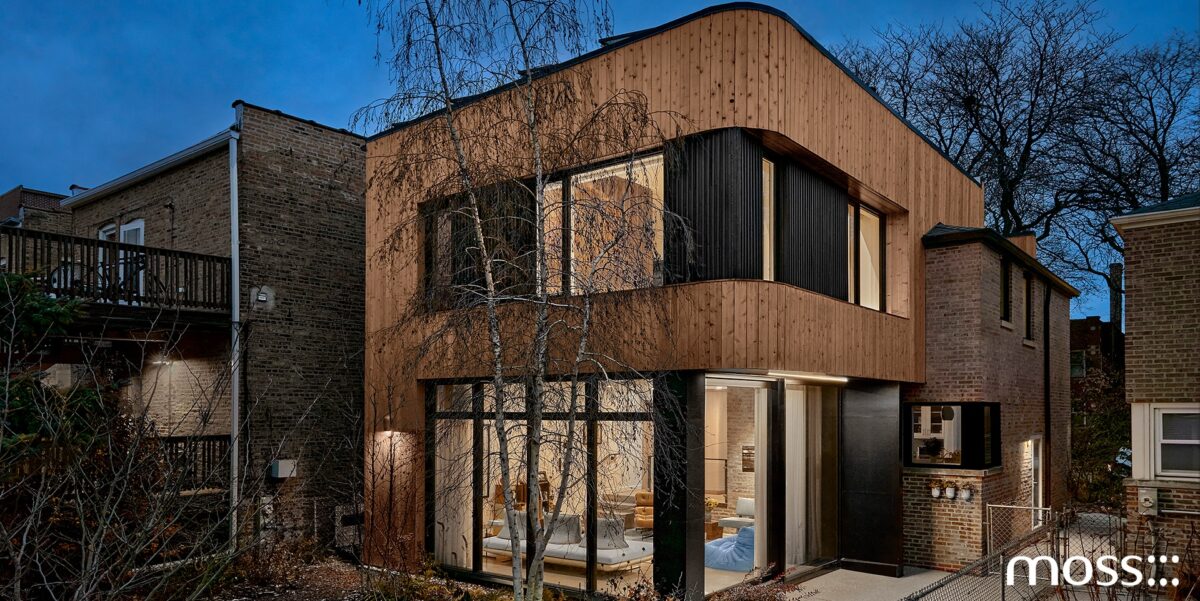
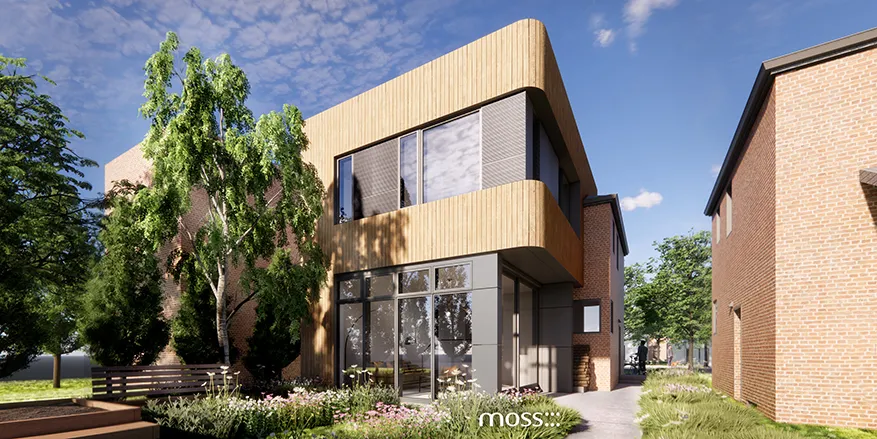
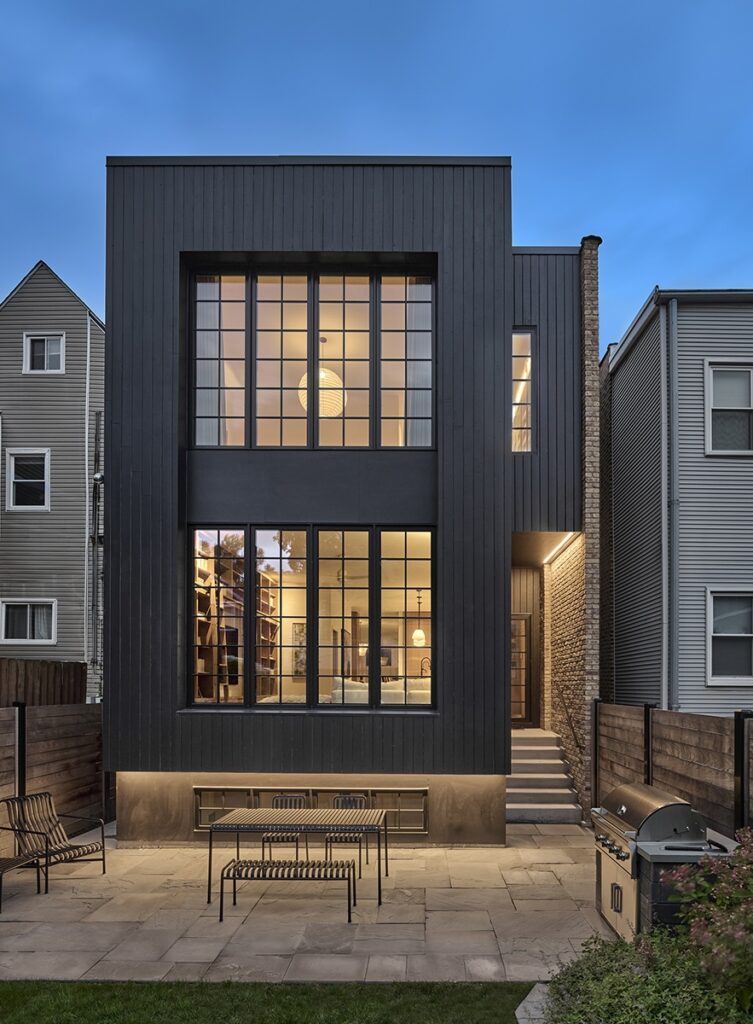
At the rear, we removed the deteriorated porch and replaced it with an extension. The new volume extends the first-floor family room and introduces a primary suite above. This adds square footage while maintaining proportional alignment with the existing massing. The result is a home that performs as well as it reads: historically grounded, spatially generous, and constructed for long-term use.
Front Exterior Restoration and Entry Experience
A Rebuilt Porch with Contemporary Craft
The front exterior restoration focused on recalibrating the home’s presence on the street while improving its overall building performance. The original porch was carefully rebuilt as a modern interpretation of its historic proportions, with detailing that feels refined and clearly of its time.
Energy-efficient windows were installed in the existing openings to improve thermal performance without altering the facade’s rhythm. Brick tuckpointing restored depth and shadow to the masonry, reinforcing the craftsmanship embedded in the original structure. Above, a metal standing-seam roof adds durability and a subtle sheen that shifts with the light. At the entry, a custom limestone staircase anchors the composition, acting as a grounding architectural element.
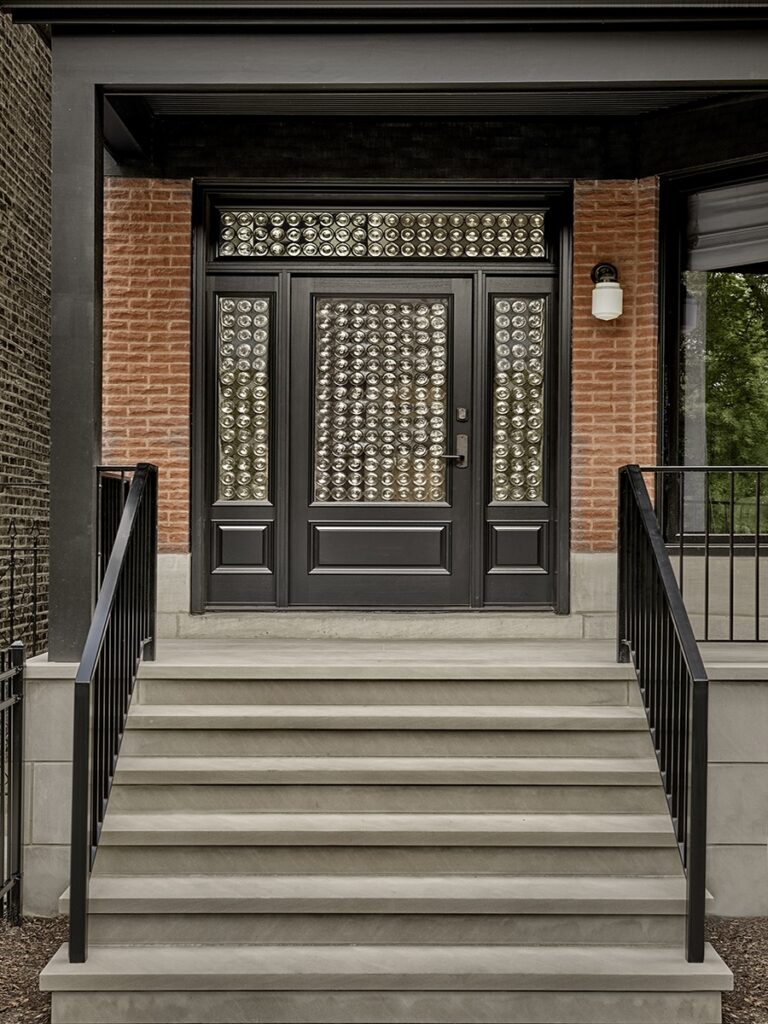
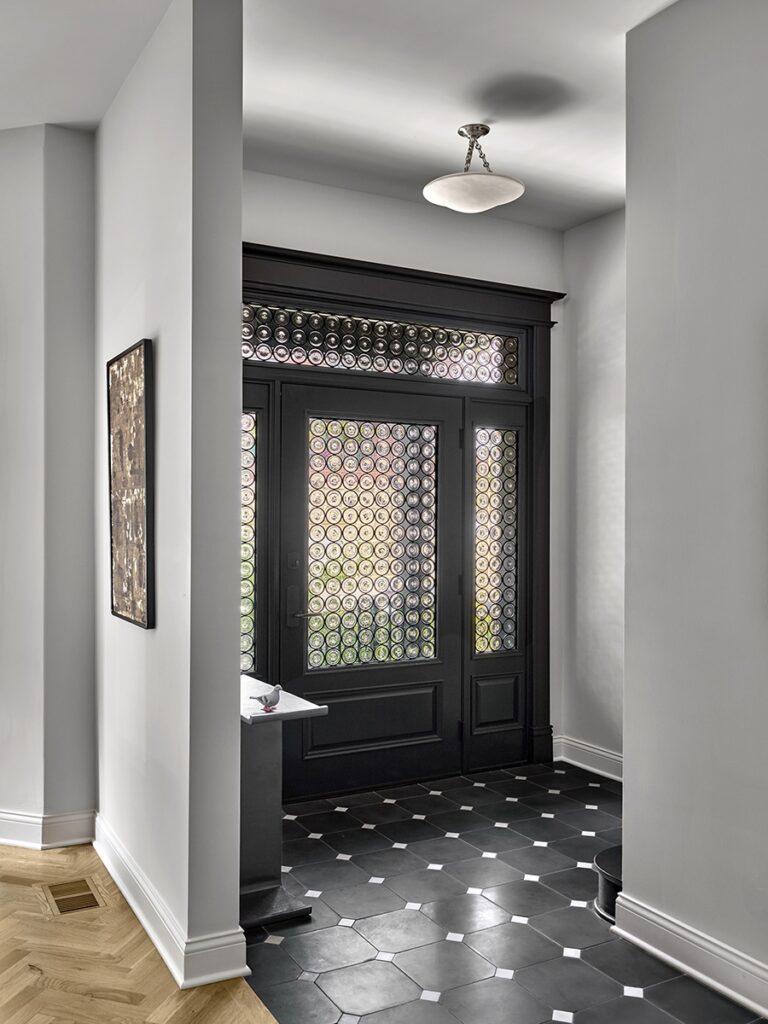
Custom Arch-Top Window and Crown Glass Entry Door
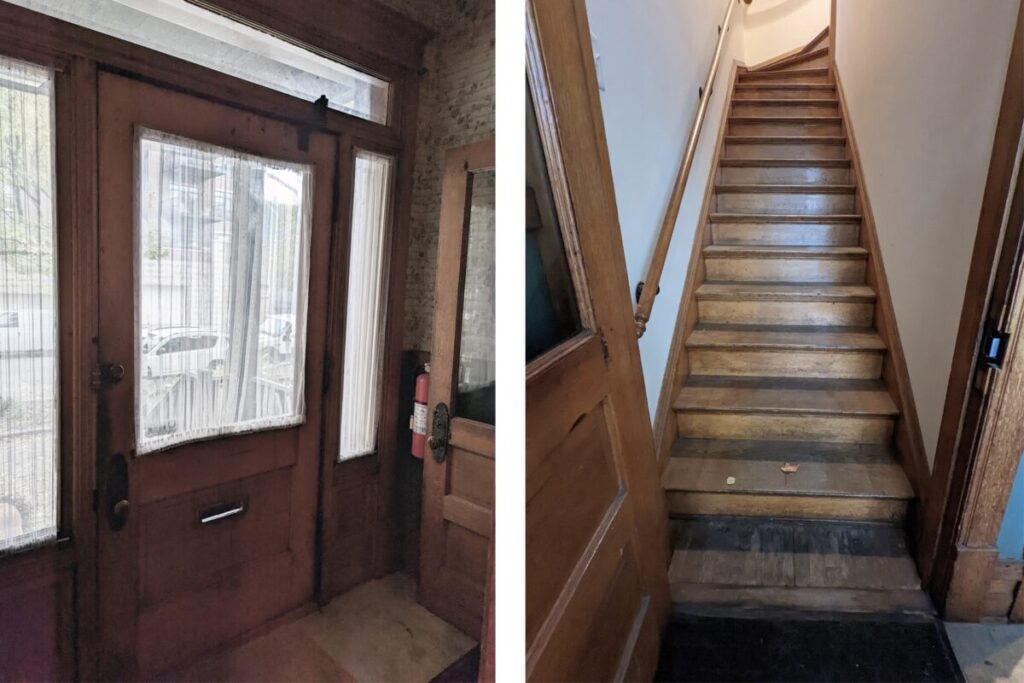
The new front door is topped with an arch-top window designed to match the original opening historically, and incorporates crown glass, also known as rondel glass. The glass is made by blowing molten glass into a globe, then spinning it into a disc. Crown glass creates a slightly irregular surface, with subtle visual distortions that shift with the light, creating visual depth. It also acts as a beautiful privacy screen. Choosing crown glass here was a way to bridge old-world craftsmanship with modern detailing.
Photography by Soluri Photography
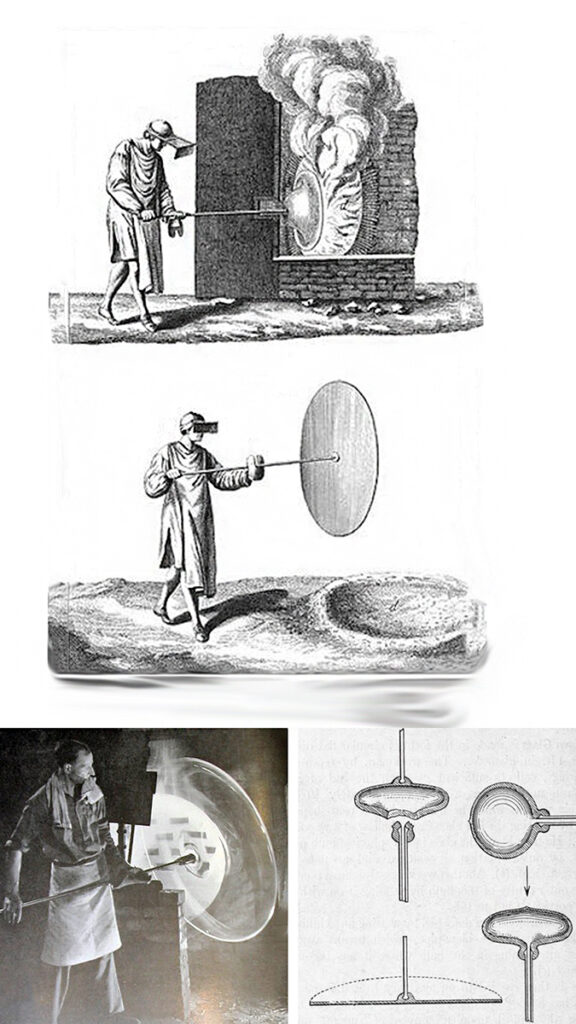
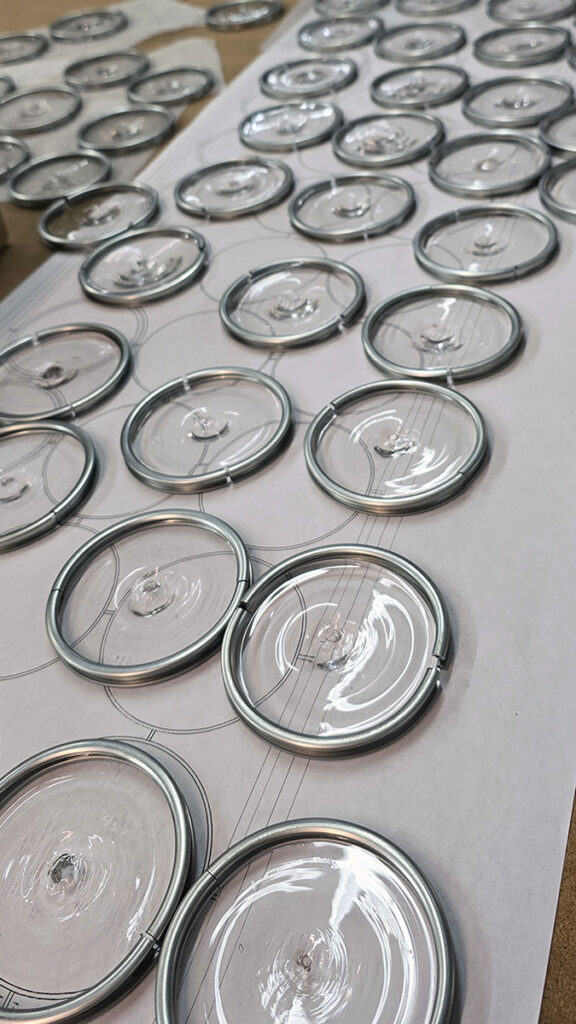
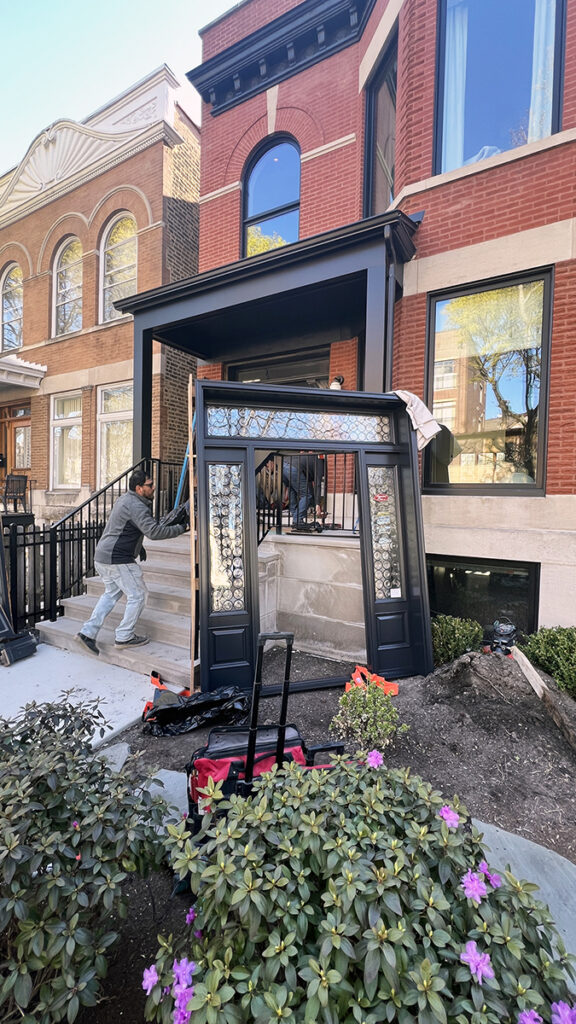
From left to right: historical references of traditional glass blowing, the finished rondel pieces in the studio, and installation day on site.
Removing the Old Porch to Create Real Space
The original rear porch had reached the end of its lifespan. It was removed and replaced with a fully integrated addition that extends the first-floor family room and enlarges the second-floor primary suite. This intervention transformed how the family occupies the home. The rear is now connected to the outdoors and is part of daily life rather than an afterthought.
Interior Architecture and Custom Details
A Kitchen Designed for Daily Use
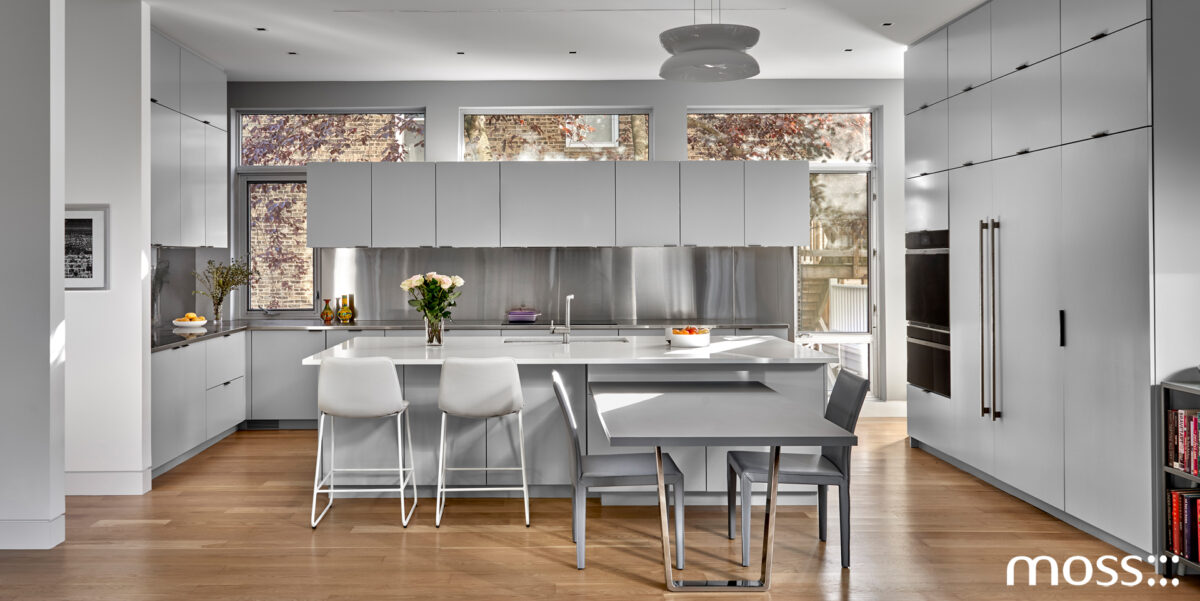
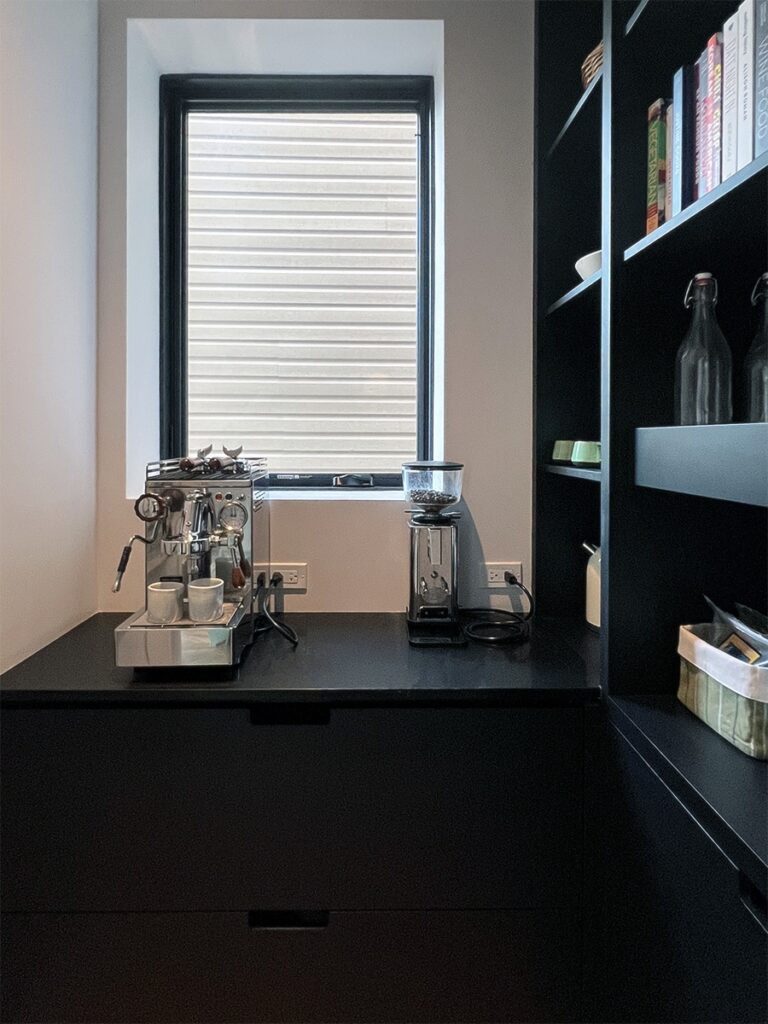
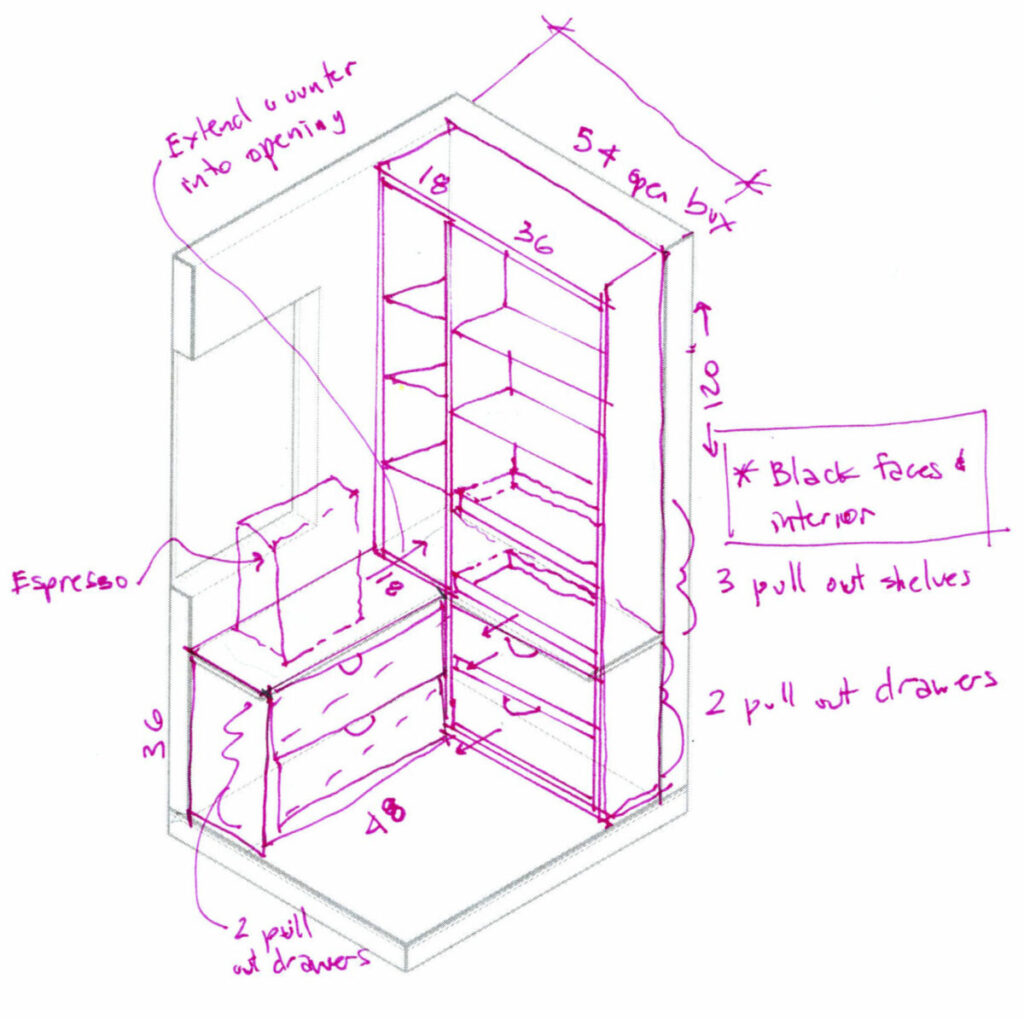
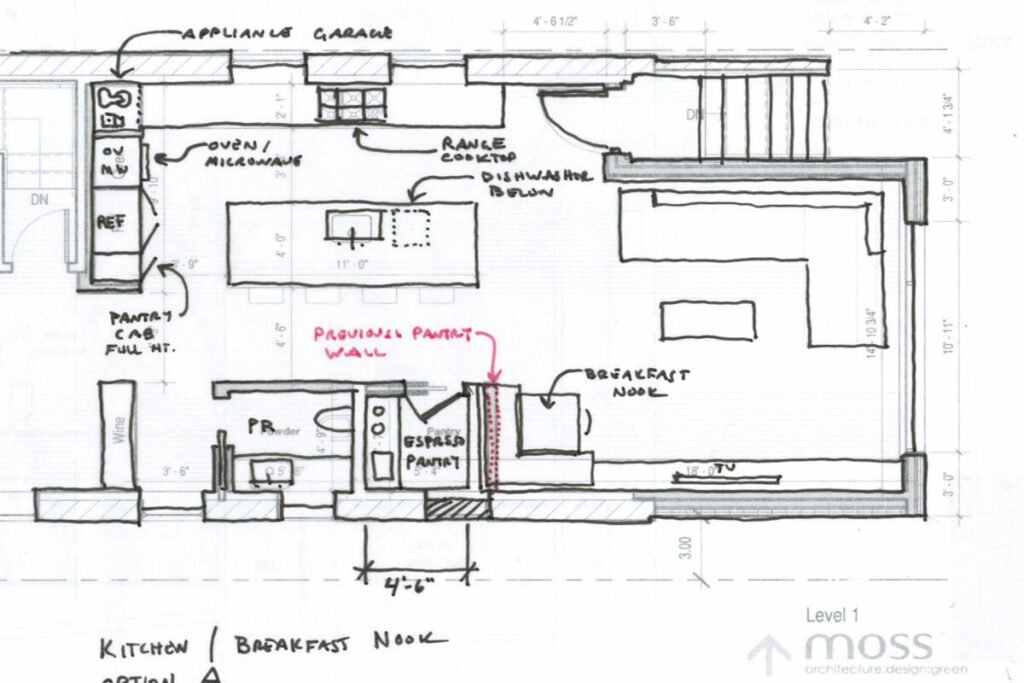
We designed the kitchen as a working system, organized around movement, access, and routine. A butler’s pantry with a dedicated espresso and coffee lovers’ station keeps the inevitable morning chaos slightly contained while still feeling connected to the main space. The layout follows daily workflow, allowing prep, cooking, and hanging out to overlap comfortably.
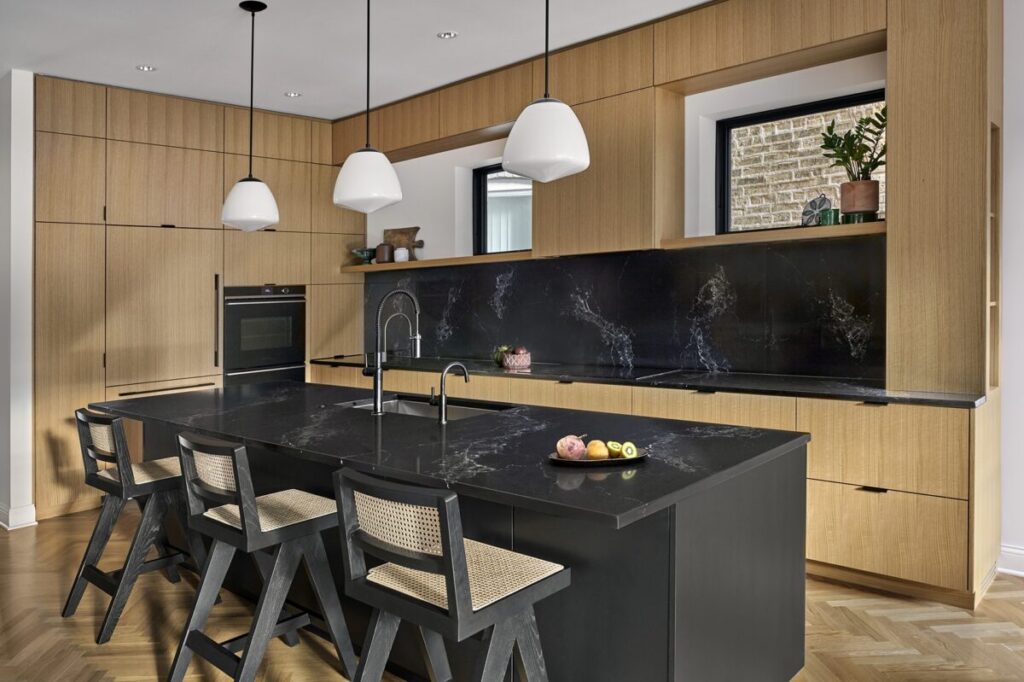
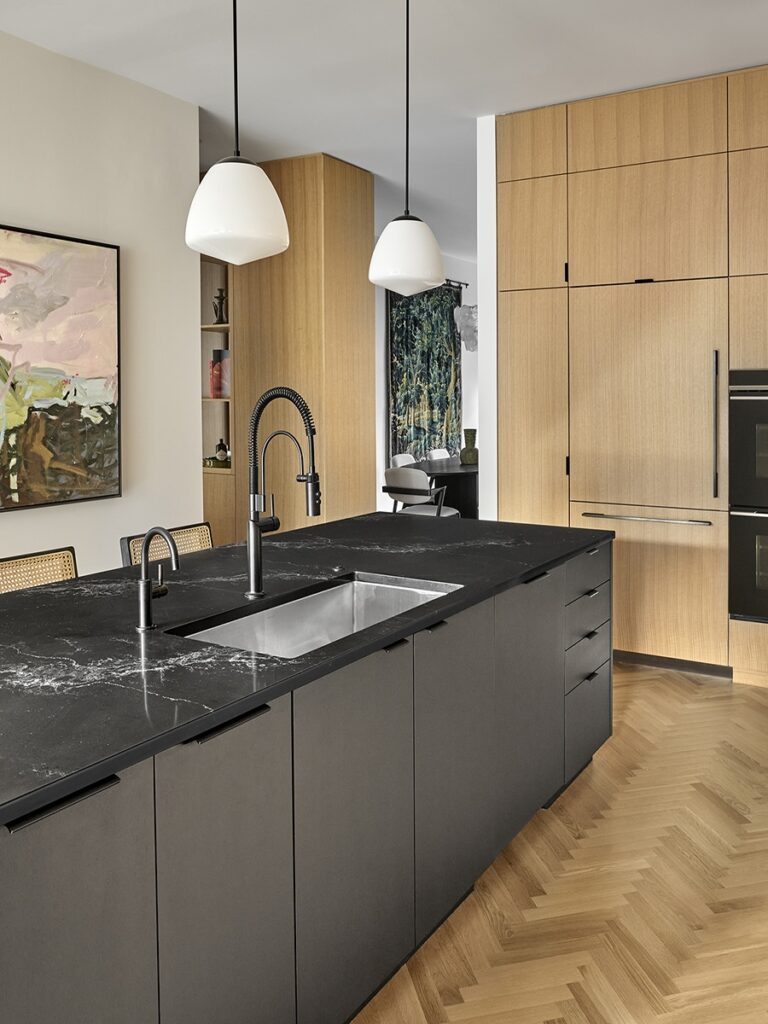
At the center, the island takes on a more defined presence. Lovingly nicknamed the “All Black® / Darth Island®,” it features black-painted oak base cabinetry, a black stone countertop, matte black plumbing fixtures, and custom stools to match. The palette establishes a focal point through material continuity instead of ornament. The island supports circulation, gathering, and daily routine without visual excess. Photgraphy by Soluri Photography
Pictured below: Extending All Black® material into the butler’s pantry, alongside a millwork sketch for the coffee lovers’ station.
Family Room Library Wall
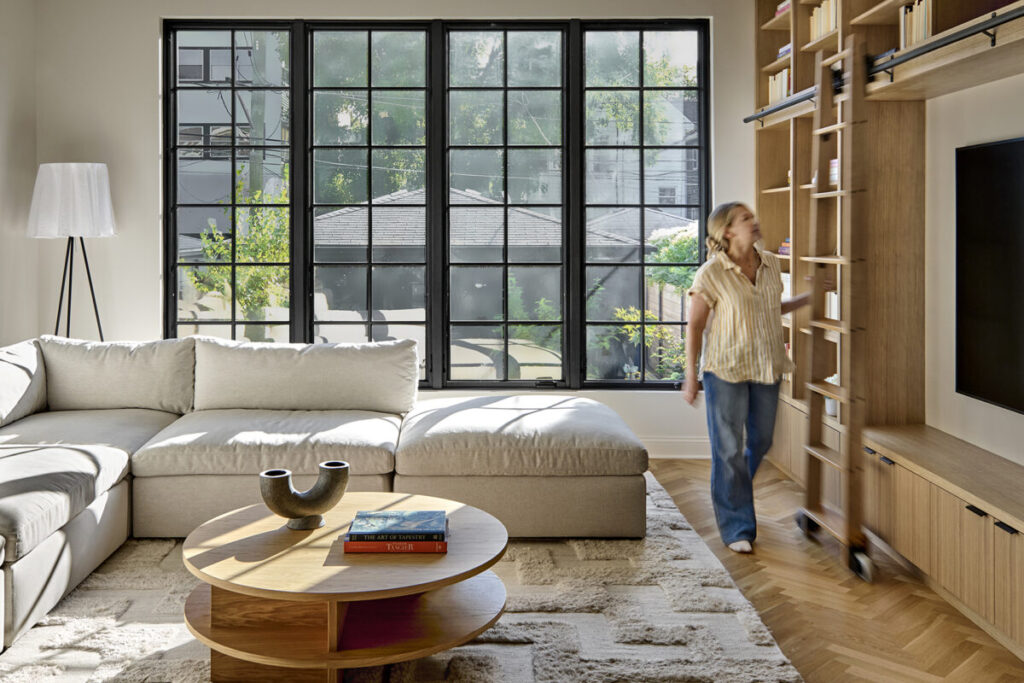
In the family room, a full-height library wall acts as built-in furniture rather than background millwork. Shelving stretches upward, paired with a fun, integrated rolling ladder that makes the vertical scale usable and just a little romantic.
White Oak Herringbone Wood Flooring
Throughout the main level, white oak herringbone flooring runs continuously underfoot. The pattern adds warmth, texture, and a subtle sense of formality, bridging old-world references with the home’s modern interior language.
Retaining the Original Rail
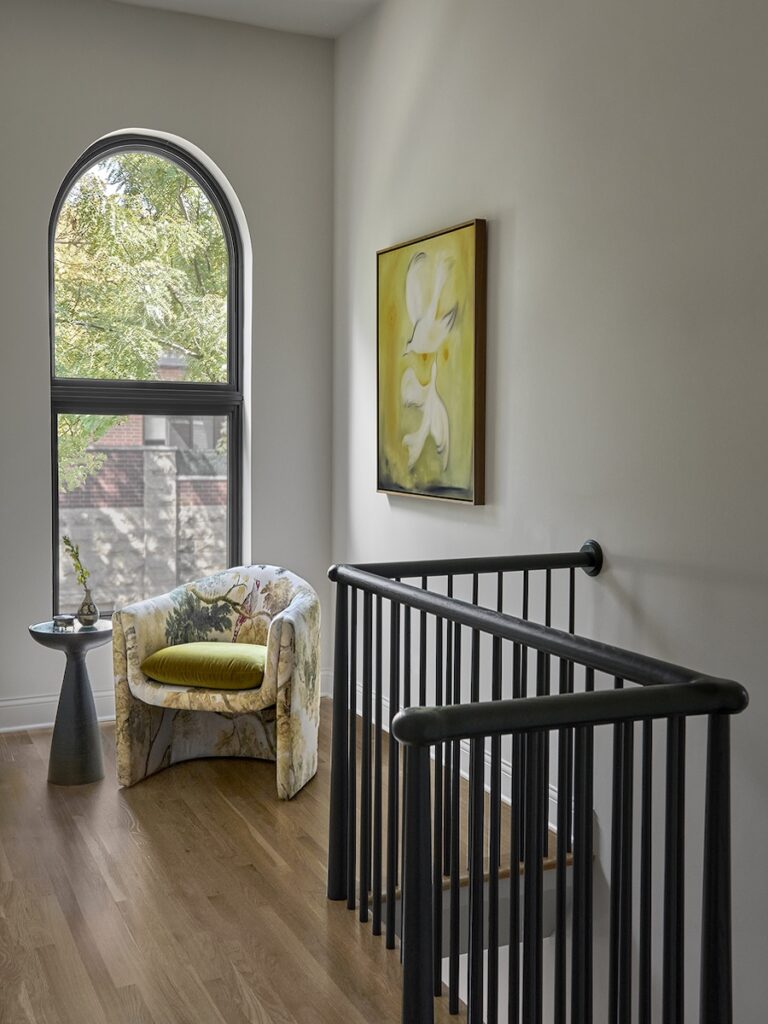
We approached the stairs with the same mindset. Rather than replace it, we reclaimed, sanded, and repainted the original handrail, preserving a piece of the home’s history. The stairs do more than provide circulation; they create a visual thread between floors and help the house feel connected as you move through it. We considered each element not in isolation, but as part of a larger interior framework.
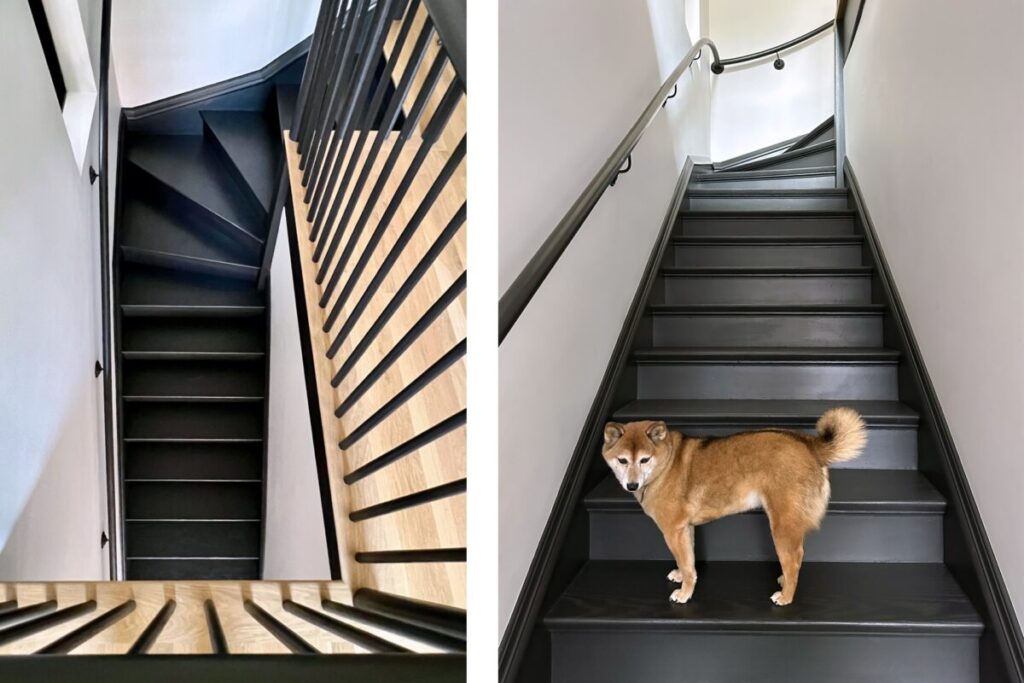
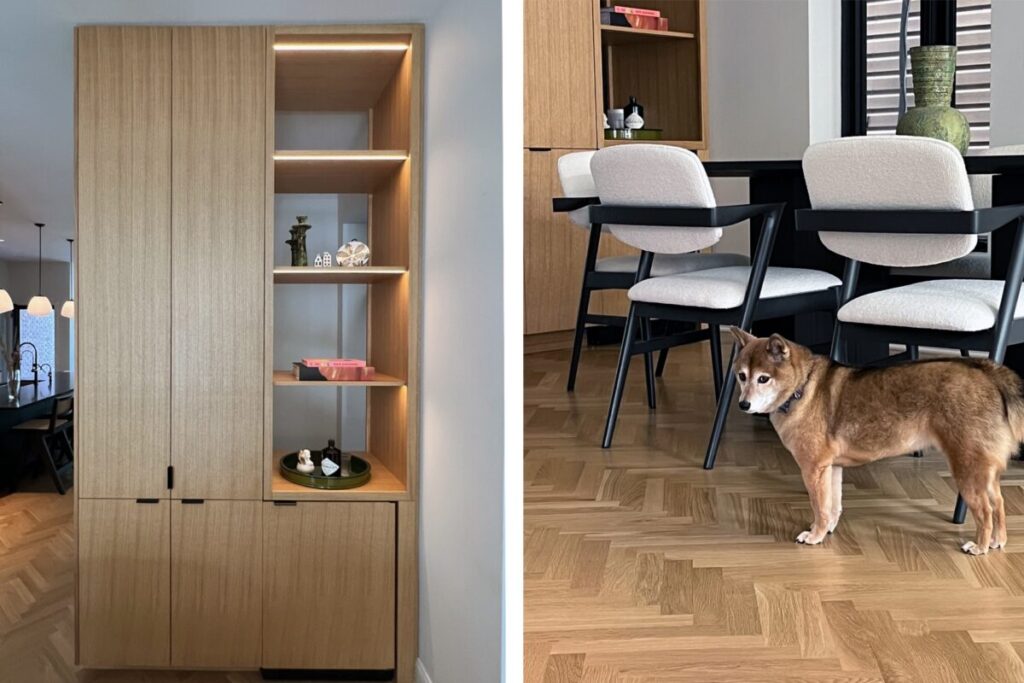
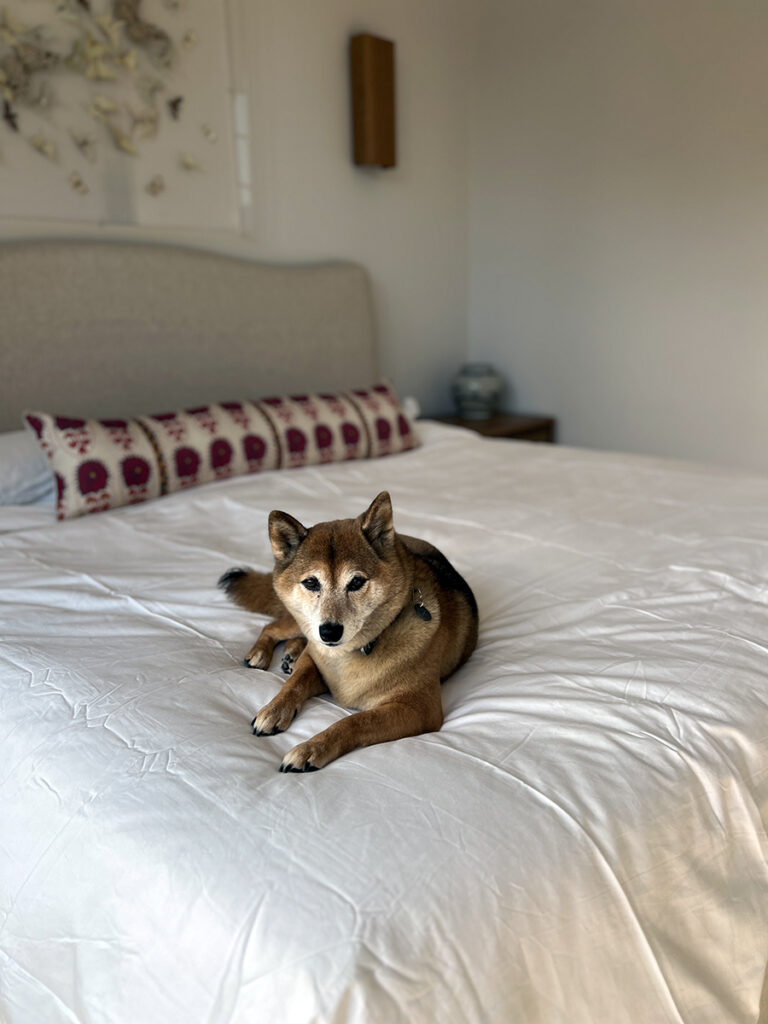
An all-black material palette carries through the house and into the stairs. Below: custom millwork provides storage and creates a subtle separation between the kitchen, family room, and dining room. The family pup was keeping us in check and holding a perfectly committed stink-eye for the entire shoot…good dog.
Primary Suite and Serpentine Stone Spa Bath
A Venetian Spa Oasis
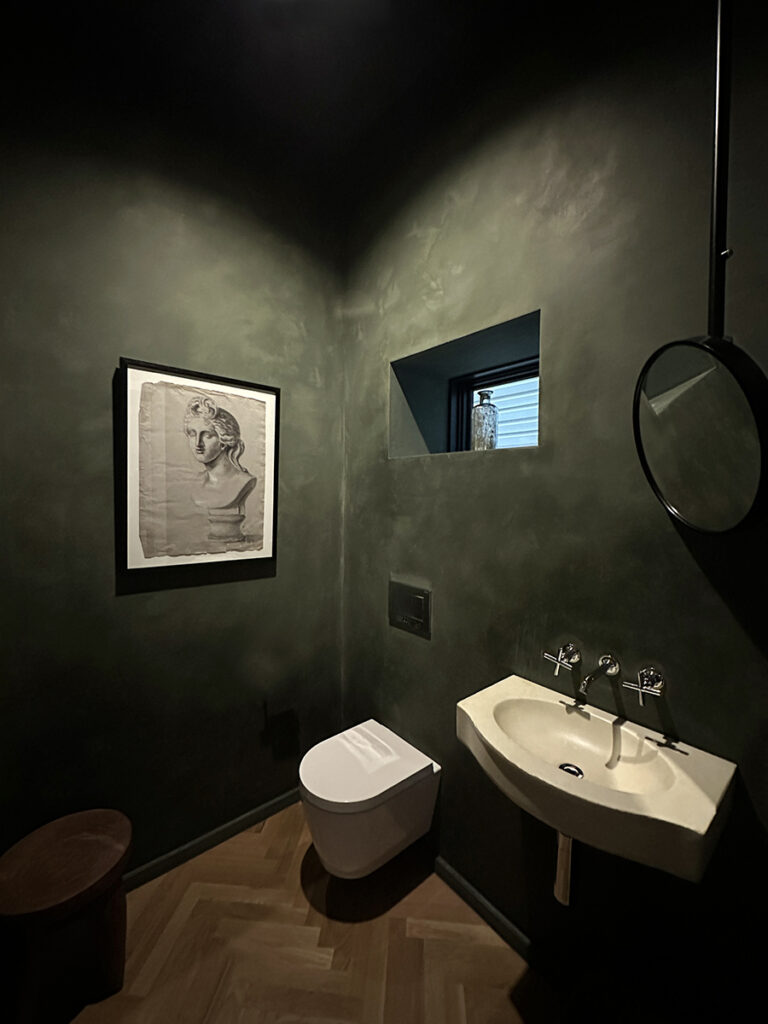
Upstairs, the primary suite settles into a slower pace. After the energy of the first floor, we designed the bath as a retreat. Venetian plaster walls give the room a soft, tactile depth that shifts subtly with the light. Cove lighting casts an even, indirect glow in the evenings, while an integrated skylight pulls daylight down from above, so the space never feels static. It’s calm without being sleepy, refined without trying too hard.
Vermont Verde Serpentine Stone
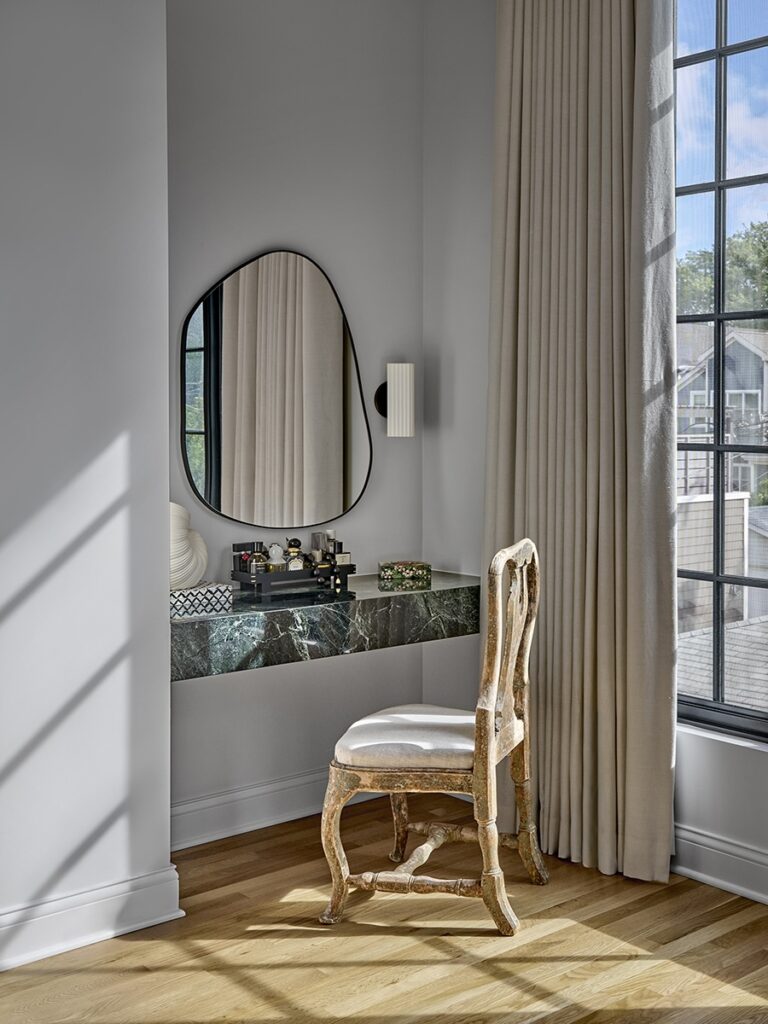
For the vanity, we chose Vermont Verde, a special class of stone called Serpentine. Serpentine stone is geologically dense and often harder than granite, which makes it remarkably resilient in a bath environment. But we didn’t select it for performance alone. Its deep green tone and natural movement carry a quiet richness that feels rooted and enduring.
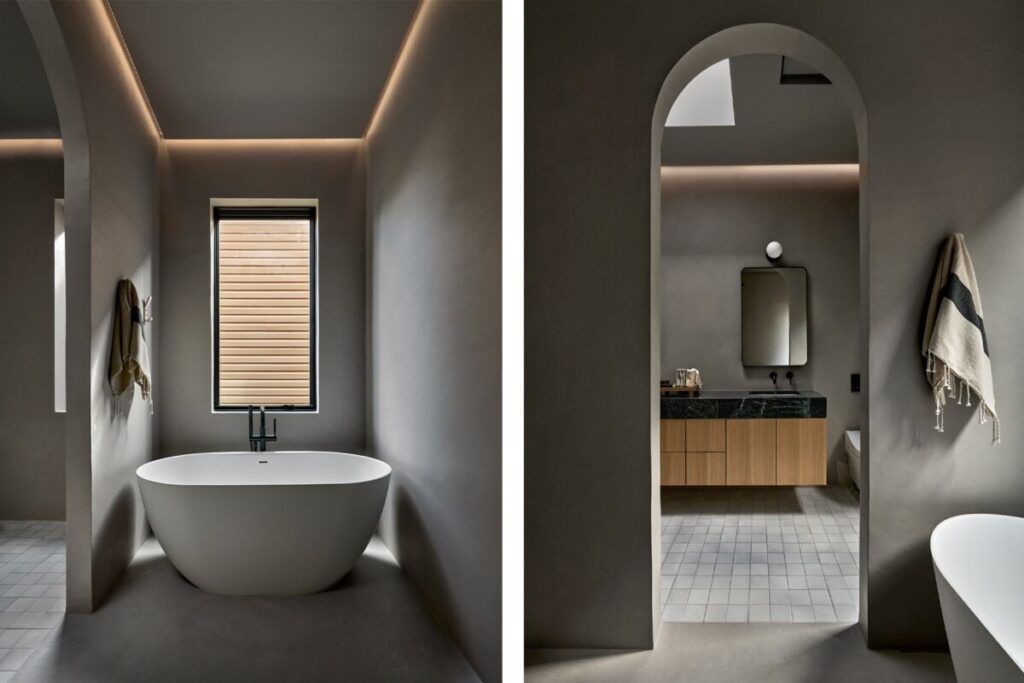
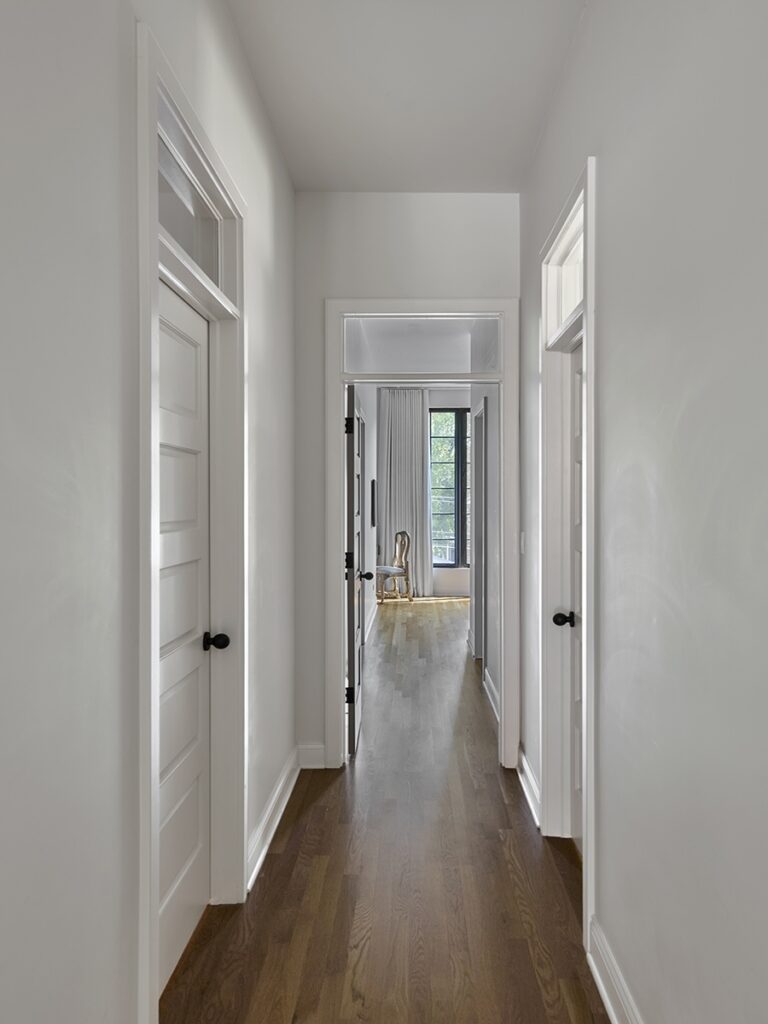
The design reuses the original doors and transoms at the second-floor bedroom and bathroom openings, adding transom windows above to draw natural light into each room. Photgraphy by Soluri Photography
Solving Code Constraints with Architecture
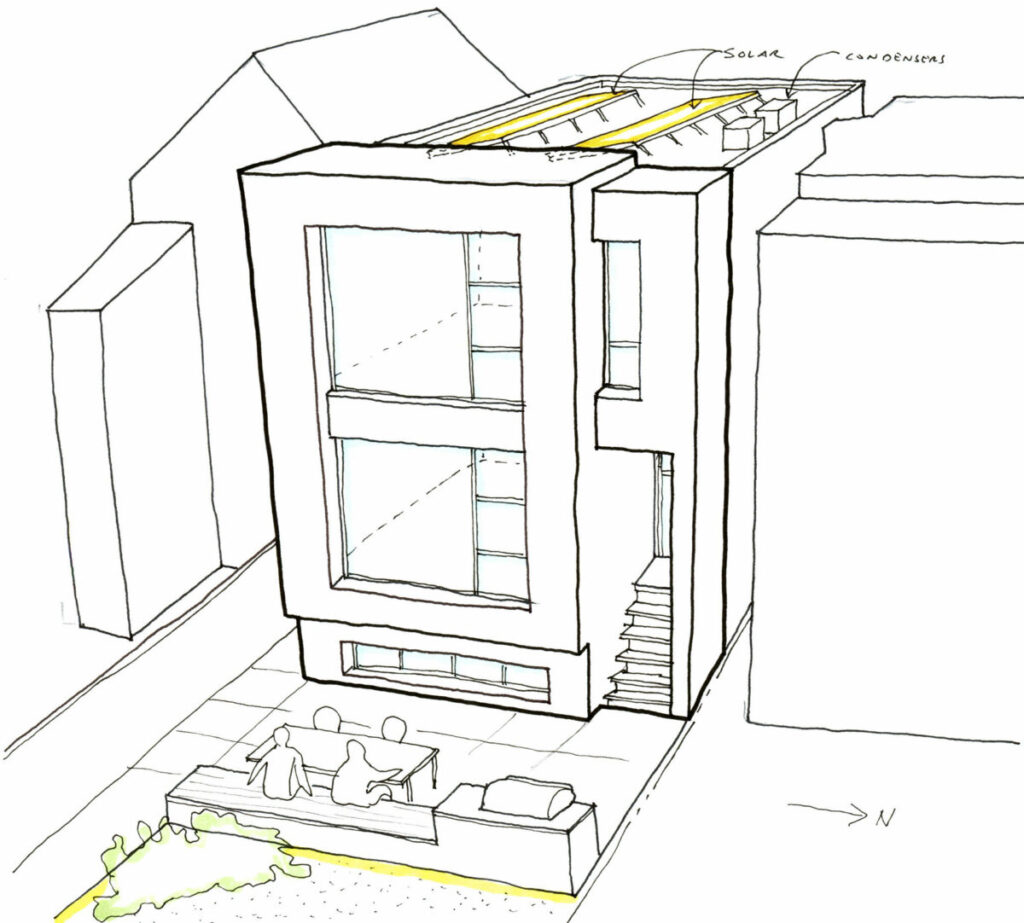
Because the house sits on the north property line, the design incorporates a masonry exterior wall to meet code requirements. Rather than treating this as a limitation, we allowed it to inform the architecture of the rear addition. We extended the masonry wall and integrated it into the new volume, giving it continuity and purpose beyond compliance. It now operates in two ways: as a privacy screen that shields the family room glazing from the adjacent property, and as a filtered backdrop to the rear stair, adding depth and texture to the interior experience. What began as a boundary condition ultimately became a defining architectural element.
Exterior Materials at the Rear
Shou Sugi Ban charred-wood siding wraps the addition, creating contrast with the existing masonry. The darkened timber adds texture and depth, absorbing light where the brick reflects it. The charred finish provides durability and resilience, allowing the wood to weather gracefully over time. As the seasons change, the materials will continue to register change differently, brick holding steady while the wood subtly evolves, giving the rear elevation a layered quality.
Sustainability and Performance as Part of the Architecture
Sustainability and performance shaped the architecture from the outset. Beyond aesthetics, the renovation significantly improved how the home functions day-to-day. Beyond aesthetics, the renovation also improves how the home functions day-to-day. In the basement, radiant heat now warms the floor while the insulated walls and roof reduce energy loss and increase comfort. A variable speed furnace and condenser adjust continuously to the home’s needs, using less energy than conventional systems. Finally, an induction cooktop supports cleaner, more efficient cooking.
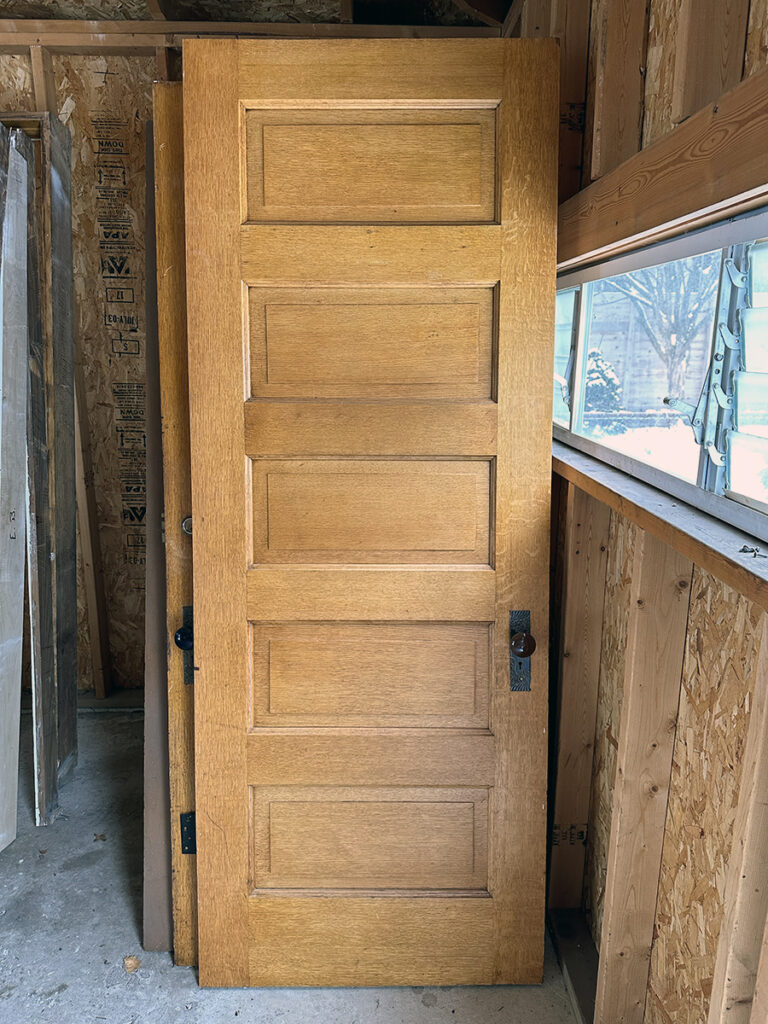
Practical measures like new drain tile protect the structure long term. Just as importantly, we prioritized reuse where possible. We reclaimed the second-floor interior doors, transoms, and original hardware, and restored the existing stair handrail by sanding and repainting it rather than replacing it. Together, these decisions reduce waste, improve performance, and reinforce the idea that sustainability is not an add-on, but part of the architectural framework.
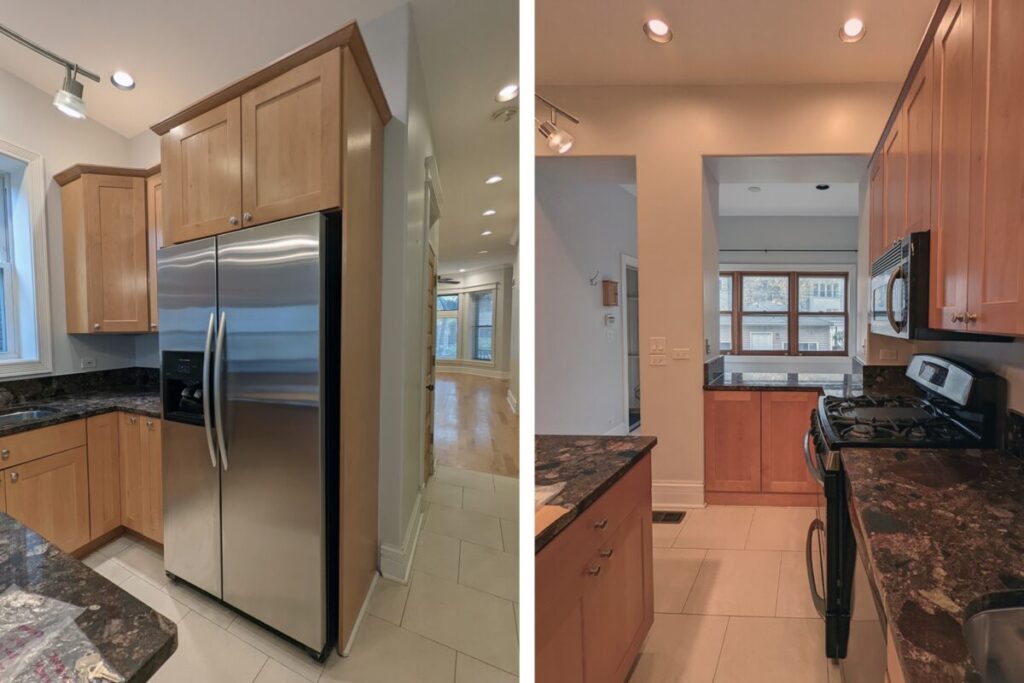
Existing Conditions
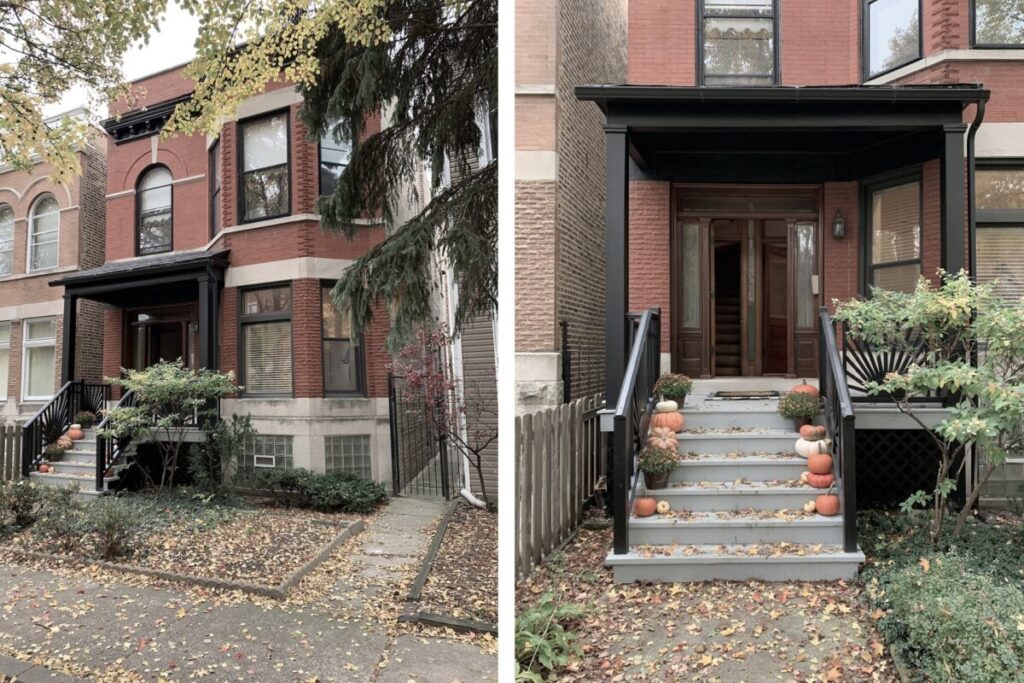
Existing exterior and interior front entrance
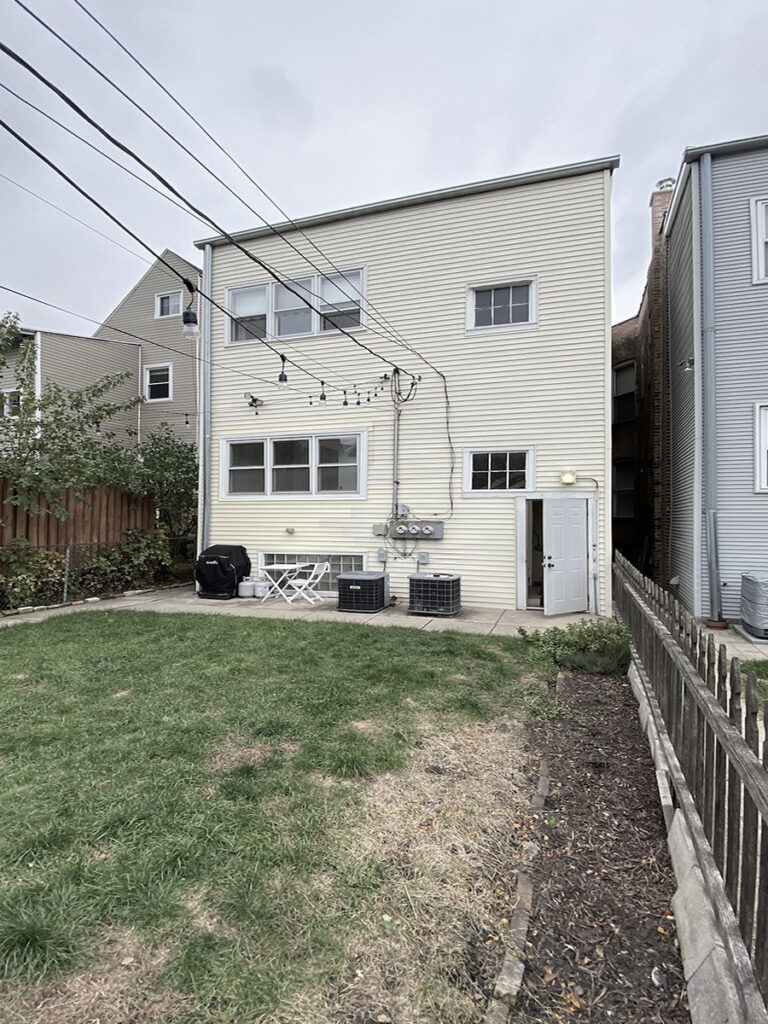
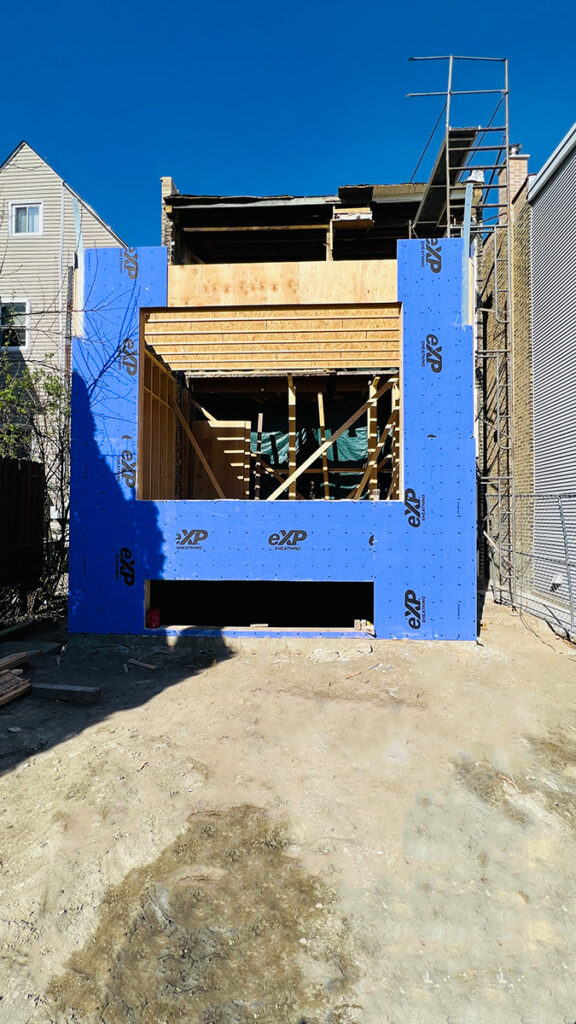
Existing rear porch before and after demo, and the new addition framing