Maybe you’ve just bought a property that needs a full gut rehab, or an empty lot with limitless potential. Perhaps you’re in the same home you’ve been in for decades and have no desire to move, but the property is in serious need of a refresh. You’re typing, “architectural firms near me” into search engines, only to come up with a list of design firms a mile long. Starting the process of rehabbing or building a home from scratch can be daunting at best, but choosing the right design firm for your project can remove a lot of the guesswork and stress.
moss Design is an architect-led studio with a full team of both designers and general contractors, which means when we get involved in a project, it’s all hands on deck from day one. We walk our clients through every step, leaving no stone unturned and no question left unanswered. We believe that understanding how an architecture design studio guides clients through site analysis, concept development, and final construction can help demystify the experience and highlight the value of professional expertise.
In this article, we’ll walk you through what the process can look like and how moss Design’s services stand out in the architecture mecca of Chicago.
Understanding the Architecture Design Studio Approach
An experienced architecture design studio operates as both a creative partner and a technical consultant. The goal of architectural design is not simply to create visually appealing structures, but to develop spaces that respond to their environment, serve the needs of the folks using them, and stand the test of time.
At moss Design, the studio process balances creativity with practicality. Every project, be it residential or commercial, begins with research and strategy, then moves into planning and design details, and finally into implementation. For those scouring the web for “architectural firms near me,” this structured workflow helps put one’s mind at ease by ensuring clarity at every phase while leaving some wiggle room for flexibility in design exploration.
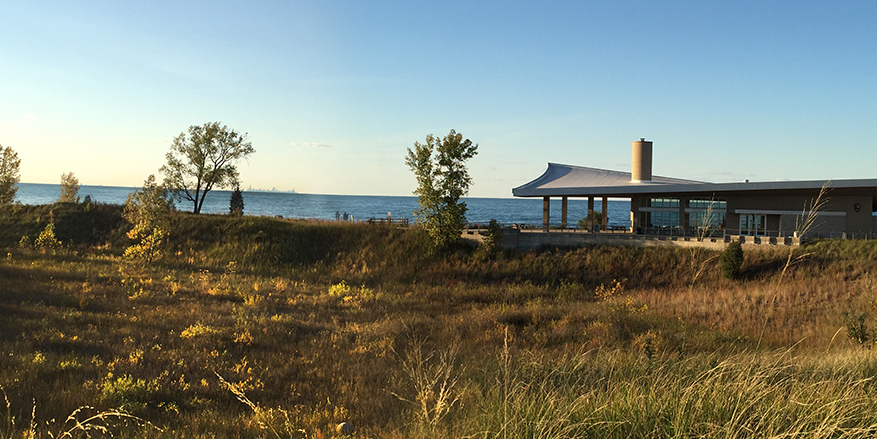
Phase 1: Site Analysis — Understanding Context and Constraints
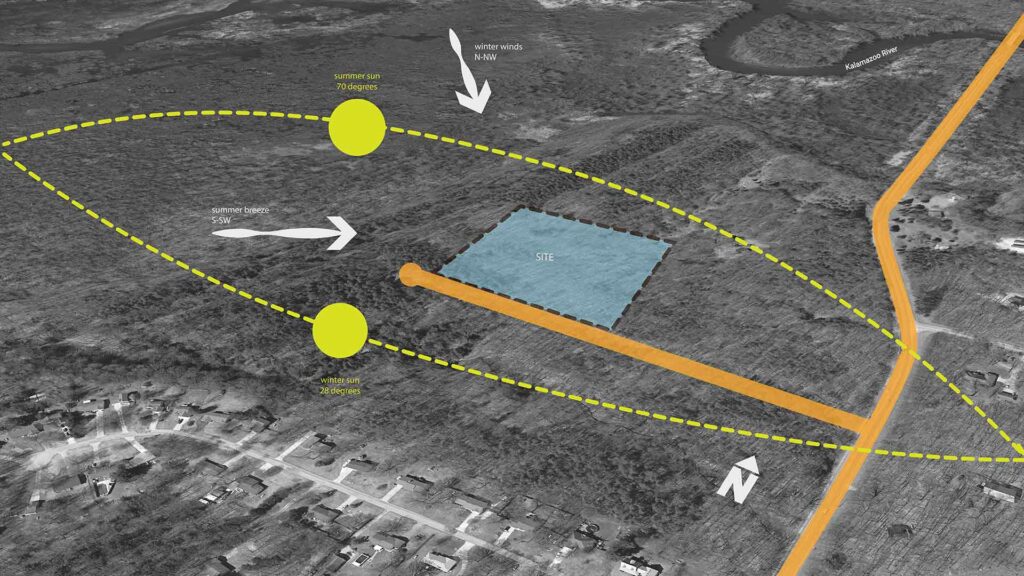
Before sketching floor plans or selecting your dream pot filler faucet, a professional architecture design studio must conduct a comprehensive site analysis. This stage lays the groundwork for informed architecture design decisions.
Environmental Evaluation
Site analysis begins by examining physical characteristics such as:
- Topography and land conditions
- The natural light
- Wind patterns and climate factors
- Existing structures or infrastructure
- Landscape features and vegetation
Understanding these elements allows architects to site buildings with intention, improving energy performance while integrating the new structure naturally into the surrounding neighborhood.
Regulatory and Zoning Research
Local building codes, zoning requirements, and municipal regulations significantly influence design possibilities. An experienced architecture design studio evaluates setbacks, height restrictions, and permitted uses early in the process to prevent costly revisions later. Choosing an architecture firm near me helps guarantee you’re working with architects familiar with your city’s particular codes and zoning regulations.
User Needs and Program Development
Site analysis also includes identifying how people will interact with the space. Architects work closely with clients to define their functional requirements, spatial relationships, and project goals. This collaborative approach ensures the foundation of architecture design reflects both environmental conditions and human experience.
Phase 2: Schematic Design — Turning Ideas into Concepts
Once site conditions and project goals are established, the process transitions into schematic design, where creative exploration begins to take shape.
Concept Development
During the schematic design phase, architects develop initial layouts, building forms, and spatial concepts. These may include:
- Preliminary floor plans
- Massing studies
- Design sketches and visualizations
- Early material concepts
The objective is to establish the project’s overall direction while leaving room for refinement. A skilled architecture design studio uses this stage to test multiple approaches and identify the most compelling solution.
Collaboration and Feedback
Client input plays a central role in schematic design. Through presentations and discussions, architects can refine ideas based on feedback, budget considerations, and functional needs. This collaborative process strengthens the overall architecture design while ensuring alignment with client expectations.
Budget Alignment
Early cost considerations are introduced during the schematic design phase to make sure the plans are feasible. By evaluating materials, scale, and construction methods, architects help prevent design concepts from exceeding financial parameters.
This stage marks the moment when a project begins to feel tangible, bridging abstract ideas with practical possibilities.

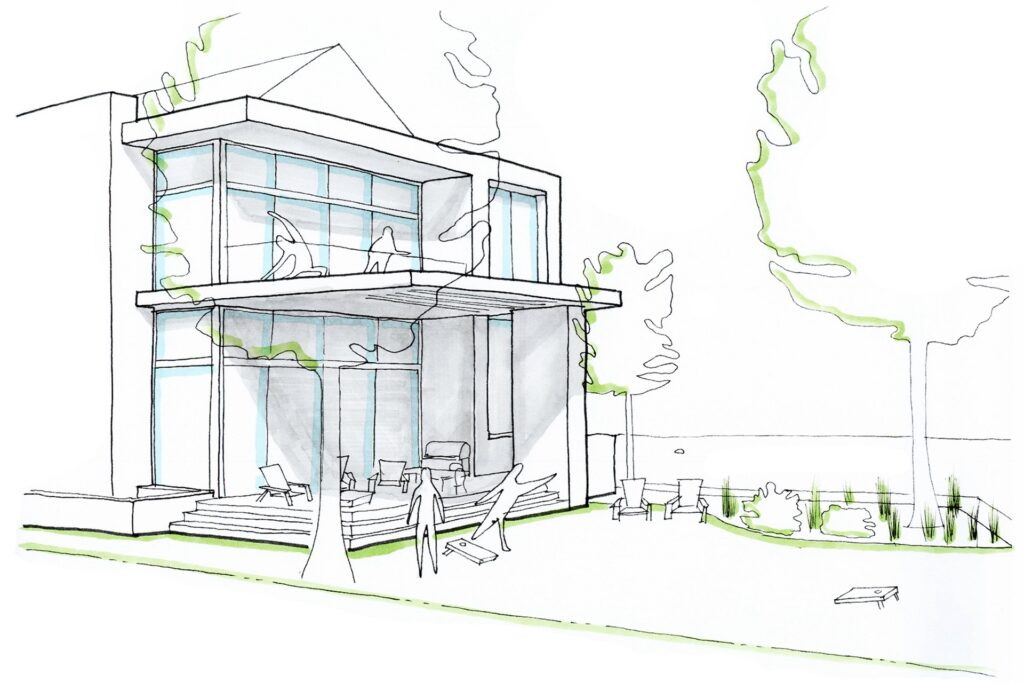
Schematic design sketch for a home renovation and addition, with the finished project pictured below.

Phase 3: Design Development — Refining the Vision
After concept approval, our architecture design studio moves into design development. This phase builds upon the approved direction and introduces greater technical precision.
Material and System Selection
As architects, we determine specific materials, finishes, and building systems, including structural elements, mechanical systems, and lighting strategies. These decisions influence both aesthetics and performance.
Technical Coordination
Design development also involves coordination with engineers, consultants, and specialists. Structural integrity, energy efficiency, and safety requirements must align with the overall architectural design vision.
Detailed Drawings
More detailed drawings are produced to clarify dimensions, materials, and construction techniques. This level of specificity ensures that contractors can accurately interpret the design’s intent.
A capable architecture studio treats every detail as consequential, aligning form and function while methodically preparing the project for clear, buildable construction documentation.
Phase 4: Construction Documentation — Turning Design into Instructions
With the design fully developed, architects create comprehensive construction documents. These technical drawings and specifications provide the roadmap for building the project.
Comprehensive Plans and Specifications
Construction documents include:
- Material Specifications
- Site Plan
- Civil Engineering Plans
- Floor Plans
- Elevations
- Sections
- Structural Information
- Construction Details
- Schedules
- Mep Plans
- Code Compliance Documentation Contract Requirements
These materials communicate precise instructions to contractors, minimizing ambiguity and reducing the risk of errors.
Permitting and Approvals
An experienced Chicago architecture design studio manages the occasionally complicated permitting process, coordinating with local authorities to secure necessary approvals. This ensures the project meets regulatory requirements before construction begins.
At this stage, the project transitions from design to execution, supported by clear and detailed guidance.

Phase 5: Construction Administration — Ensuring Design Integrity
The final stage of the process is construction administration, where architects remain actively involved during the building process to make sure the building aligns closely with the design.
Oversight and Quality Assurance
During construction administration, architects review contractor work, respond to questions, and conduct site visits. This oversight ensures that the completed structure reflects the original architectural design intent.
Problem Solving and Adjustments
Construction often presents unexpected challenges. Through construction administration, architects provide solutions that maintain design quality while addressing real-world conditions.
Communication and Coordination
Architects act as a liaison between clients, contractors, and consultants, ensuring alignment throughout the construction process. This collaborative approach helps maintain timelines, budgets, and design integrity.
For clients researching architectural firms near me, this phase highlights the value of ongoing professional involvement beyond initial design work.
From Vision to Reality
The journey from site analysis to completed construction is complex, but a professional architecture design studio makes the process seamless and engaging. Through careful planning, creative exploration, and technical expertise, architects transform ideas into meaningful spaces that enhance daily life.
Whether you’re planning a new development, renovation, or custom project, understanding how the architecture design process unfolds can help you choose the right partner and set realistic expectations. For Chicagoans looking for the best architectural firms near me, moss Design offers a comprehensive, client-centered approach that guides every project from concept to completion.
By following a structured process, from site analysis and schematic design to detailed documentation and construction administration, an experienced architecture design studio ensures each project achieves both aesthetic impact and lasting performance.

Early site analysis and schematic design study for a single-family addition wrapped in cedar siding.


The moss Design Experience
Chicago’s architectural heritage demands thoughtful innovation and contextual sensitivity. moss Design approaches each project with a deep understanding of urban environments, the neighborhood’s character, and contemporary design practices.
From early site evaluation to final construction administration, our firm’s process reflects a commitment to collaboration, craftsmanship, and strategic thinking. Clients benefit from working with our architecture design studio that values transparency, communication, and design excellence. Contact us today to get your project rolling.