A restaurant can have the best menu in the city and still struggle if the restaurant design creates more challenges for staff, confuses guests, or can’t support the evening rush. This is why restaurant interior design goes far beyond styling. Great hospitality design is operational design. It’s the restaurant architecture that protects the guest experience and the business model.
Our team of restaurant design and restaurant architecture experts at moss Design thinks about restaurants the way chefs think about a kitchen line. Every move costs time, every collision costs morale, and every decision either supports flow or creates friction.
When restaurant architecture is done well, every room feels balanced — no more lines or crowds at the host stand, the bar doesn’t stall, the kitchen sends food out smoothly, and guests hang around longer because they’re comfortable.
In this practical guide to restaurant design that works, we’ll explore kitchens, dining rooms, bar design, and circulation with the realities of hospitality design principles in mind. We’ll also consider Chicago’s codes, seasons, and storefront quirks as a backdrop.
The Real Purpose of Restaurant Design
A restaurant is one of the most demanding building types you can design. Every square foot needs to earn its keep, and every minute of service has a cost. If the restaurant layout forces staff to take extra steps, the room loses time, table turnover slows, and guests feel the friction even if they can’t name it.
If the restaurant interior looks stunning but sounds like a train station, people don’t linger, and special occasions become one-and-done visits.
The point of hospitality design is to align experience and operations. When restaurant design works, you feel it immediately. Suddenly, the entry makes sense, the host has control, the dining room feels calm, the bar design offers a lively yet not overcrowded experience, and the food arrives promptly.


Start With Restaurant Layout
Most restaurant owners start with a mood board when it’s time to create a restaurant layout. As a team of experts in restaurant architecture, we start with a restaurant layout map. Restaurant layout is where profit, comfort, and service speed and efficiency are determined.
Restaurant layout should be thought about in terms of relationships. The host stand needs a clear view of the room and a natural spot for a short wait. Restrooms should be easy to find without forcing guests to walk through staff circulation areas. The kitchen pass should connect cleanly to the dining room’s primary service aisle. The bar should work as both a guest destination and a service station without blocking circulation.
This is where restaurant architecture earns its value. Its focus is on creating a restaurant layout plan that supports your specific operation. A strong restaurant interior design concept is built on a layout that can handle Friday nights.
The back of the house is the machine where prep, cooking, plating, dish washing, storage, and staff movement determine the entire process. Restaurant architecture has to connect those two worlds without conflict, especially during peak service when every path is under pressure.
Kitchen Design in Restaurant Architecture: Speed, Safety, and Repeatability
Kitchen planning is the foundation of restaurant design. It’s also where restaurant layouts fail most often. Not because people don’t care, but because kitchen design is technical and unforgiving. A great kitchen fits the equipment and supports a sequence.
Your menu determines the workflows of receiving and storage, prep, cook line, expo/pass, and dish. The restaurant layout should reduce cross-traffic between these steps. When a dish collides with food leaving the line, service slows and stress rises. When cooks have to turn and squeeze past each other to reach the next station, quality drops.
Ventilation is another place where restaurant architecture and kitchen design must be coordinated early. Commercial hood systems, grease management, and fire protection are typically designed to meet standards such as NFPA 96, which influence equipment placement and ceiling/duct routes.
If you’ve ever been in a restaurant where the room feels smoky, or the kitchen runs unbearably hot, you’ve experienced what happens when ventilation wasn’t treated as a first-order restaurant design issue.
Dining Rooms in Restaurant Design
Dining rooms succeed when they balance energy and ease. Restaurant interior design should guide the eye, control sound, and support different dining speeds.
One of the most overlooked parts of hospitality design is acoustics. If a room is too loud, guests and staff are forced to shout and can’t relax. Softening a space often means thoughtful ceilings, selective wall treatments, tailored upholstery, and restaurant design planning that breaks up long sound paths.
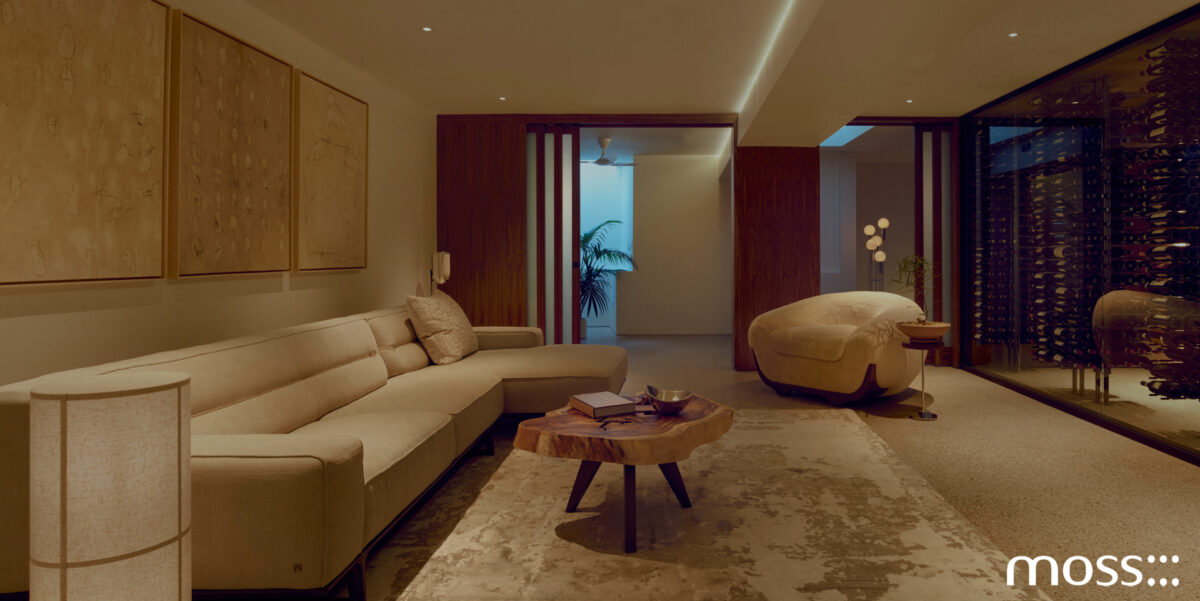
Lighting matters in the same way. A restaurant interior should transition from day to night gracefully, with layered lighting that supports tasks and maintains atmosphere. Modern restaurant interior design often leans minimalist, but minimal doesn’t mean flat. The most timeless interiors use restraint to create clarity using clean lines, warm materials, and lighting that feels intentional.
If you want a real example of how comfort and brand can coexist in a compact footprint, look at moss Design’s work on Dollop Coffee, a modern urban coffee shop renovation. In this project, daylight, custom seating, a walk-up window, and a welcoming storefront experience were central to the restaurant design.
Even though a coffee shop operates differently from a full-service restaurant, the principles remain focused on a clear guest path, calm seating zones, and a restaurant interior that supports daily routine.
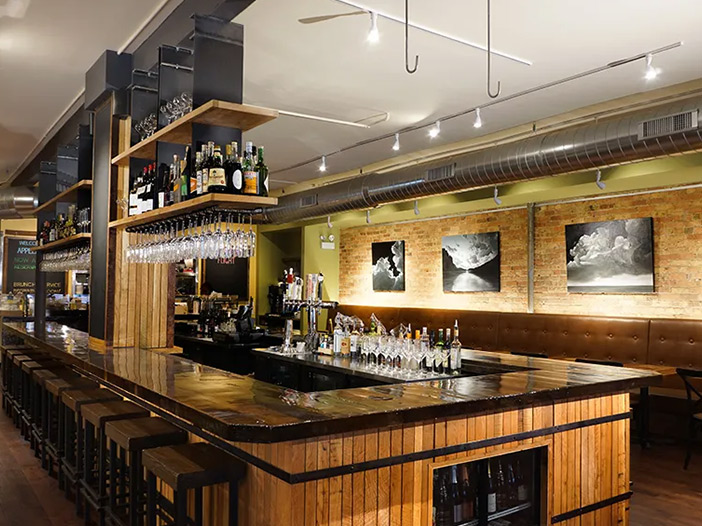
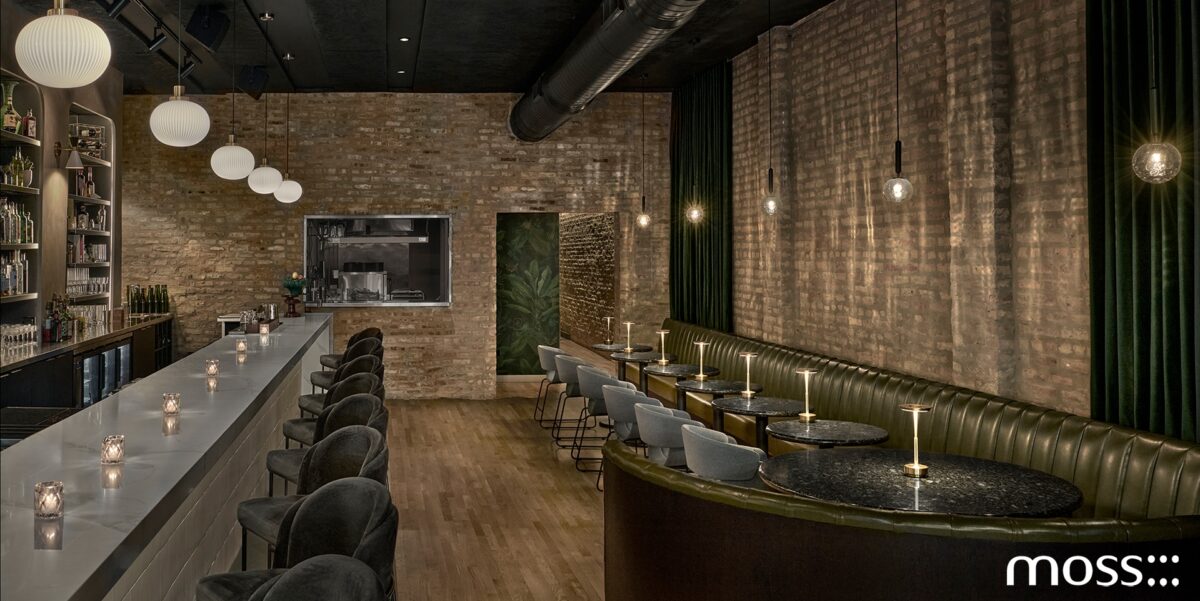
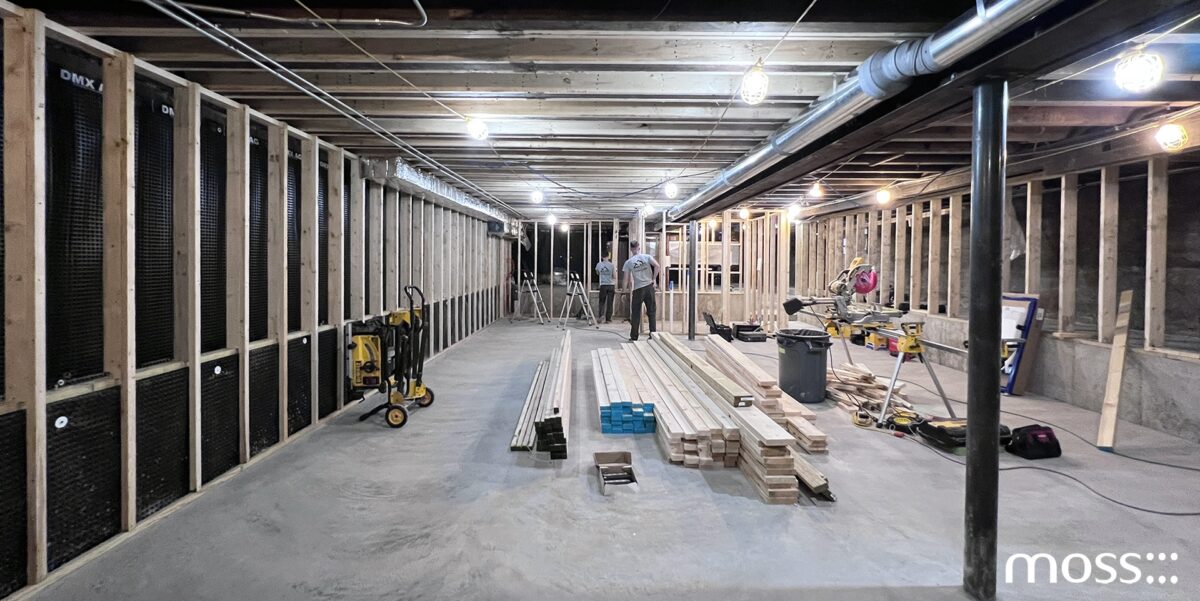
From sketch to built work: an early design study and the completed Chicago wine and cheese bar.

Bar Design: Creating a Revenue Engine Workflow
In many restaurant design concepts, bar design sets the pace of the room and is often a major revenue driver. But bars are also where restaurant layout mistakes show up fastest, because bars attract standing crowds, social clustering, and frequent staff interaction.
A beautiful bar that runs slowly will drag down the entire restaurant. Drinks bottleneck, servers queue at the service opening, and guests begin to feel uncomfortable.
The best bar design begins with understanding how the bartender moves during peak times. Ice, sink, speed rail, glass storage, and POS need to support repeatable motion. The service pickup should be clear enough that servers don’t interrupt bar guests. And circulation around the bar needs to anticipate the reality that people will stand, hover, and gather, especially on weekends.
This kind of problem-solving is where hospitality design earns its keep. The best restaurant interior looks good at 3:00 pm and performs at 8:00 pm.
The Hidden Restaurant Design Hack
The most common restaurant complaint boils down to friction. People may not say “the circulation path is unclear,” but they’ll say “it felt chaotic,” “service was slow,” or “we couldn’t relax.”
Flow problems tend to concentrate in predictable places, like the entry, near the host stand, around the bar edge, and along a single overworked aisle that tries to serve as both guest circulation and staff circulation.
A good test is to imagine the room full. Picture a party arriving and pausing at the door. Picture a server carrying a tray to the back corner. Picture a bartender handing off drinks while a guest asks for a menu. If you can’t visualize those moments without collisions, the restaurant layout needs refinement.
This is why restaurant design is a lived experience. Great restaurant design anticipates peak moments and makes them better.
Hospitality Design Materials: Durable, Cleanable, Timeless
Hospitality design lives hard — chairs scrape, spills happen, and cleaning chemicals are real. The best restaurant interior design palettes are warm, but they’re also honest about durability.
That doesn’t mean every surface has to look commercial. It means you choose materials that age well, can be repaired, and don’t fall apart under traffic. It also means designing details, including edges, corners, and transitions, that can take impact without looking battered six months in.
If sustainability is part of your brand or your restaurant design and operational priorities, efficiency upgrades can also be practical. ENERGY STAR notes that certified commercial food service equipment can help restaurants save energy and reduce operating costs without sacrificing performance.
moss Design Case Studies: Hospitality Design in Chicago
One reason we like using real projects when discussing restaurant architecture is that it keeps the conversation grounded. It’s easy to say “optimize flow.” It’s harder, but more meaningful, to show how it looks in the field.
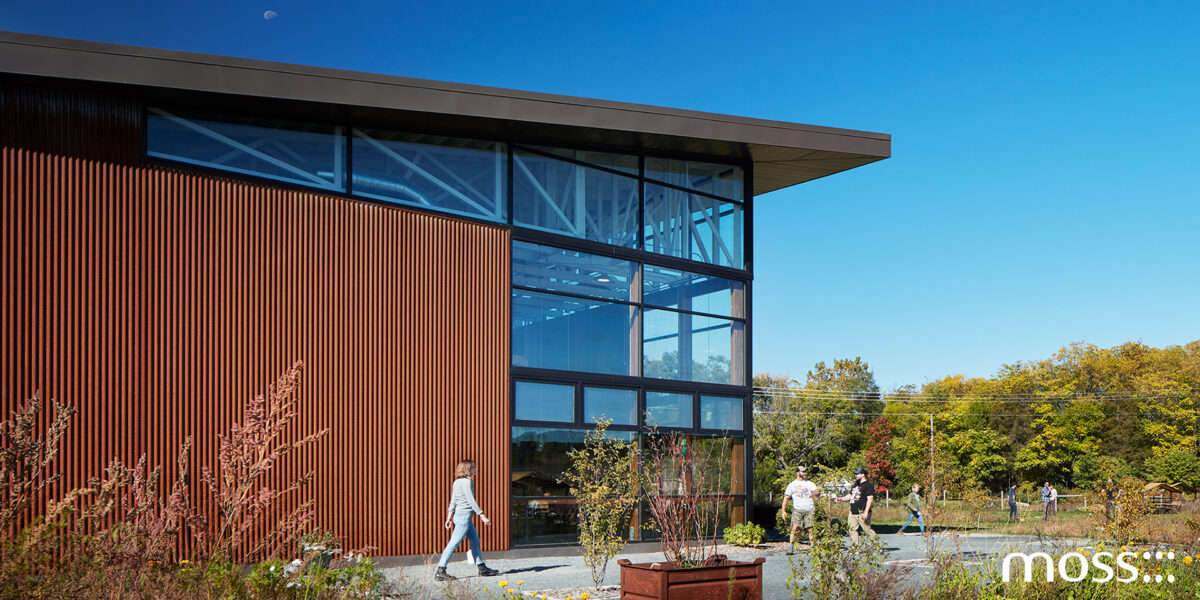
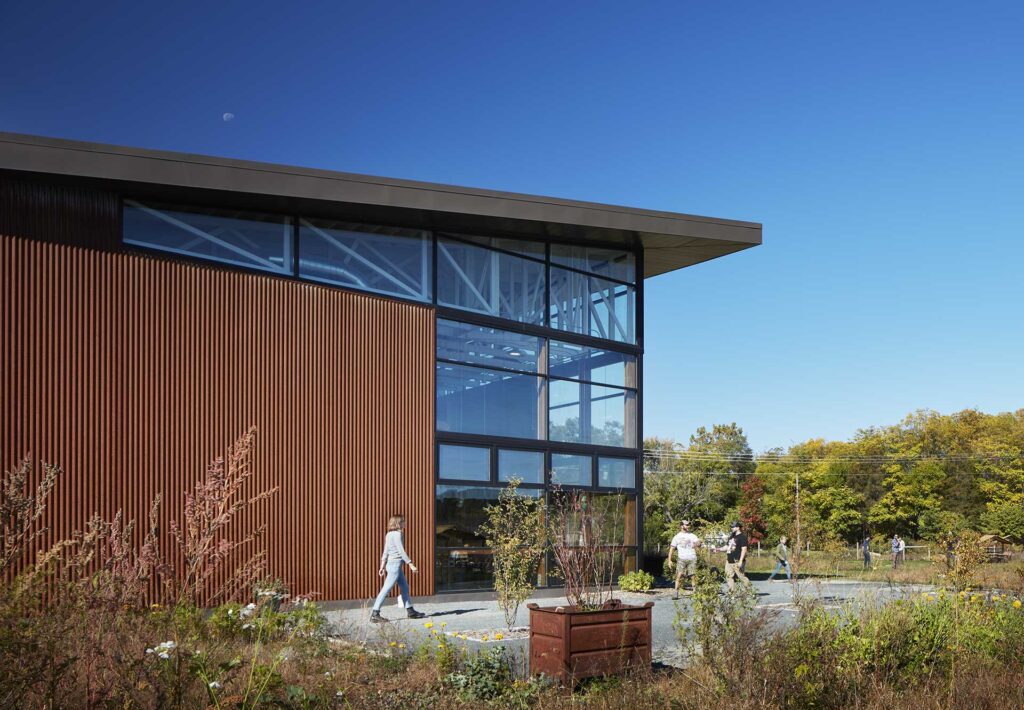
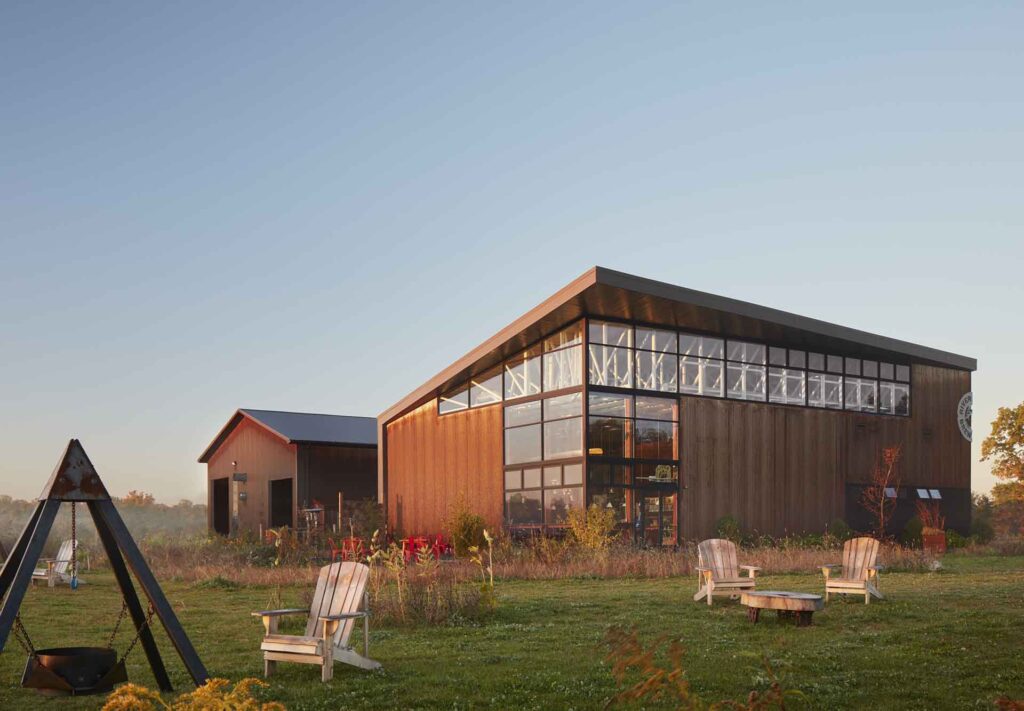
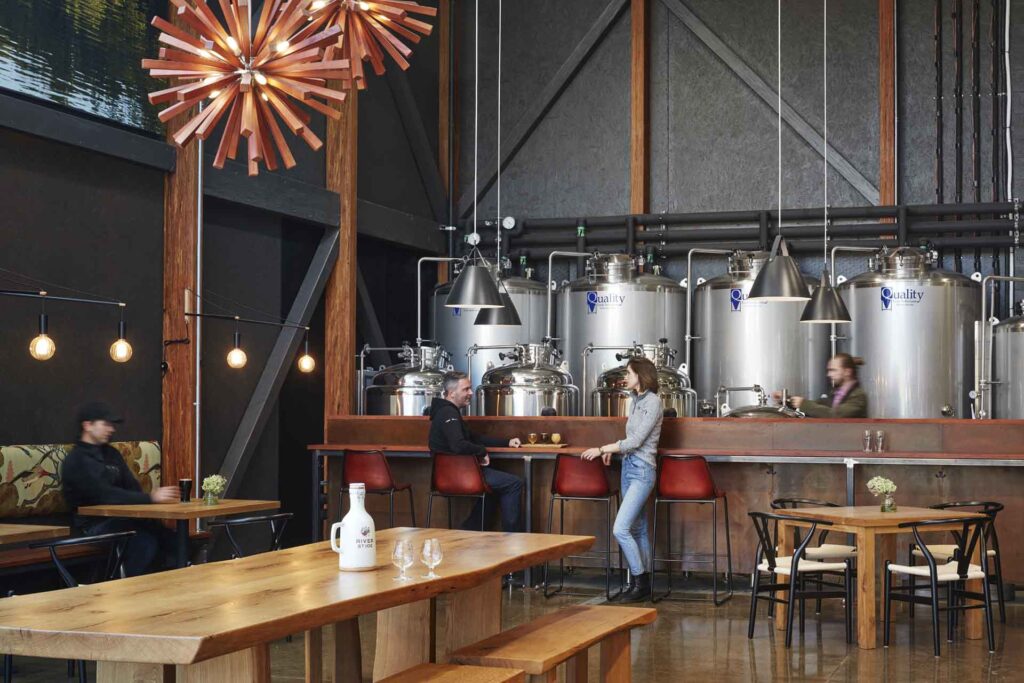
For a strong example of restaurant architecture that blends experience, durability, and a sense of place, explore River Saint Joe Brewery, where moss Design designed a modern, sustainable brewery with a restaurant and tasting room connected to its agricultural context. It’s a reminder that hospitality design isn’t limited to city storefronts; it’s about building an experience that supports operations and identity.
If you’re thinking about hybrid concepts, Appellation is another useful reference. It’s a bistro-and-market model in Andersonville, and it demonstrates how a restaurant interior can support different modes throughout the day, like retail energy, dining flow, and a cohesive dining experience.
And, if your project is more of a targeted refresh of your restaurant layout than a total rebuild, Campus Dogs & Deli is a great example of how strategic restaurant design moves.
These projects aren’t meant to be copy-paste templates. They’re proof that restaurant interior design works best when it’s tied to operations, flow, and the specific context of the space.
Ready for a Restaurant Design That Works?
If you want restaurant design that works, don’t design for the photo. Design for the Friday-night rush. Design for the moment when the bar is three-deep, the host is quoting 35 minutes, and the kitchen is firing nonstop. If your restaurant layout still feels clear under that pressure, you’re in a good place.
Strong restaurant interior design makes hospitality easier. It reduces friction for staff, lowers stress for guests, and protects the long-term health of the business. A beautiful restaurant design is good. A beautiful restaurant layout that runs smoothly is better.
Contact moss Design to start planning your restaurant renovation today.