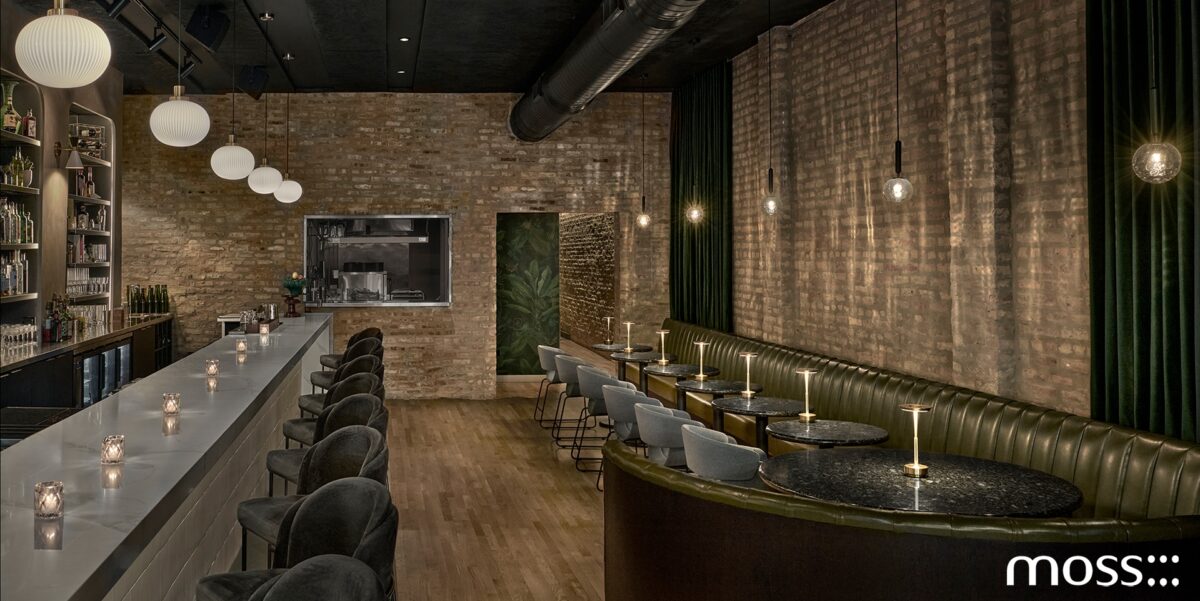
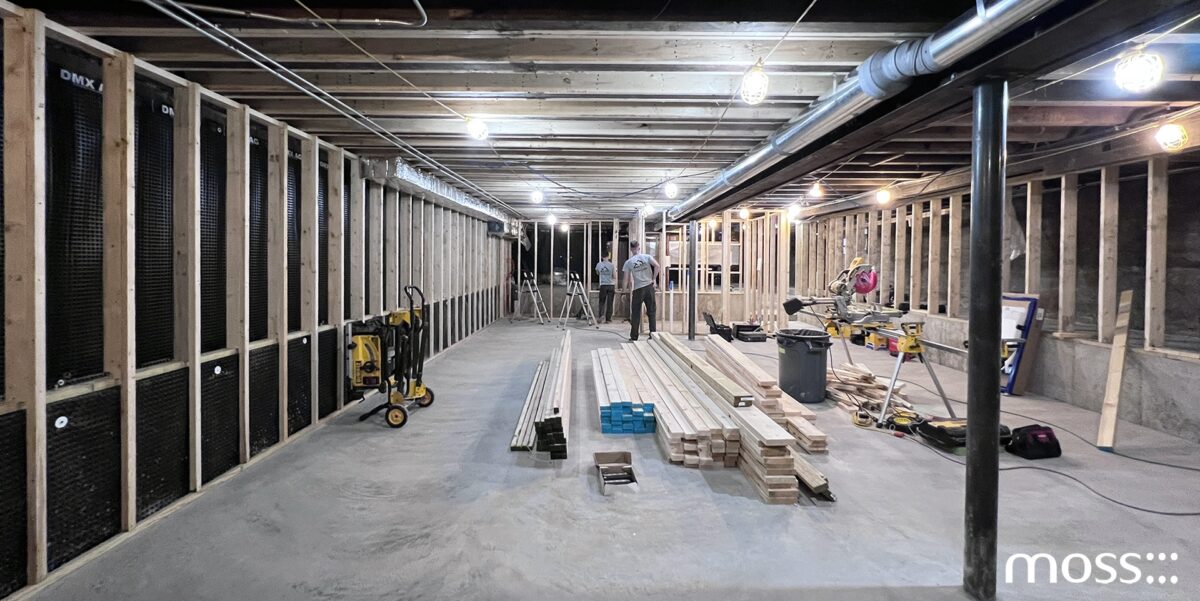
Chicago’s architecture, from skyscrapers to brick two-flats, is constantly evolving, but that doesn’t mean older buildings have to disappear to make room for the future. Instead, many designers are turning to adaptive reuse as a sustainable and creative way to preserve architectural history while meeting modern needs. At its core, adaptive reuse architecture transforms existing structures into functional, contemporary spaces while maintaining their original character. From warehouses turned coworking hubs to historic buildings converted into mixed-use spaces, these transformations showcase how thoughtful design can breathe new life into aging structures.
For moss Design, this approach speaks to the heart and soul of our ethos, as adaptive reuse architecture offers a powerful opportunity to merge preservation with innovation. By reimagining existing buildings, we can reduce waste, conserve resources, and create distinctive spaces that reflect both the past and present. In this article, we’ll look at some wonderful examples of adaptive reuse projects we’re proud of, and extol the virtues of sustainability in modern building practices.
What is Adaptive Reuse Architecture?
Before exploring specific transformations, it is important to answer the question, “What is adaptive reuse architecture?” and understand why it has become such an important design strategy. Simply put, adaptive reuse architecture involves repurposing existing buildings for new uses while preserving significant architectural features. Rather than demolishing structures and starting from scratch, designers work with the building’s existing framework, materials, and spatial qualities.
Adaptive reuse often includes updating infrastructure, improving energy efficiency, and redesigning layouts to accommodate new functions. While the structure may change dramatically inside, its historical or structural identity typically remains visible. This balance between preservation and modernization is what makes adaptive reuse architecture so compelling.
One of the primary advantages of adaptive reuse is sustainability. Reusing an existing building significantly reduces construction waste and lowers the environmental impact associated with new materials and demolition. Historic building reuse also helps maintain neighborhood character, preserving the architectural identity that defines urban environments like Chicago.
Beyond environmental benefits, adaptive reuse projects offer creative design opportunities. Architects can work with unique structural elements, unusual floor plans, and historic materials that would be difficult to replicate in new construction. These challenges often result in innovative solutions and distinctive spaces.
When people explore reuse examples across cities, they often find former factories turned into loft apartments, industrial warehouses converted into offices, or historic buildings redesigned as cultural venues. These adaptive reuse architecture projects demonstrate how existing structures can evolve alongside the communities around them.

Why Adaptive Reuse Matters in Modern Cities
Urban areas face constant pressure to grow, but new construction isn’t always the best solution. Adaptive reuse provides a strategy for managing growth while respecting the built environment. By reworking existing structures, architects can help cities expand without sacrificing historical significance.
Historic building reuse also supports economic development. Revitalized buildings can attract businesses, residents, and visitors while contributing to neighborhood renewal. In many cases, adaptive reuse projects become focal points within communities, blending historic charm with contemporary functionality. From an architectural standpoint, adaptive reuse architecture encourages designers to engage with existing conditions rather than imposing entirely new forms. This approach often produces more context-sensitive designs that reflect local history and culture.
Adaptive Reuse Architecture Projects
moss Design has developed several adaptive reuse architecture projects that illustrate how existing buildings can be transformed to serve new purposes. These projects demonstrate the versatility of adaptive reuse and provide compelling reuse examples across residential, commercial, and mixed-use spaces.
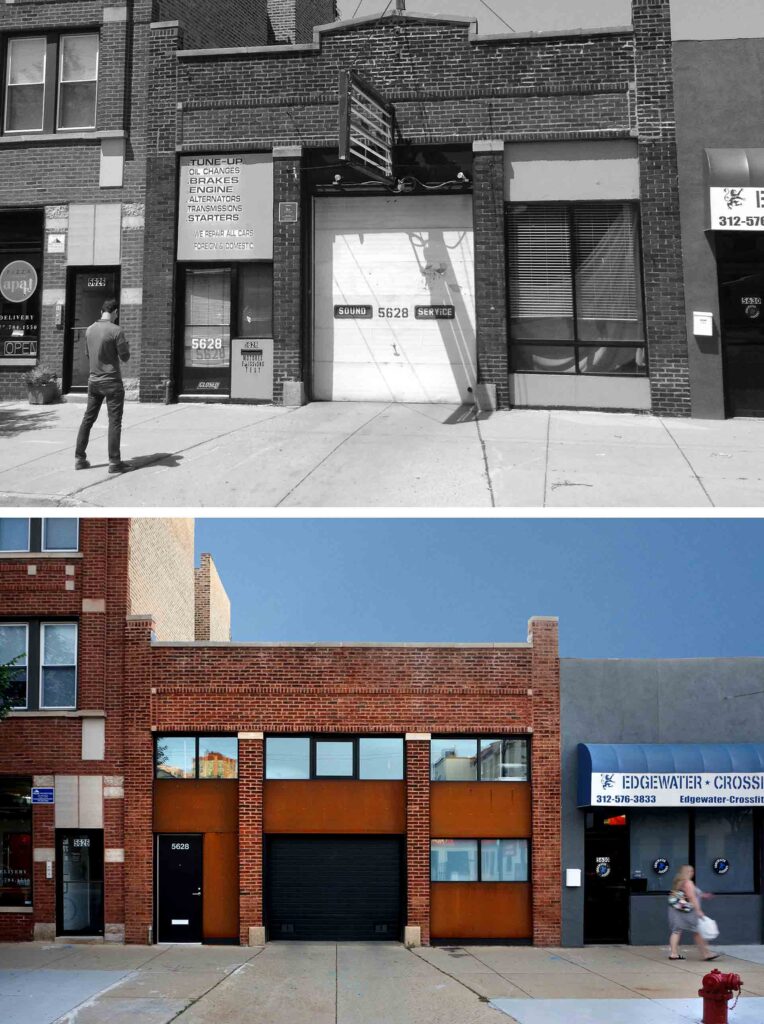
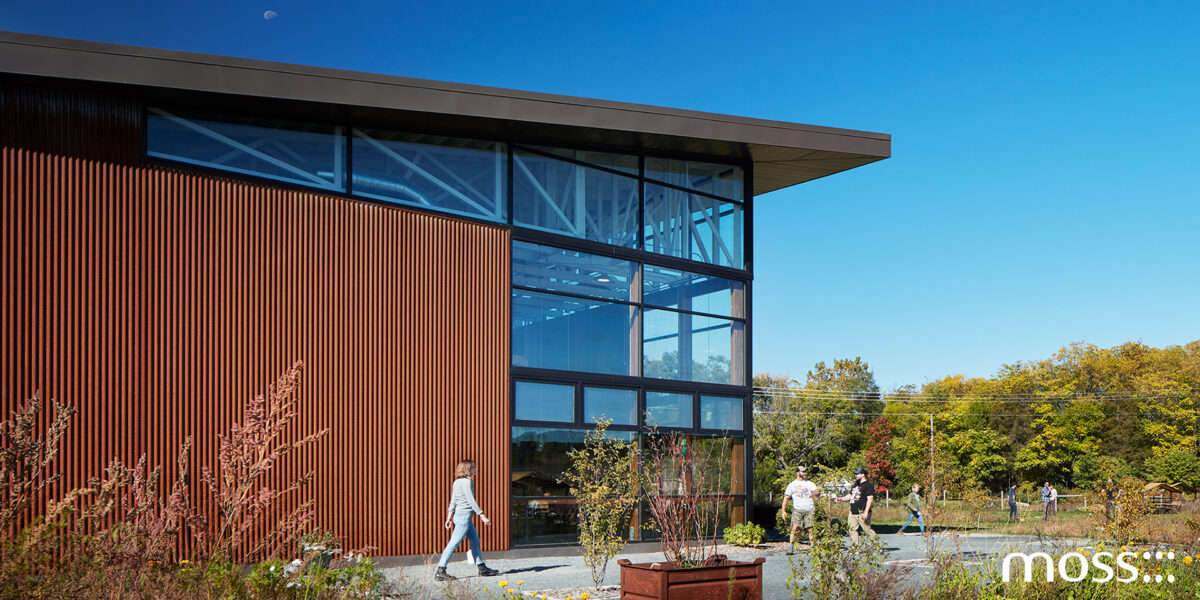
Adaptive reuse in Chicago’s Edgewater neighborhood. A former auto garage transformed into a photography studio, defined by a Corten steel facade.
Live-Work Housing
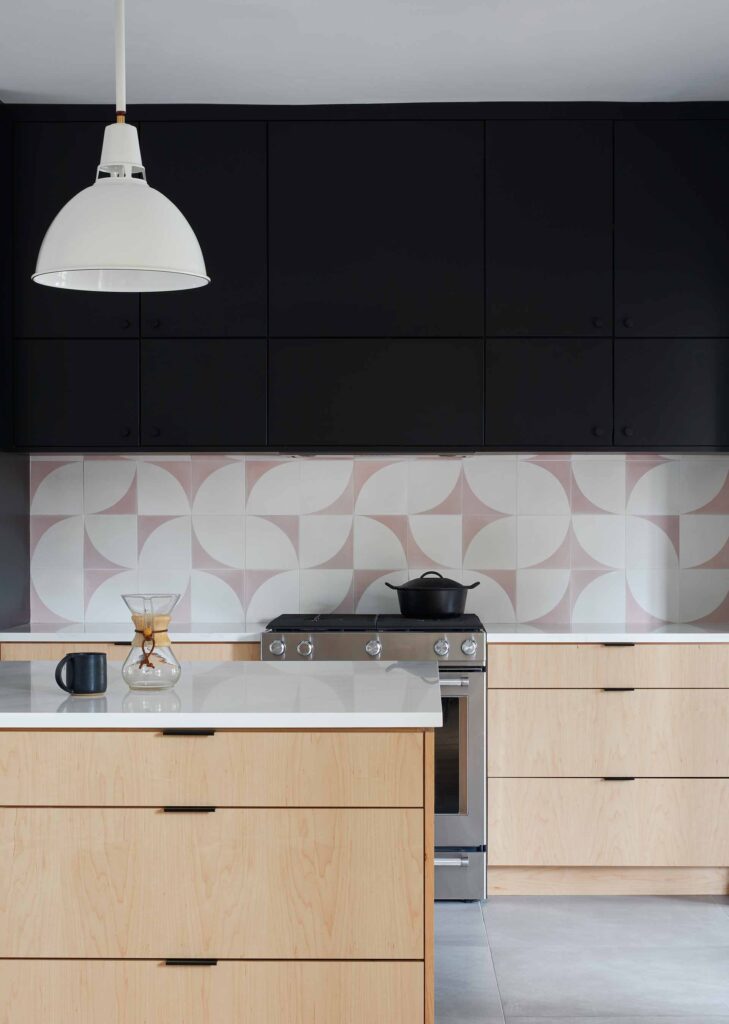
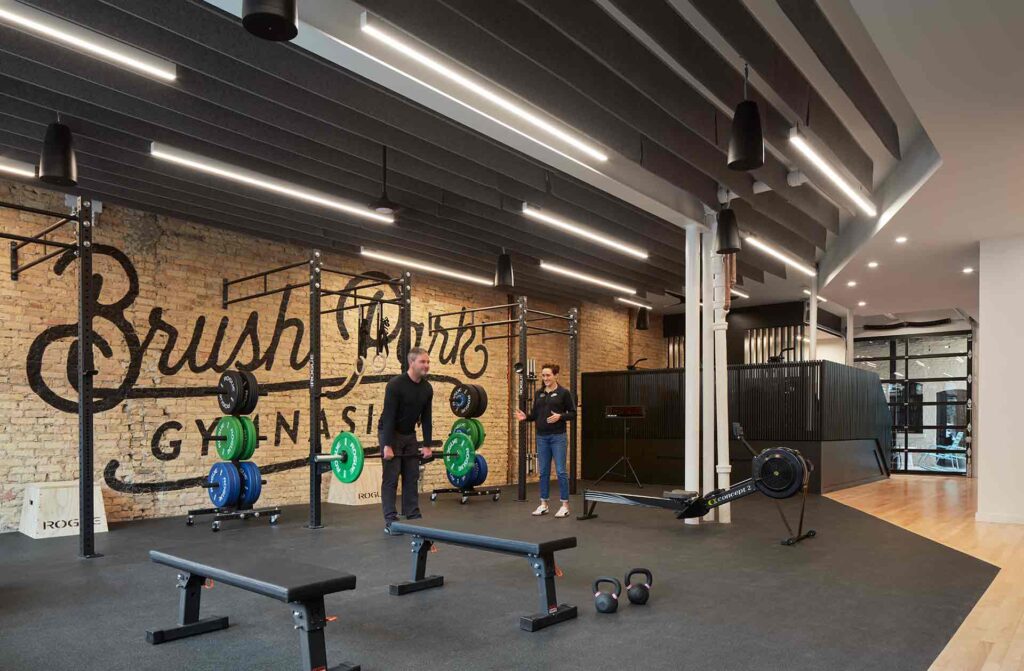
One of the most compelling adaptive reuse projects focuses on transforming underutilized spaces into dynamic live-work environments. In this live/work housing project, outdated office spaces were reimagined as a family-friendly fitness facility with residential units above. The design created a shared environment where living, working, and recreation coexist within a single building.
The transformation included modernizing interior spaces, adding communal outdoor areas, and designing flexible layouts that support contemporary lifestyles. This type of historic building reuse shows how older structures can adapt to changing social needs while maintaining their architectural framework.
As part of broader adaptive reuse architecture projects, this example demonstrates how existing buildings can evolve into multifunctional environments that serve both private and community needs.
CoLaboratory Glass Roof Warehouse
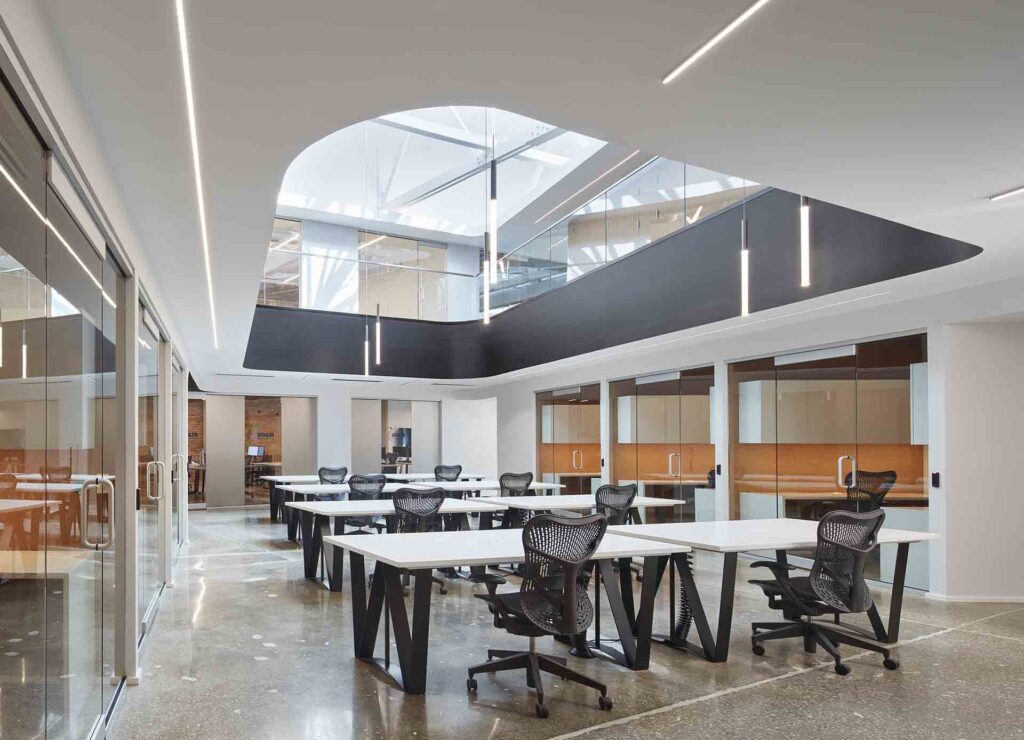
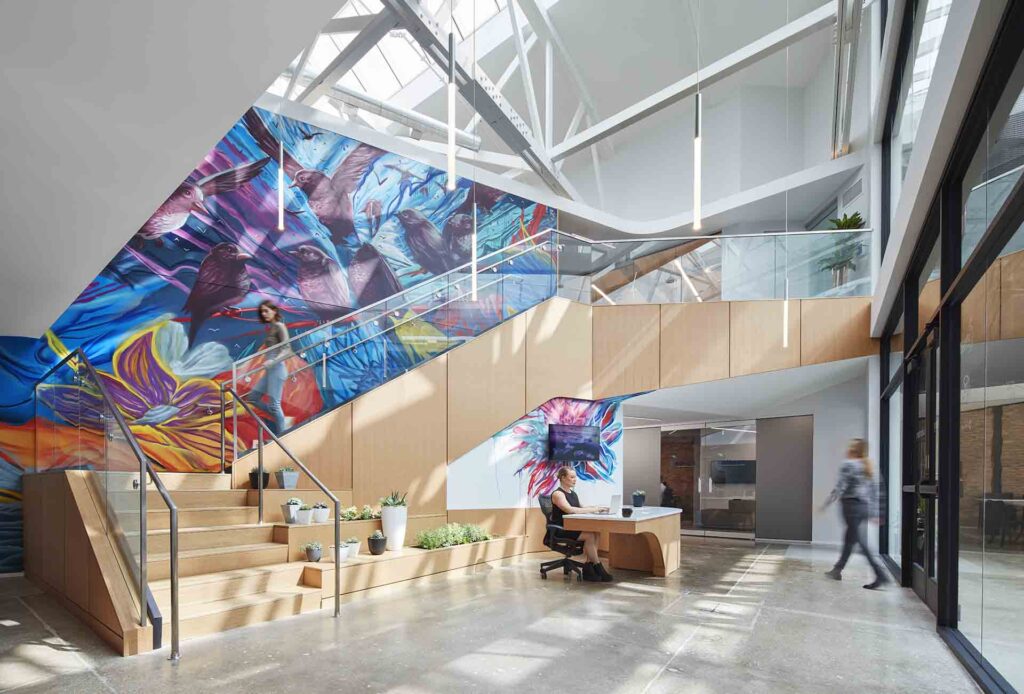
Another standout example of adaptive reuse architecture is the transformation of a century-old warehouse into a food and beverage coworking hub. Originally constructed in 1916, the building had served industrial uses before being converted into a collaborative workspace.
The design preserved the building’s structural framework, including its bow truss beams and masonry shell, while introducing modern features such as office spaces, meeting rooms, and a commercial kitchen. A new mezzanine level increased usable space, and a glass roof system introduced natural light throughout the interior.
This project illustrates how adaptive reuse architecture projects can blend historic character with contemporary design solutions. By maintaining the original structure while introducing modern amenities, the building gained a new purpose without losing its industrial identity.
As one of the most striking reuse examples, the project highlights how thoughtful design can transform underused industrial spaces into vibrant community resources.

Margie’s Candies Building
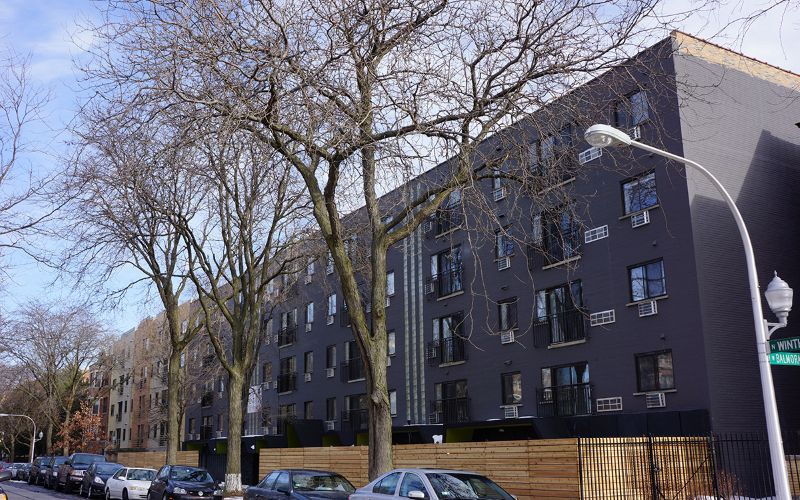
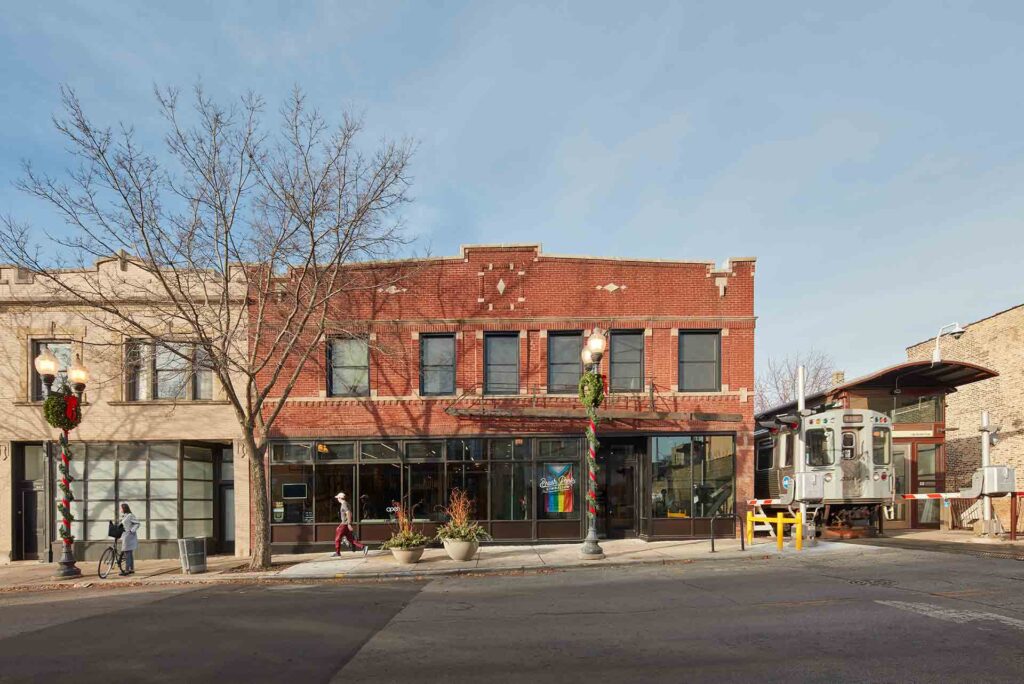
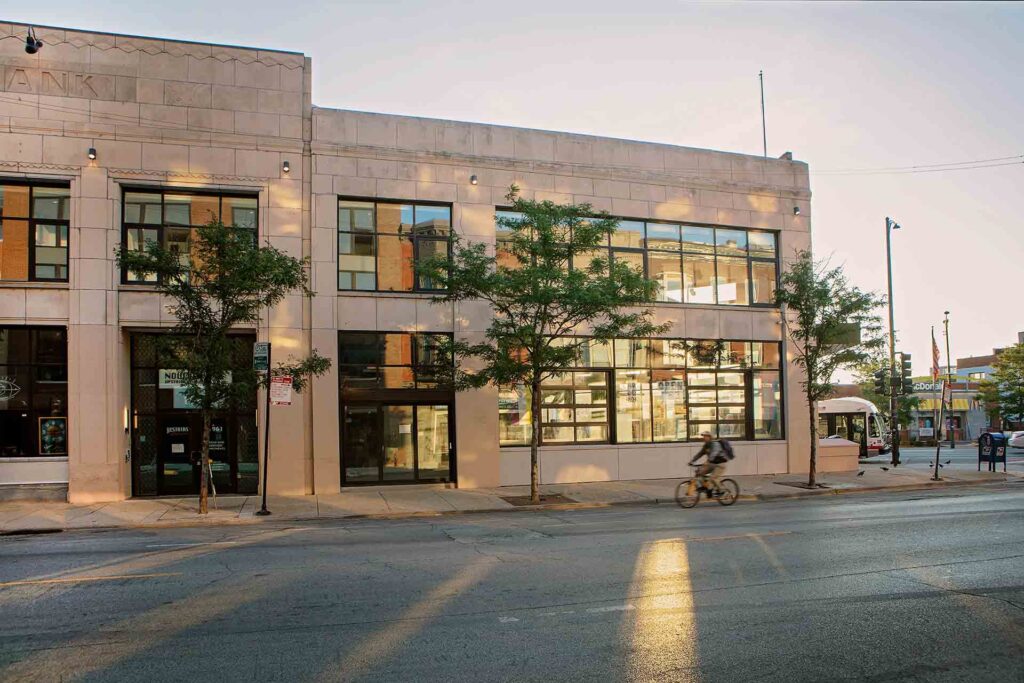
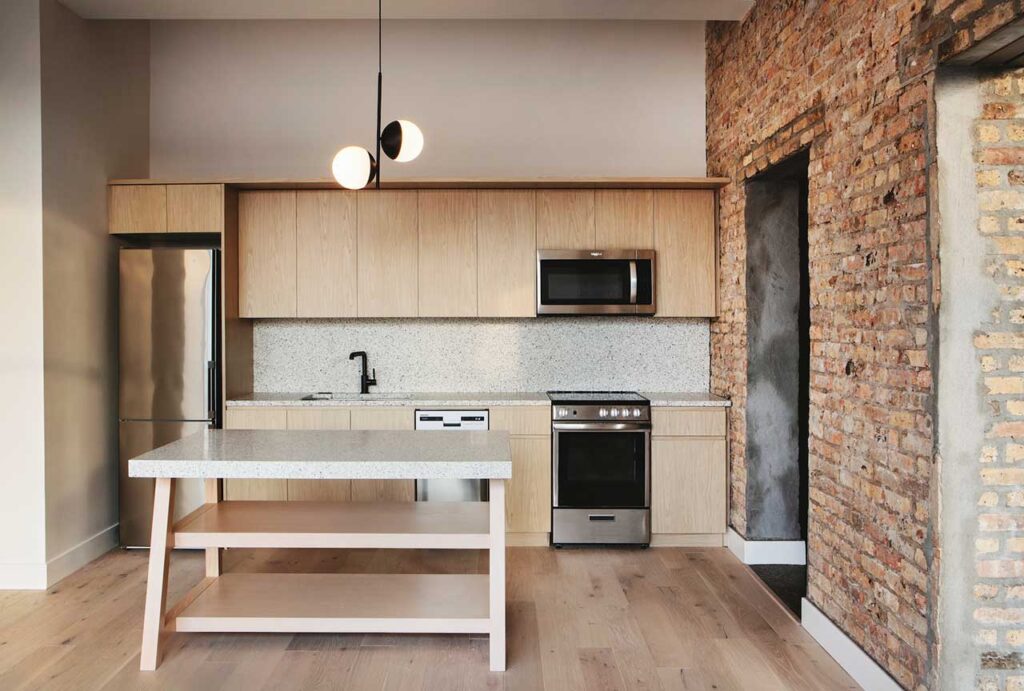
The renovation of the Margie’s Candies Building represents another powerful example of historic building reuse. The project involved converting a former bank building into a mixed-use residential development while preserving key architectural features.
We created twenty residential units within the existing structure while maintaining elements such as the historic facade and original bank vaults. The ground floor now contains retail spaces, bringing new activity and energy to the neighborhood.
This transformation demonstrates how adaptive reuse projects can revitalize aging buildings while preserving local history and increasing housing density at a time when more urban housing units are desperately needed. The project also shows how adaptive reuse architecture balances structural preservation with modern living requirements.
Through careful planning and creative design, the building now functions as a contemporary residential and commercial space while retaining its historical identity.
The Dill Pickle
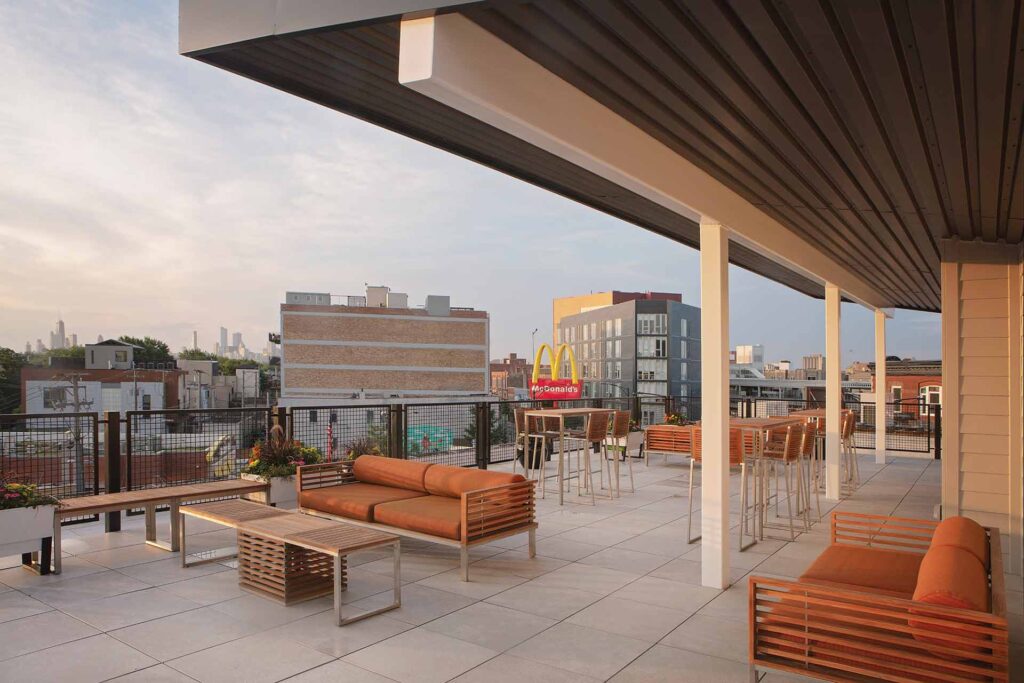
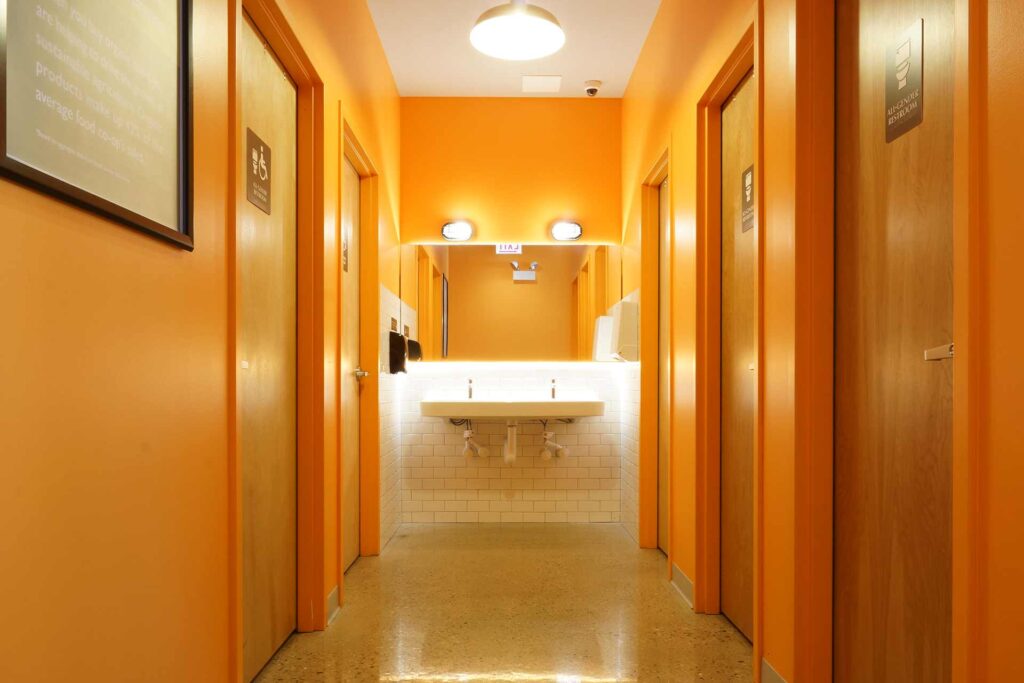
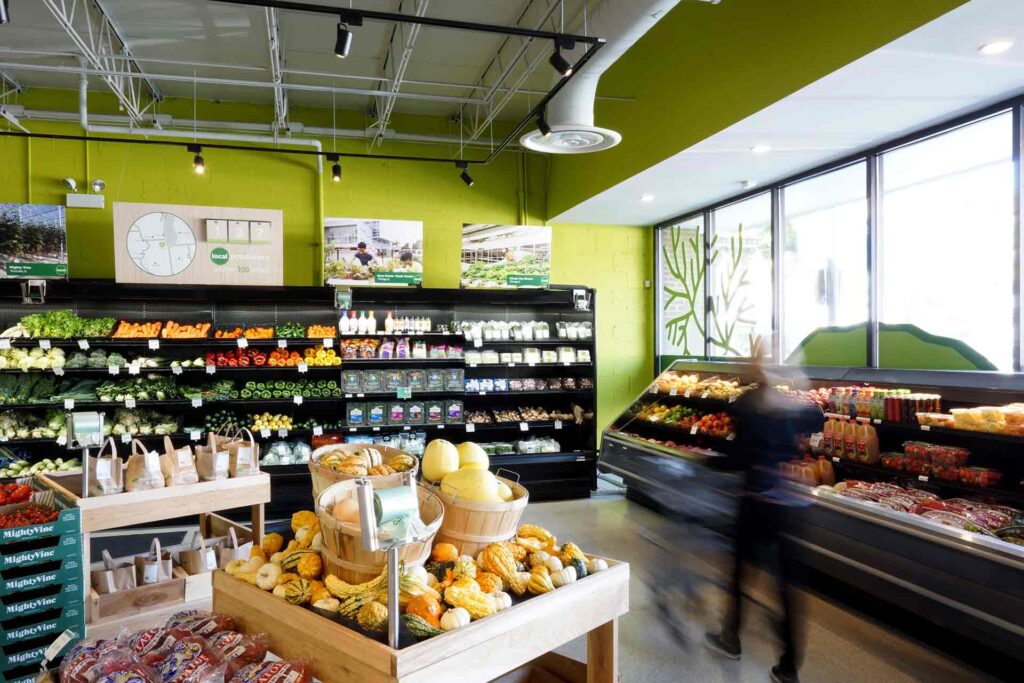
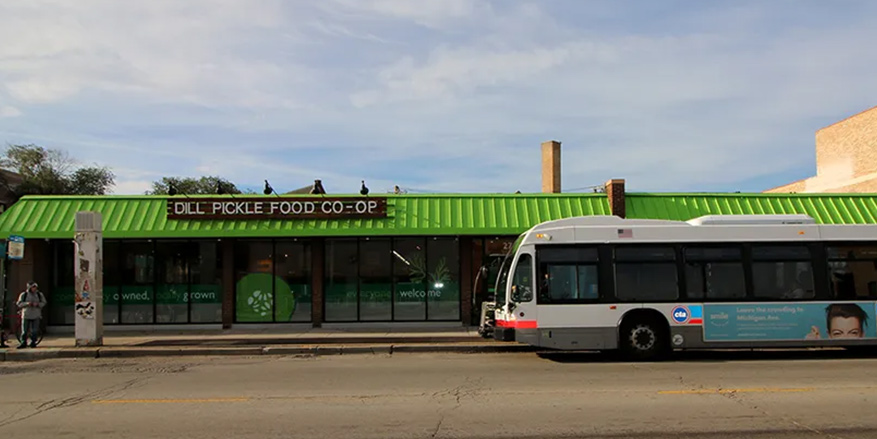
Another example within moss Design’s portfolio involves the revitalization of an existing commercial structure to support community-centered uses. Like many adaptive reuse architecture projects, the design focused on preserving the building’s character while improving functionality and accessibility.
The project demonstrates how adaptive reuse can support neighborhood engagement by transforming existing spaces into welcoming environments for public interaction. As with other reuse examples, the design reflects a commitment to sustainability, preservation, and community-driven development.
Together, these adaptive reuse projects illustrate the versatility of adaptive reuse architecture across different building types and program needs.
The Design Challenges Behind Adaptive Reuse
While adaptive reuse offers many benefits, it also presents unique design challenges. Existing buildings often come with structural limitations, outdated systems, and code compliance requirements that must be addressed during renovation.
Architects must carefully evaluate structural integrity, building materials, and spatial constraints before developing new designs. Integrating modern mechanical systems, improving accessibility, and meeting safety regulations can require creative problem-solving.
Despite these challenges, adaptive reuse architecture projects often produce highly rewarding results. By working within existing constraints, designers create solutions that are both innovative and contextually meaningful.
The Future of Adaptive Reuse Architecture
As cities continue to prioritize sustainability and preservation, adaptive reuse architecture will likely play an increasingly important role in urban development. The approach aligns with environmental goals, supports cultural preservation, and encourages creative design solutions.
Historic building reuse allows cities to evolve without losing their identity. Rather than erasing the past, adaptive reuse integrates historical elements into contemporary environments, creating layered spaces that reflect both tradition and progress. For architecture firms like ours, adaptive reuse architecture represents more than a design strategy; it is a philosophy that values history, sustainability, and innovation. By transforming existing structures into functional, modern spaces, adaptive reuse projects demonstrate how architecture can respond to changing needs while honoring the past.
As more designers and developers explore reuse examples across urban landscapes, adaptive reuse will continue to shape the future of architecture, giving old buildings new life and lasting relevance. If you’re interested in breathing new life into an old space, say hi!