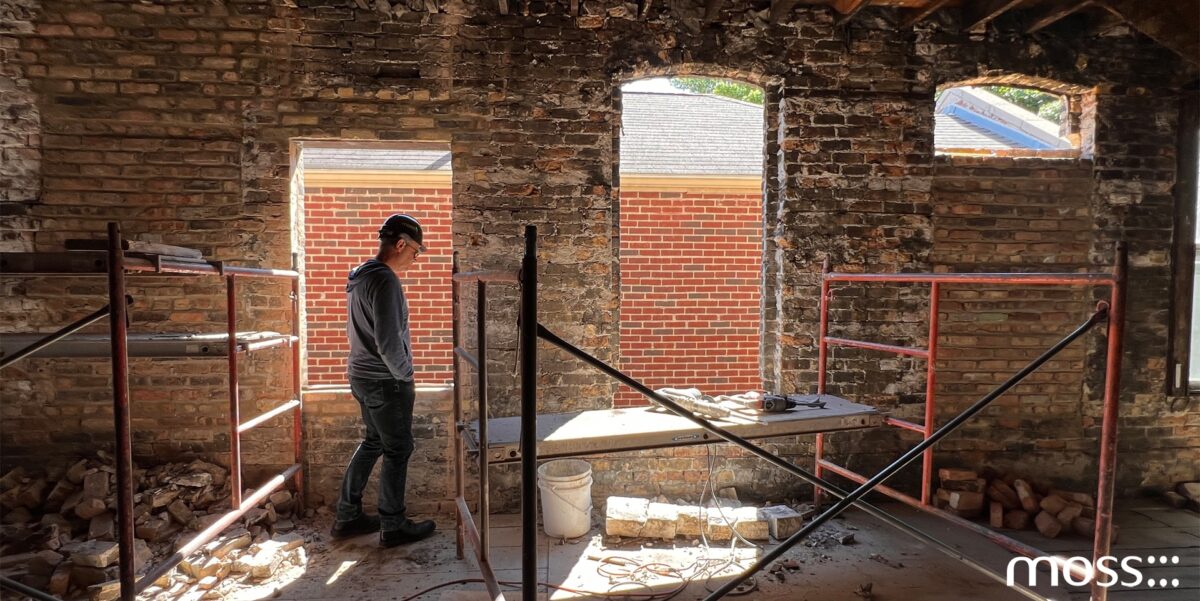
While a great house may go up quickly, the design behind it took months of careful study, intentional decision-making, and years of honing a clear point of view about how people actually use their space. What makes a home memorable isn’t just the finishes or square footage, but the vision behind the design. We may not remember how many bedrooms the famous Brady Bunch were sharing. But we remember how that iconic, midcentury home made us feel, and how it represented not just a fictional family, but a very real architectural era.
At moss Design in Chicago, our approach to architecture goes beyond surface aesthetics and delves into how a house feels, functions, and stands the test of time. In this piece, we’ll break down how expert architects think, and how that process translates into exceptional residential design.
What Separates Expert Architects From Basic Design
There’s a fundamental difference between design and architecture. Design often focuses on appearance or styling. Architecture is about decision-making and how a building functions and evolves over time.
Expert architects approach homes with a long-term mindset. They consider how materials age, how spaces adapt, how light moves through a home, and how a building responds to its environment years after construction is complete. This is where the influence of famous architects becomes evident. Their work consistently demonstrates that interesting architecture is rooted in clarity of thought, not visual excess. A single, well-resolved idea often drives the entire project.
In contrast, basic design tends to layer trends without a unifying logic. The result may look appealing initially, but it rarely holds up.
Thinking in Space, Not Just Rooms
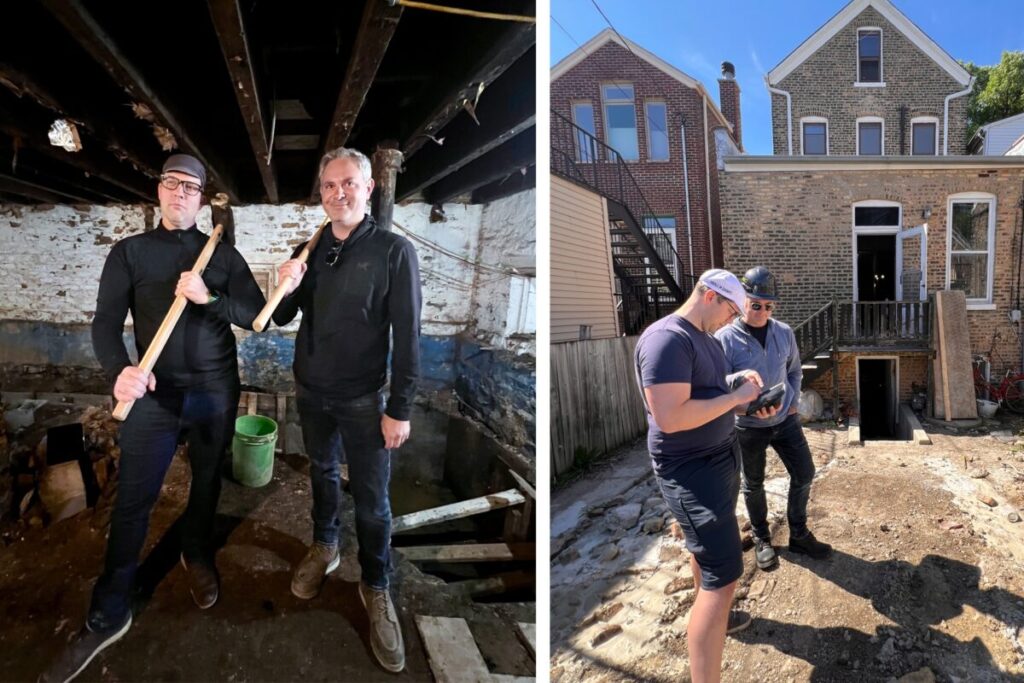
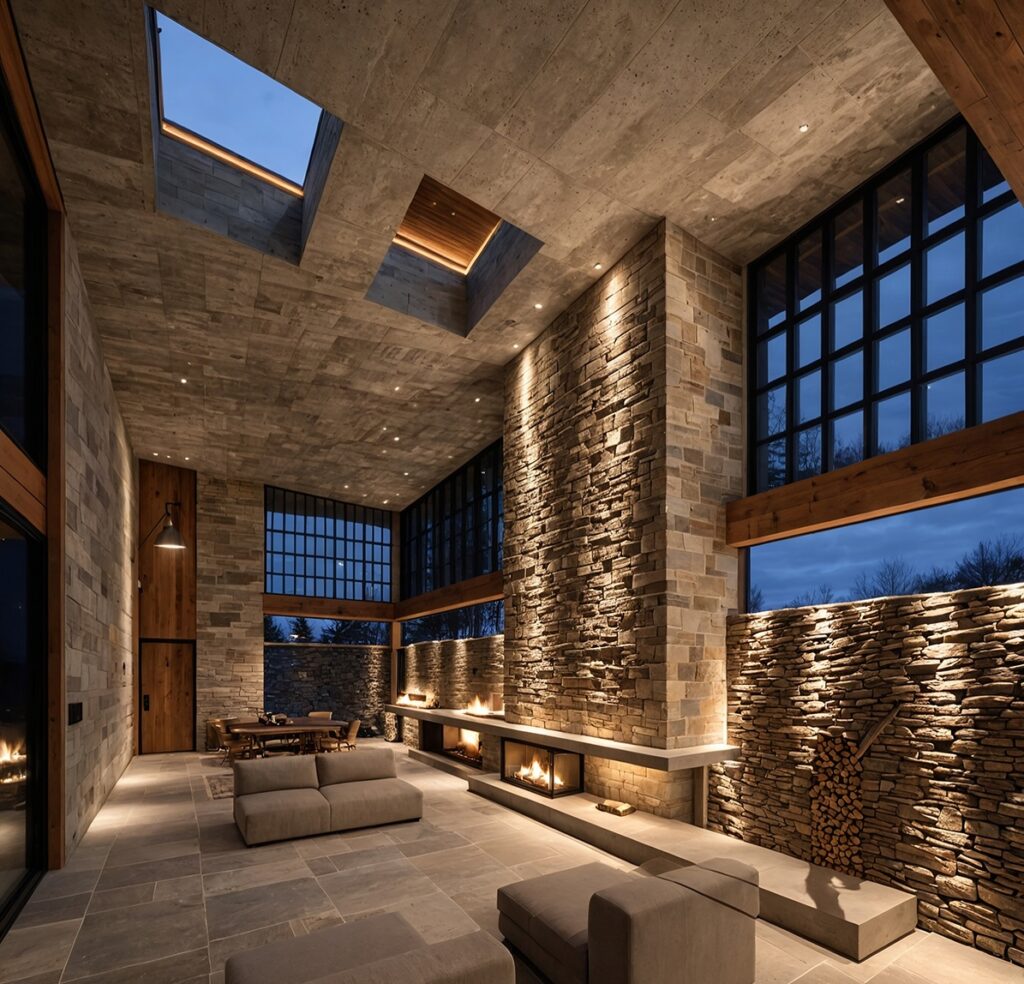
One of the most defining traits of expert architects is their ability to think in terms of the entire space, not just rooms. They design how you move through a home, how spaces connect, and how proportions feel as you transition from one area to another.
A classic example is Frank Lloyd Wright’s Fallingwater. Laid out as a series of unique experiences, this home was carefully designed around the choreography of living, the expansive views, and the structure.
This kind of approach directly influences modern residential design. Kitchens aren’t isolated anymore, but connected to circulation paths. Living spaces aren’t static; they expand and contract based on how people gather. Bedrooms are positioned for privacy and peace.
This is what elevates interesting architecture into something experiential. It’s also what distinguishes the best architecture from layouts that simply check boxes.
Light as a Design Material
To expert architects, light isn’t just a natural phenomenon, but also a building material.
They consider how sunlight enters a home throughout the day, how it changes across seasons, and how it interacts with surfaces. Orientation, window placement, skylights, and openings are all carefully studied.
Take the epitome of interesting architecture, the Barcelona Pavilion by Ludwig Mies van der Rohe. The structure uses light to define space, reflect materials, and create a sense of calm continuity.
In residential work, this translates into homes that feel brighter, more open, and more comfortable. Rather than simply adding windows, the best architecture is designed around daylight.
Simplicity and Restraint in the Best Architecture
One of the hardest skills in architecture is knowing what not to do.
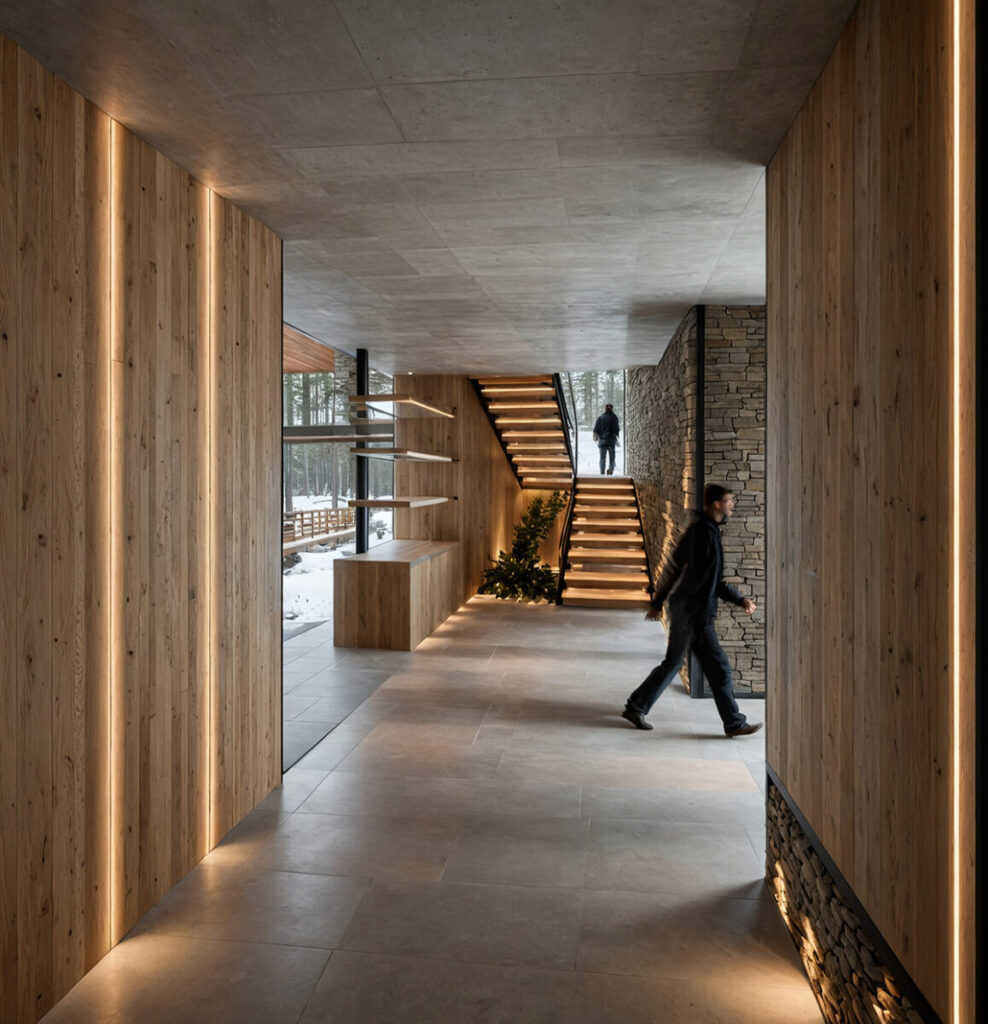
The best architecture often follows a “less but better” philosophy. Instead of layering features, expert architects refine and simplify. Every element serves a purpose.
The work of Tadao Ando exemplifies this. His buildings rely on minimal forms, precise geometry, and controlled light to create powerful spatial experiences.
This restraint leads to interesting architecture that feels timeless rather than trendy. While trend-driven design can quickly feel dated, simplicity grounded in strong architectural ideas endures.
Material Selection With Purpose
Selecting the right materials for a project is one of the most important aspects of curating the right feel and finish of a home. The best architects choose materials based on longevity, performance in their local climate, sustainability, and sensorial qualities such as textures, temperature, and acoustics.
Famous architects, such as Peter Zumthor, are known for their deeply considered use of materials. Zumthor’s projects emphasize how surfaces age, respond to light and engage the senses.
In Chicago, where the weather can be extreme in both directions, this level of attention to building materials is very important. Homes must withstand temperature swings, moisture, and seasonal changes. Material decisions directly affect durability and maintenance.
Designing for Real Life (Not Just Photos)
There’s a growing gap between spaces designed for everyday life and spaces designed for the Instagram story highlight reel. Somewhere along the way, “photogenic” started outranking “comfortable,” and now half the internet is sitting on sculptural stone benches, wondering where to put their coffee.
Expert architects design for real living:
- Kitchens that support actual cooking and movement
- Storage that reduces clutter
- Circulation that prevents bottlenecks
- Private areas that feel separate and quiet
At moss Design, this is where architectural thinking becomes tangible. What determines interesting architecture isn’t driven by trends or social media, but by how people actually live.


The Architecture Design Process (How Decisions Are Made)
Behind every well-designed home is a structured architectural design process. This process ensures that decisions are intentional, coordinated, and aligned with a clear vision.
The typical phases include:
- Site analysis
- Concept design
- Schematic design
- Design development
- Construction documentation
- Construction administration
The architecture design process is where the most important decisions happen early, before construction begins. Layout, structure, orientation, and systems are all defined at this stage. This is why experienced architects emphasize early involvement. Once construction starts, changes become more expensive and limited. Understanding the architecture design process helps homeowners see how ideas translate to reality.
Why Working With the Right Architect Matters
Choosing an architect isn’t just about credentials or selecting the first offering that shows up when you Google “residential architects near me.” It’s about alignment.
The right architect brings:
- Innovation and design expertise
- A clear design philosophy
- Strong decision-making skills
- Problem-solving skills
- The ability to guide complex trade-offs
- A well rounded design team
Architect-led projects tend to have more cohesive outcomes than contractor-led ones because decisions are driven by a unified vision rather than piecemeal problem-solving.
For homeowners evaluating options and searching for “residential architects near me,” this distinction is key to keep in mind.
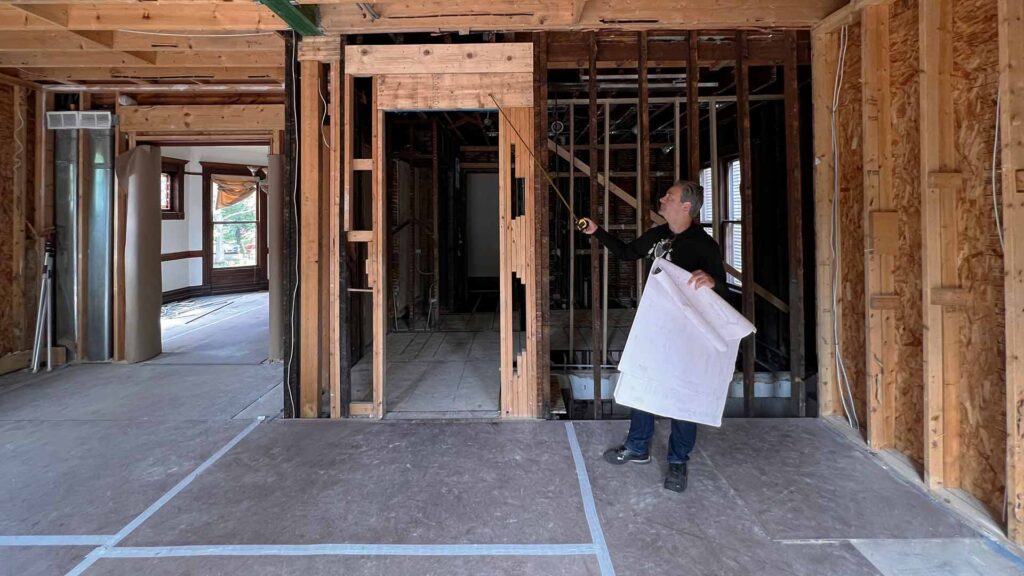
At moss Design, our team maintains focus on creating homes that are thoughtful, functional, and enduring. That’s the difference between assembling a house and designing one.
What Makes Architecture Exceptional
Exceptional homes are defined by their palpable intention, clarity of function, and long-term vision. They don’t rely on excess or current trends. They focus on strong ideas executed well.
Across the work of famous architects, one throughline is clear: great architecture isn’t improvised. It’s carefully designed, refined, and resolved. That’s what makes interesting architecture meaningful, and what ultimately defines the best architecture in residential design. If you’ve been dreaming of your next home, contact us today.

FAQs
What makes famous architects different from other designers?
Famous architects focus on spatial thinking, light, and long-term function, not just aesthetics. Their work reflects a consistent design philosophy applied across projects, which is why their buildings are often considered interesting architecture.
What is the architecture design process for a custom home?
The architecture design process typically includes concept design, schematic design, design development, construction documentation and construction adminstration. Early decisions around layout, light, and structure have the greatest impact on the final outcome.
Why is natural light so important in residential architecture?
Natural light affects mood, comfort, and energy efficiency. Expert architects design homes around daylight patterns, not just window placement, making light a central part of interesting architecture.
How do architects balance beauty and functionality in home design?
They integrate both from the beginning. Spaces are designed to look cohesive while supporting daily routines, ensuring that the best architecture is both visually compelling and highly functional.
When should I hire a residential architect near me?
You should engage your list of “residential architects near me” early, before layouts or construction decisions are finalized. Early involvement leads to better outcomes and reduces costly changes later.