Nature has spent millions of years refining systems that adapt, conserve energy, regulate temperature, and support life efficiently.
Today, architects and designers are looking to those systems for inspiration, creating spaces that are smarter, more resilient, and more connected to their environments through biomimetic architecture.
In this blog, you’ll learn the answer to “what is biomimicry,” how biomimetic thinking influences modern architecture, and why nature-inspired architecture is shaping the future of sustainable design.
What Is Biomimicry in Architecture?
Biomimicry in architecture is the practice of studying natural systems and applying their principles to the built environment to improve performance, efficiency, and human experience.
Structures in nature are not random. They evolve with purpose, often to create balance, resilience, and conditions that support life in efficient and adaptable ways through their inherent, sustainable design.
This architecture is inspired by natural systems, including:
- Termite mounds: Helping inform passive cooling and natural ventilation systems that regulate indoor temperatures with less energy use
- Honeycombs: Influencing lightweight structural systems that maximize strength while reducing material use
- Tree branches and root systems: Providing models for structural frameworks that distribute weight efficiently across large buildings and open spaces
- Lotus leaves: Having led to the development of self-cleaning exterior materials and water-repellent building surfaces that reduce maintenance needs
- Bird bones: Demonstrating how lightweight yet durable construction systems can improve structural efficiency
- Pinecones: Shaping responsive facades and shading systems that adapt naturally to sunlight, humidity, or temperature changes

Understanding the Meaning of Biomimetic Design
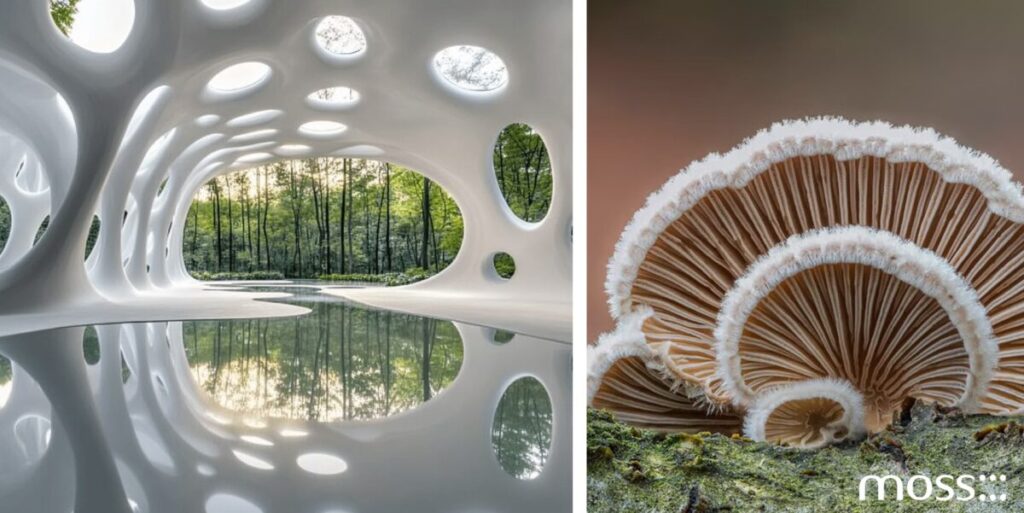
A biomimetic approach goes beyond copying the appearance of nature and instead focuses on how natural systems function.
There are fundamental differences between architecture being “inspired by nature” and true biomimicry.
Inspiration focuses on visual resemblance or form, while true biomimicry focuses on how natural systems function and applies those underlying principles to solve real design challenges.
When we ask, “What is biomimicry?” we can simply look around us. Tree branches and root systems are common natural models used in biomimicry. Each part plays a specific role in a connected system that moves air, water, nutrients, and energy through the organism in a highly efficient way. This network supports the tree’s own growth while also shaping and stabilizing the surrounding environment. Every element depends on the others, working together as an integrated system rather than isolated parts.
Why Architects Look to Nature for Inspiration
Natural systems offer time-tested strategies that help buildings become more adaptable and resource-conscious. They are also highly resilient, offering clear lessons on how to design the spaces we occupy in ways that prioritize efficiency, sustainability, and long-term strength.
The structures we find naturally occurring around us can teach us about:
- Energy efficiency
- Passive heating and cooling
- Water management
- Durability and resilience
- Human wellness and biophilic connections
- The growing demand for sustainable design solutions
How Nature-Inspired Architecture Shapes Modern Buildings
Nature-inspired architecture influences everything from building form and ventilation to materials and daylighting strategies. It combines modern building technology with principles observed in nature to create resilient, efficient, and comfortable structures that enhance daily life while reflecting the intelligence of natural systems.
Passive Cooling and Ventilation Systems
Natural systems demonstrate that effective climate control does not always require complex technology. In architecture, passive cooling strategies such as cross ventilation, thermal chimneys, and carefully planned air pathways can improve comfort while reducing energy consumption. By working with natural airflow rather than against it, buildings can maintain healthier indoor environments and operate more efficiently year-round.
Structural Forms Inspired by Natural Geometry
Nature often achieves remarkable strength with minimal material, making it a valuable source of inspiration for architectural structures. Honeycomb patterns demonstrate how lightweight forms can maintain exceptional durability, while shells and other curved geometries distribute loads efficiently across a surface. Tree branches and root systems also provide models for managing structural forces through interconnected networks. By applying these principles, architects can create buildings that use materials more efficiently while achieving forms that feel both functional and organically connected to their environment.
Water Collection and Environmental Response
Some buildings take cues from natural ecosystems that efficiently manage water and respond to changing environmental conditions. Rainwater harvesting systems capture and reuse precipitation, reducing demand on external water sources. Responsive facades and adaptive building envelopes adjust to sunlight, temperature, or humidity to improve comfort and performance throughout the day. These strategies reflect a broader approach to climate-responsive architecture, where buildings actively respond to their surroundings. The result supports more thoughtful environmental stewardship and long-term resource efficiency.
Real-World Examples of Biomimetic Architecture
Around the world, architects are exploring biomimicry through innovative projects that show how nature-inspired architecture can improve performance and user experience while supporting sustainable design principles.
Eastgate Centre – Harare, Zimbabwe
The Eastgate Centre is one of the most widely recognized examples of a cooling design inspired by termite mounds. This early example of large-scale biomimicry offers natural ventilation, reducing energy needs and lowering operating costs.
The Eden Project – Cornwall, England
The Eden Project uses lightweight, nature-inspired structures to create climate-controlled environments. These geodesic biome structures (spherical or semi-spherical forms made from a network of triangles) are integrated into the surrounding landscape to efficiently regulate climate conditions. The result is a comfortable, responsive interior environment that supports both people and plant life. It’s a strong example of efficient material use in architecture and also serves as a space for environmental education centered on sustainability.
Contemporary Residential Applications
Looking at our organic world can inspire ideas and shape residential architecture and interior design by improving comfort, efficiency, and connection to nature. Passive solar strategies, natural material palettes, and indoor-outdoor integration work together to create homes that respond to their environment. Thoughtful daylighting also enhances natural light and supports more wellness-centered living spaces.
The Relationship Between Biomimicry and Sustainable Design
Biomimicry and sustainable design often work together to shape how architects approach the built environment. By studying natural systems, designers can develop strategies that reduce resource use and improve long-term performance. This connection between nature and design helps create buildings that are more efficient, adaptable, and responsive to their surroundings.

Designing for Efficiency and Longevity
Nature rarely wastes resources, and today’s architecture follows the same principle. By focusing on resource efficiency, reduced operational energy use, and long-lasting materials, designers can create buildings that perform well over time with less strain on their environment. Flexible and adaptable spaces also allow structures to evolve with changing needs, helping reduce environmental impact while supporting long-term sustainability.
Creating Healthier Human Experiences
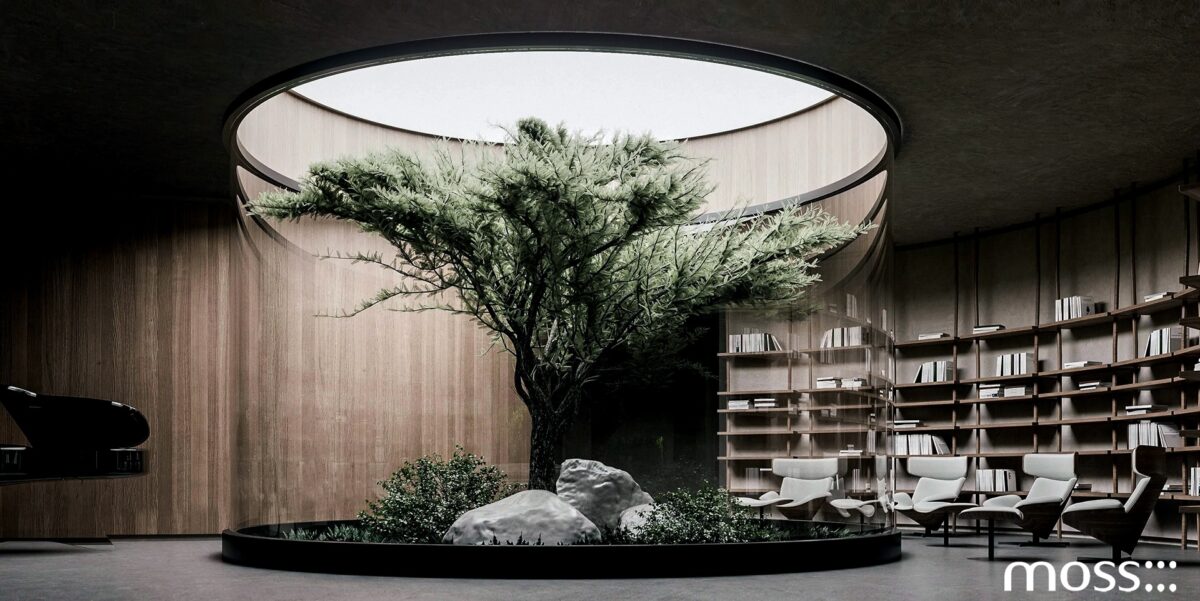
Buildings inspired by nature can also support emotional well-being and comfort. Natural light, air quality, and organic textures and materials can help create strong connections to the outdoor environment. The psychological benefits of nature-inspired spaces can work to lift mood, reduce stress, soothe spirits, and inspire creativity.
Biomimicry in Practice: Current Projects by moss
At moss, we bring nature-inspired thinking into real projects that shape how people live, work, and gather. These current examples of sustainable architecture show how design principles can be applied in practical, buildable ways across residential, commercial, and adaptive reuse work.
Lakeview Area Master Plan
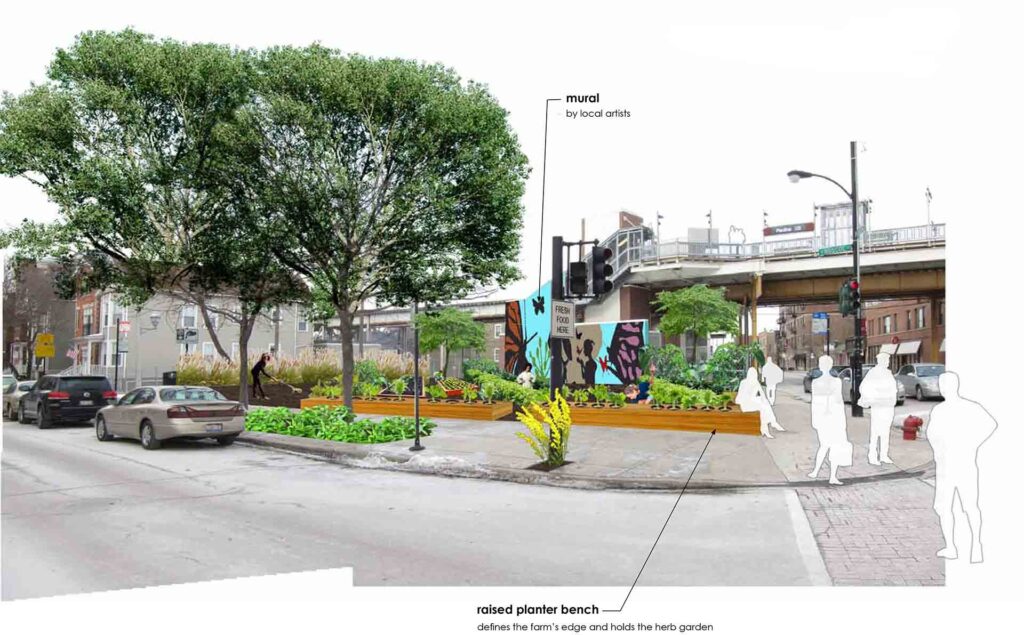
Our Lakeview Area Master Plan (LAMP) focuses on rethinking underutilized urban space to strengthen connectivity, livability, and long-term community value through thoughtful, nature-responsive planning. Similarly, the Lowline project explores how unused underground space can be transformed into a vibrant, light-filled public environment, showing how adaptive reuse and innovative design can reshape overlooked areas into meaningful, human-centered places.
Chicago River Kayak Park
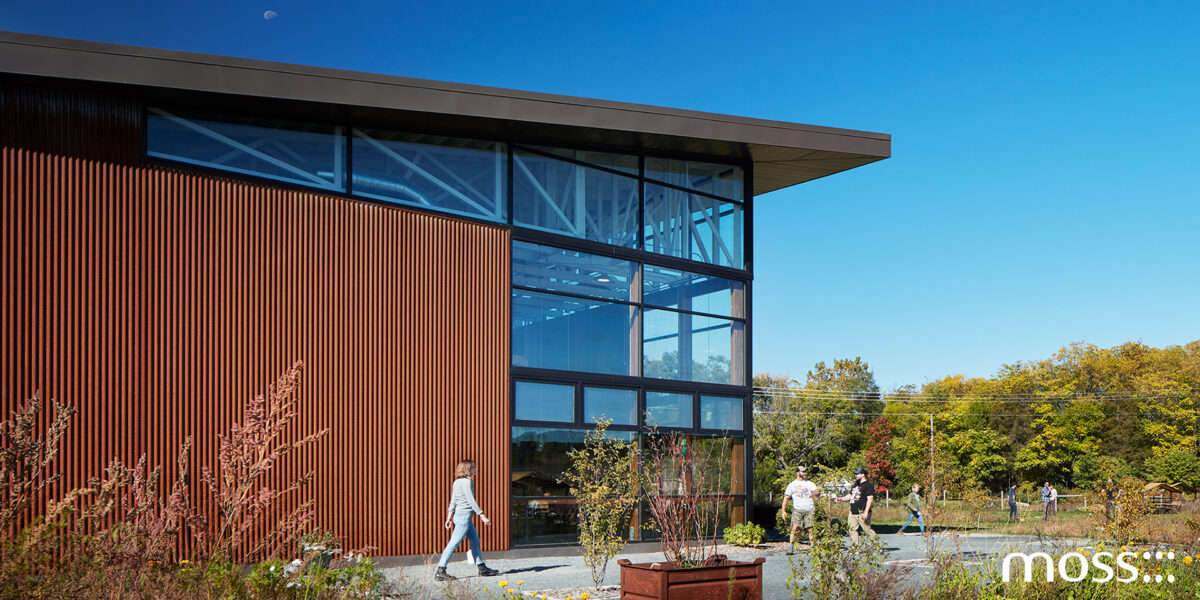
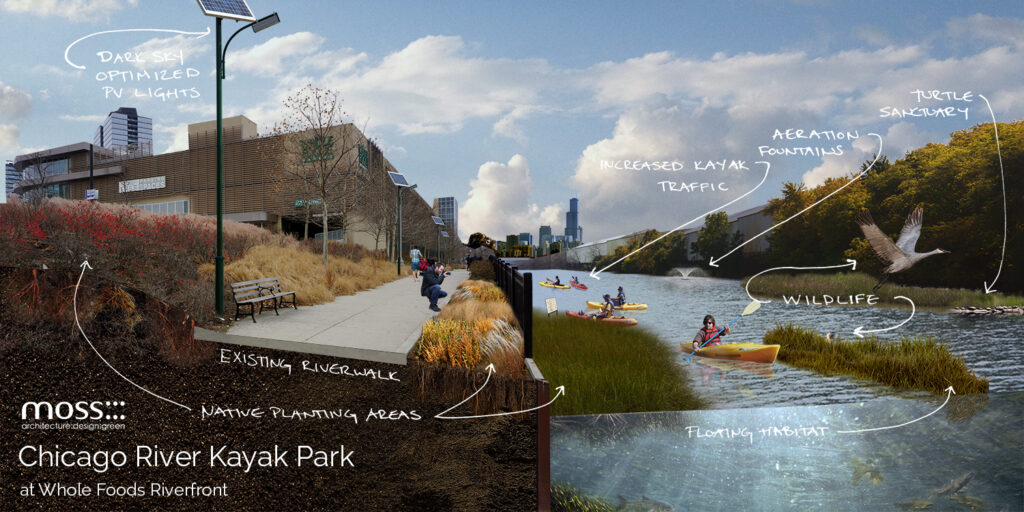
The Chicago River Kayak Park project transforms a stretch of the Chicago River into an accessible public recreation space, enhancing the relationship between people and water. It demonstrates how architecture inspired by nature helps improve ecological access, encourages human interaction with natural systems, and activates a previously overlooked urban edge.
Residential Adaptive Reuse / Interior Renovation Work (moss Studio Projects)
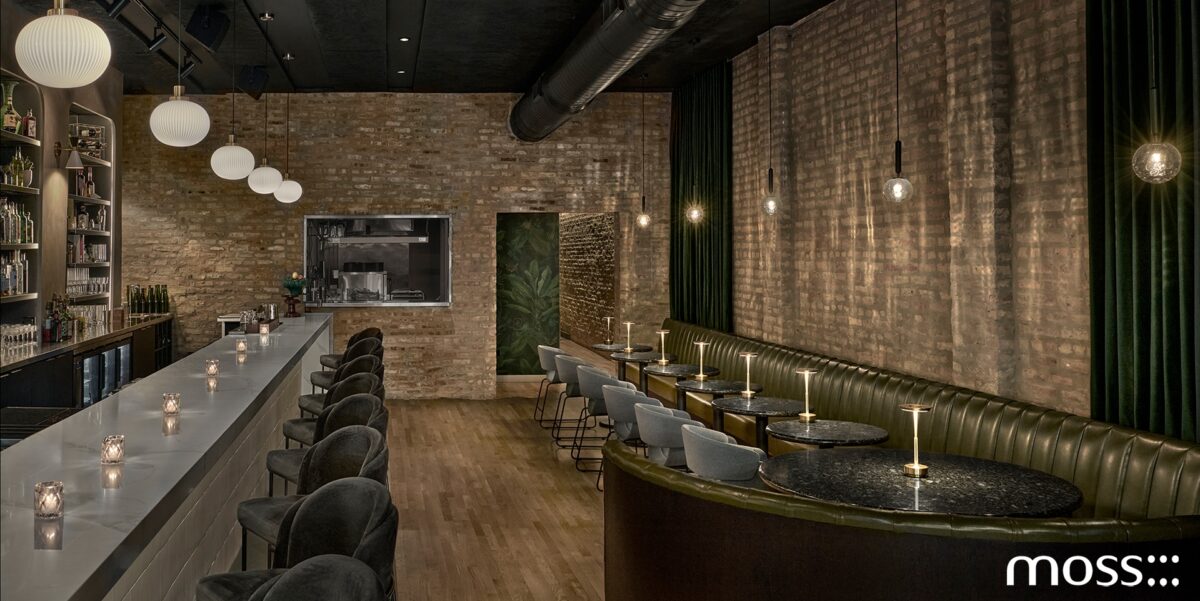
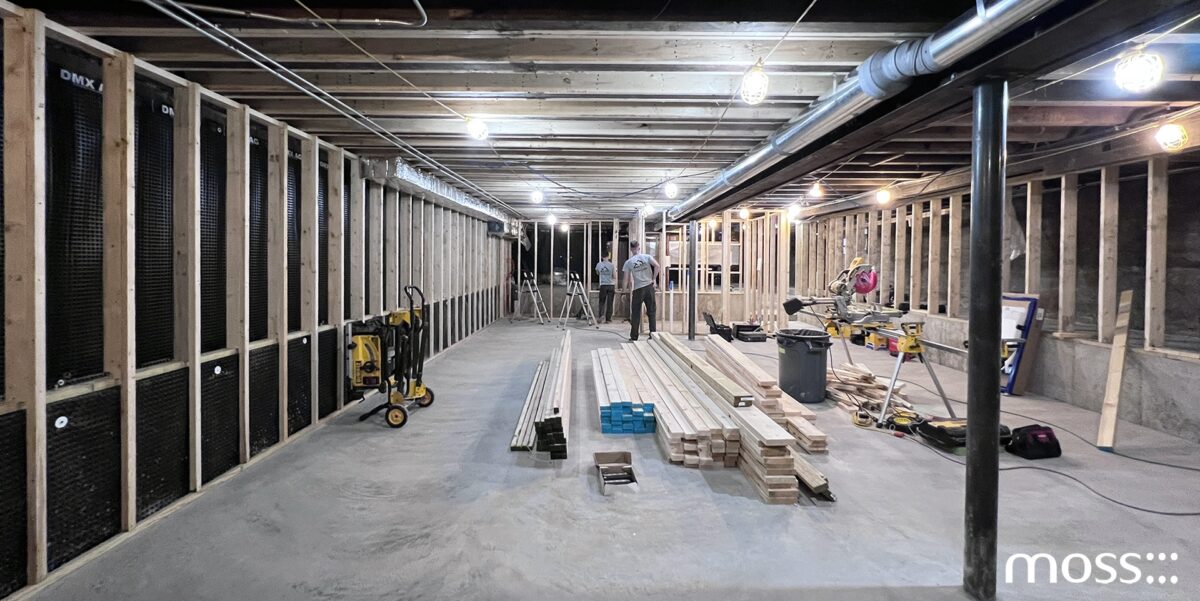
moss Design’s residential projects often focus on transforming existing structures into modern, highly livable spaces that prioritize light, material honesty, and spatial flow. These projects align well with biomimicry because they rethink how interiors function as systems by maximizing daylight, improving circulation, and using materials more intentionally and resource-consciously. They’re a strong example of nature-inspired architecture at a human scale, where comfort, efficiency, and long-term adaptability all come together.
Challenges and Considerations in Biomimetic Architecture
While biomimetic architecture offers exciting opportunities, implementing these strategies requires thoughtful planning and collaboration to create environmentally responsible buildings.
Balancing Innovation with Practicality
Not every nature-inspired idea translates directly into construction without adaptation. Natural materials can be more costly than mass-produced alternatives, which makes budget planning an important part of the process. Availability can also be limited depending on climate and location, which may restrict how certain materials are used. Because of these factors, feasibility becomes a key consideration in construction, making it essential to work with experienced architects and builders who can balance design intent with practical execution.
Why Collaboration Matters
Successful and sustainable projects that use architecture inspired by nature often rely on interdisciplinary collaboration. Architects work closely with engineers and fabricators to bring ideas from concept to construction while balancing aesthetics with functionality. This shared expertise supports an integrated design-build approach that strengthens both execution and long-term performance planning.
Designing Spaces That Learn from Nature
As architecture continues to evolve, biomimicry offers a path toward buildings that are more resilient, adaptable, and connected to their environments. Whether applied through passive systems, natural materials, or climate-responsive design, nature-inspired approaches encourage a more intentional approach to the built environment.
At moss, we believe thoughtful, nature-inspired architecture starts with a deep understanding of context, naturally occurring design, and the relationship between people and place. As an architect-led studio with expertise in sustainability, we approach every project with both creativity and technical precision.
If you’re planning a residential, commercial, or adaptive reuse project, our team can help you shape a space that balances modern design, craftsmanship, and lasting performance. Reach out to schedule a consultation and explore how we can bring your vision to life.
Frequently Asked Questions About Biomimicry in Architecture
What is biomimicry in architecture?
Biomimicry in architecture is the practice of learning from natural systems and applying those strategies to create better buildings. When people ask, “What is biomimicry?” the answer is simple: it means studying how natural systems work and applying those lessons to design. Architects look at things like how plants manage water, how animals regulate temperature, and how natural structures stay strong.
How does biomimetic design help create sustainable buildings?
Biomimetic design helps architects create buildings that use resources more efficiently. By studying natural systems, designers can develop strategies for better airflow, energy use, water management, and material choices. These ideas support sustainable design by helping buildings work with their environments instead of against them.
What are some examples of architecture inspired by nature?
There are many examples of architecture inspired by nature around the world. Buildings may use designs based on termite mounds for natural cooling, honeycombs for lightweight structures, or tree systems for efficient support. These nature-inspired architecture strategies show how natural solutions can improve comfort, performance, and sustainability.
Is biomimicry the same as using natural materials?
Not exactly. Biomimicry is about understanding how nature works, not simply using natural materials. A building can use biomimetic ideas by copying natural systems, such as passive ventilation or responsive shading, even if the materials themselves are modern. The goal is to apply nature’s principles to solve design challenges.
Why are architects using biomimicry in modern design?
Architects use biomimicry because nature offers proven solutions for creating spaces that are efficient, adaptable, and resilient. As the need for sustainable design continues to grow, biomimetic strategies help create buildings that respond better to the climate, support human comfort, and connect people with the natural world.